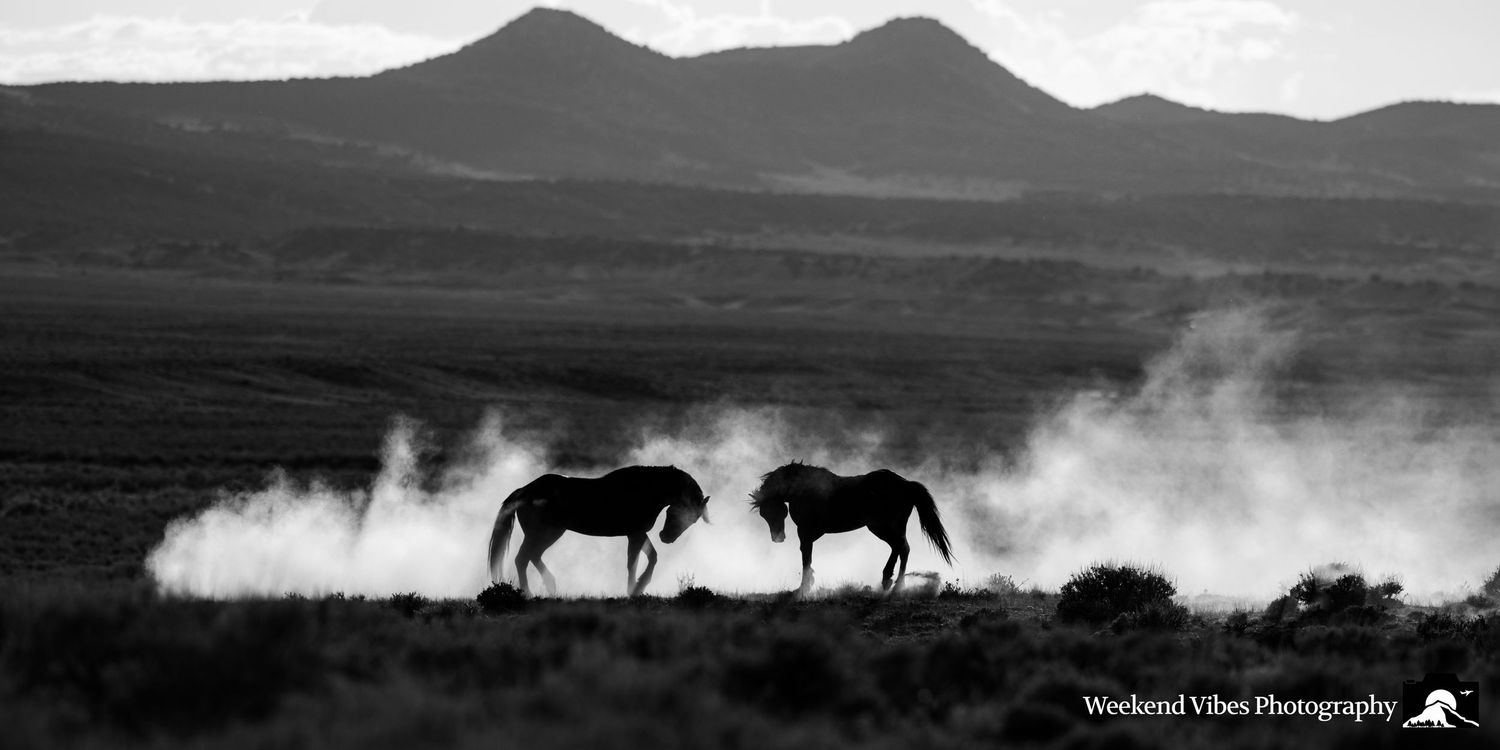
We’re often asked about the gear we use for wild horse photography or whether we would host photography seminars. We are self-taught and still learning, so while we haven't considered hosting anything, we thought a blog post could be helpful to those who are interested! This post dives into the essentials, so please bear with us—it’s a long one!
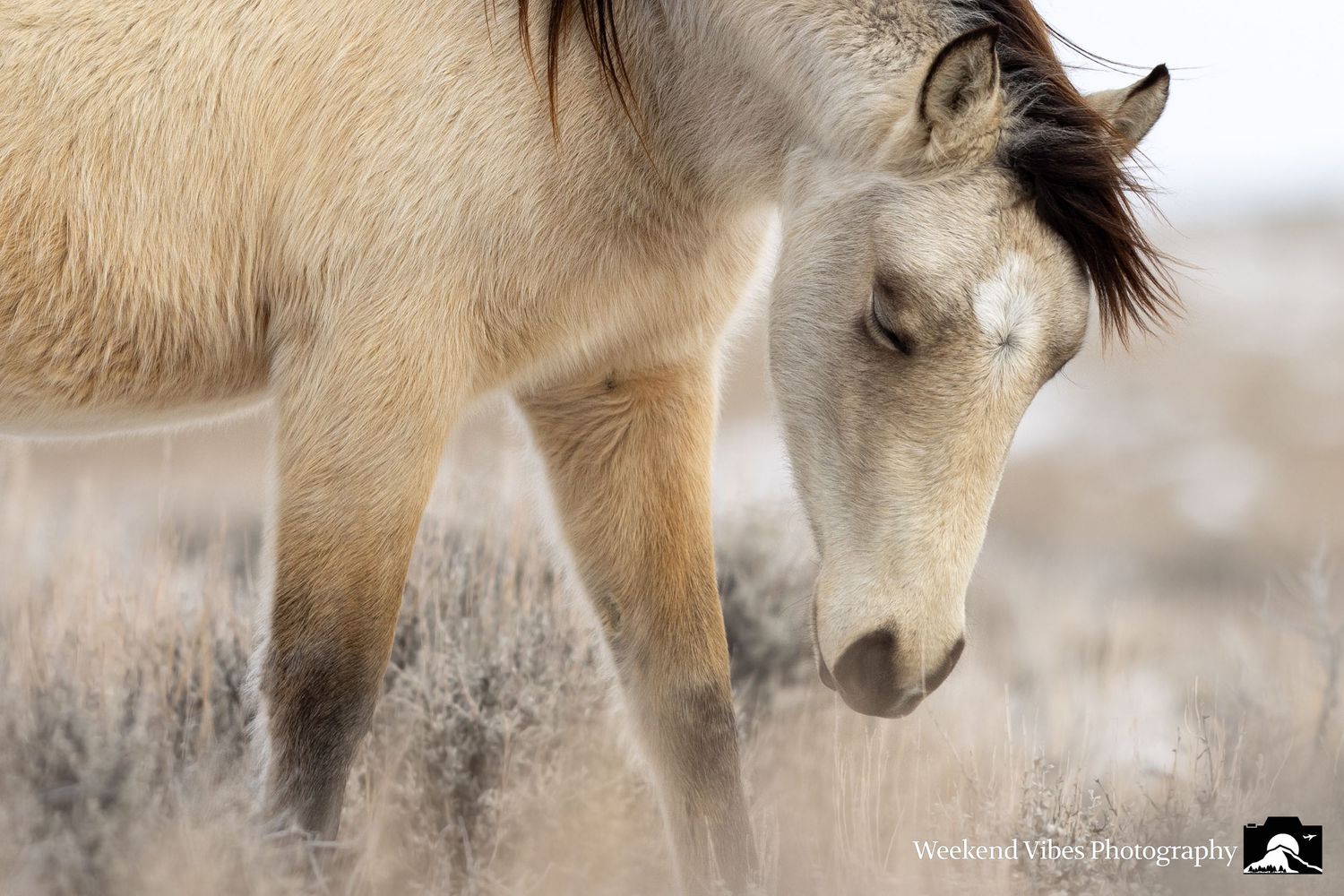
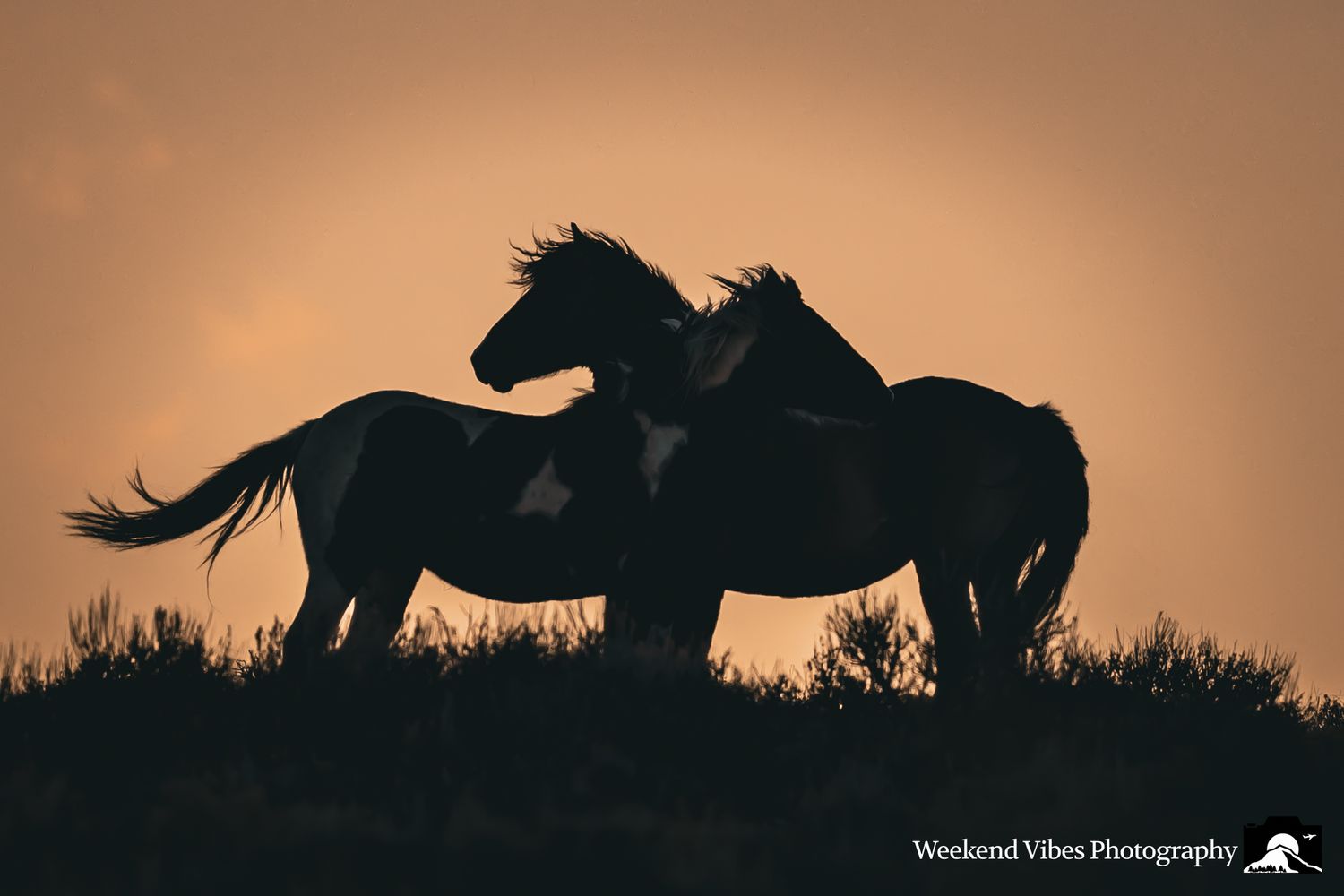
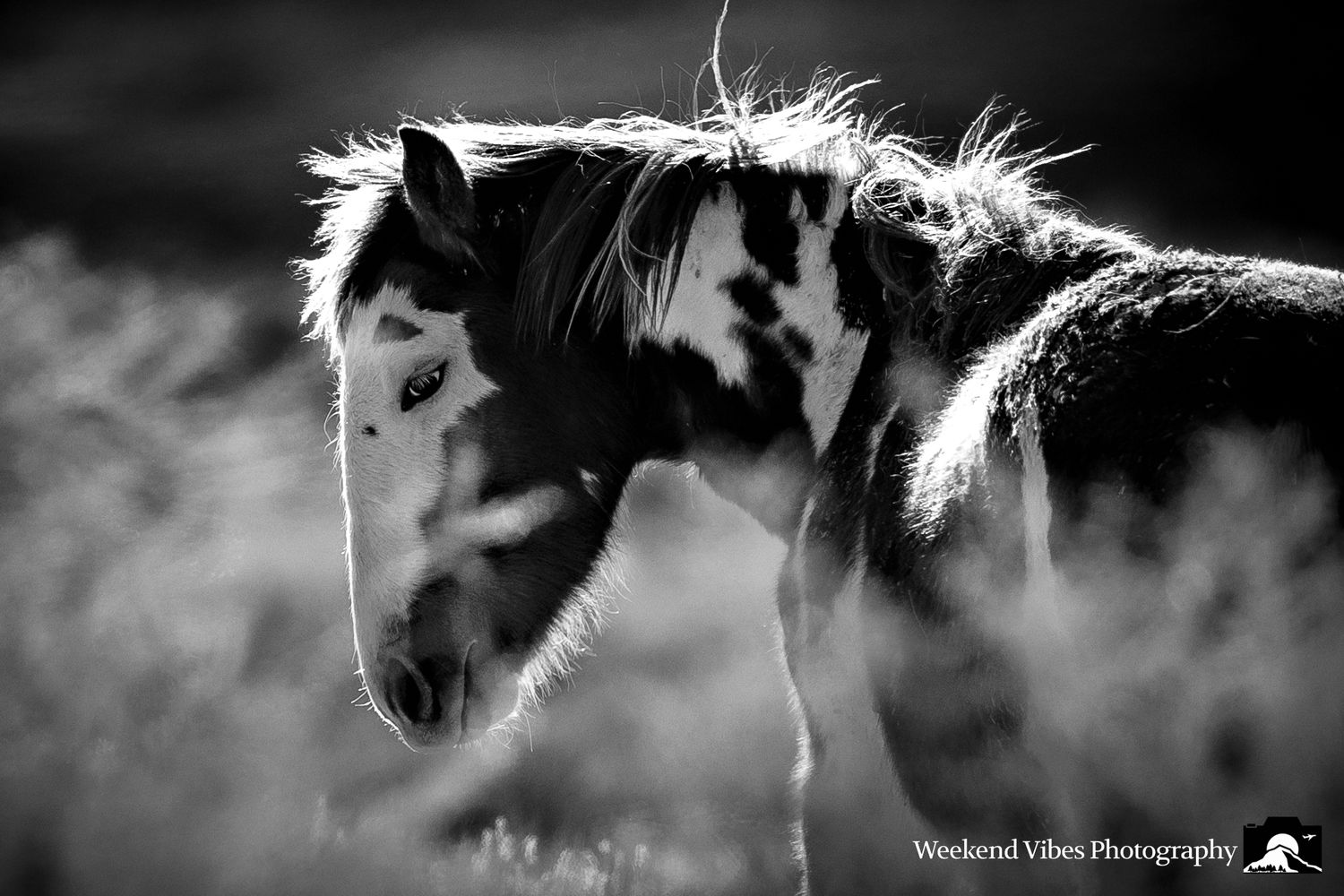
Wild horses are an unparalleled subject, capturing the heart like no other. Our passion lies in northwestern Colorado’s Sand Wash Basin, a Herd Management Area (HMA) overseen by the Bureau of Land Management (BLM). Located about a 4.5- to 5-hour drive from Denver, this 157,700-acre expanse of hills, sagebrush, and rugged terrain demands preparation. Plan for a weekend trip or an overnight stay in a nearby town like Maybell or Craig, Colorado.
Preparation for Sand Wash Basin:
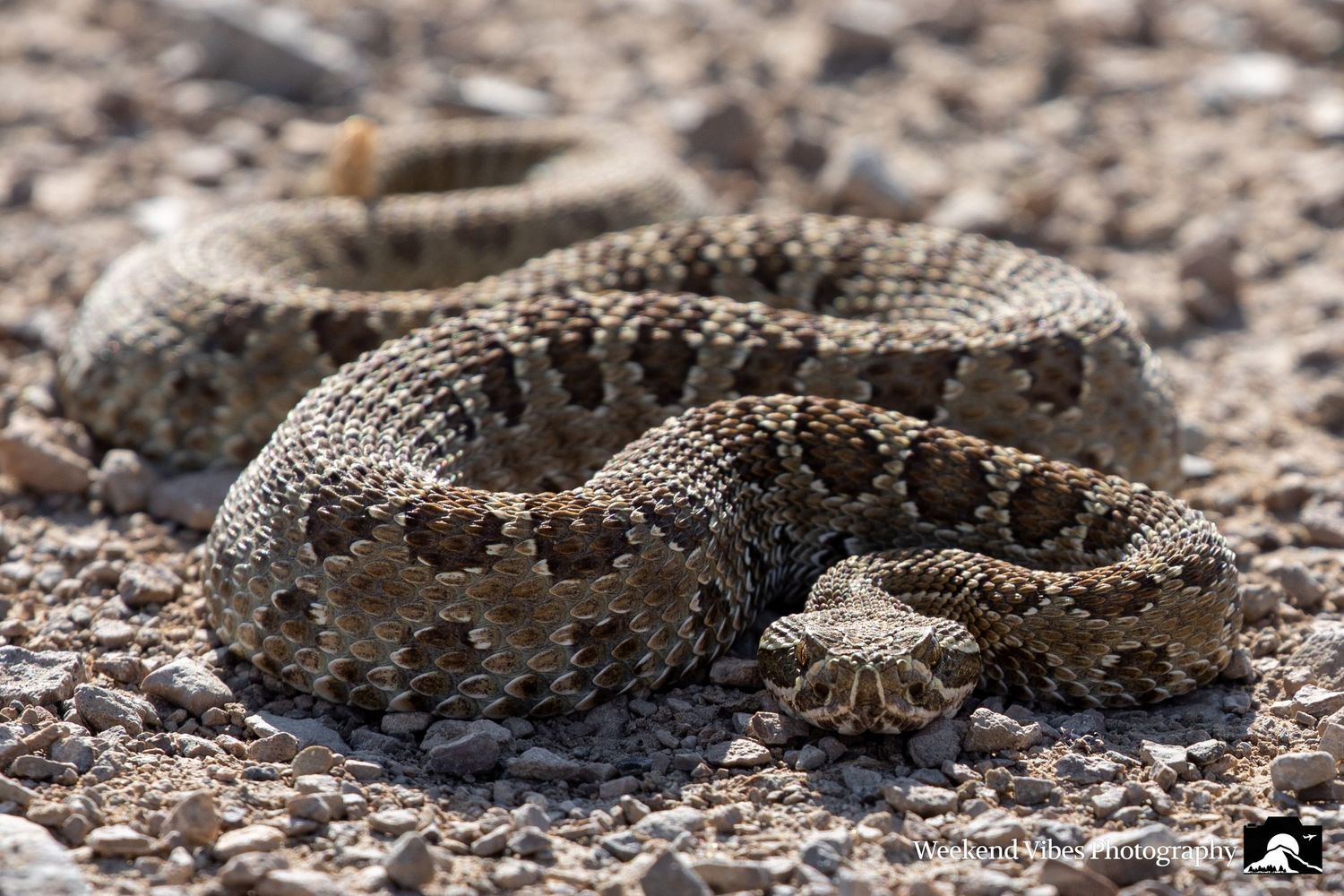
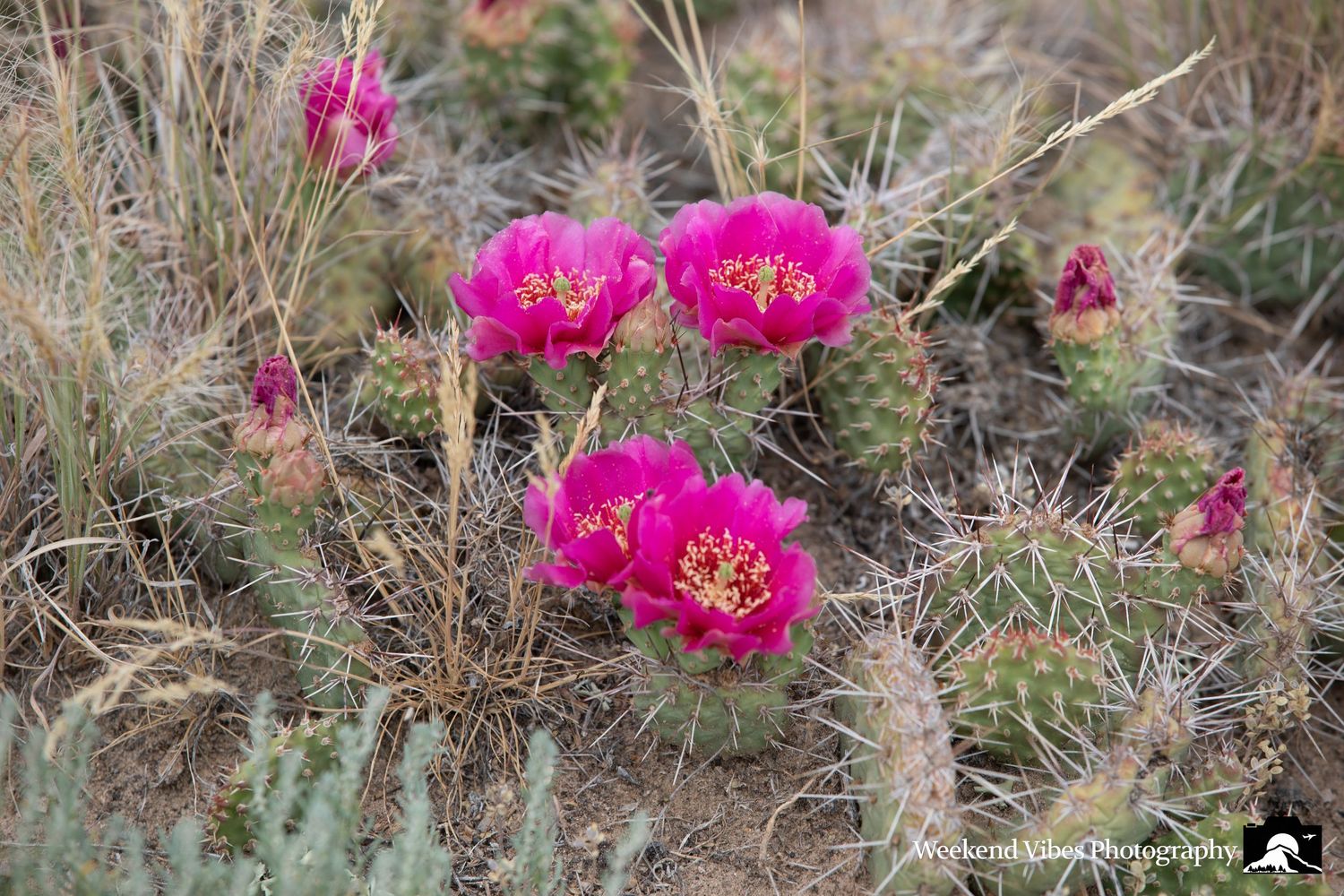
Sand Wash Basin's beauty comes with challenges: cacti, rattlesnakes, rocky terrain, and, in summer, the notorious no-see-um—a tiny gnat that delivers painful, itchy bites that linger for weeks. The clay roads grip tires when dry but turn slicker than ice when wet, while chert rocks can slice tires like butter. With careful planning, though, the trip is well worth it.
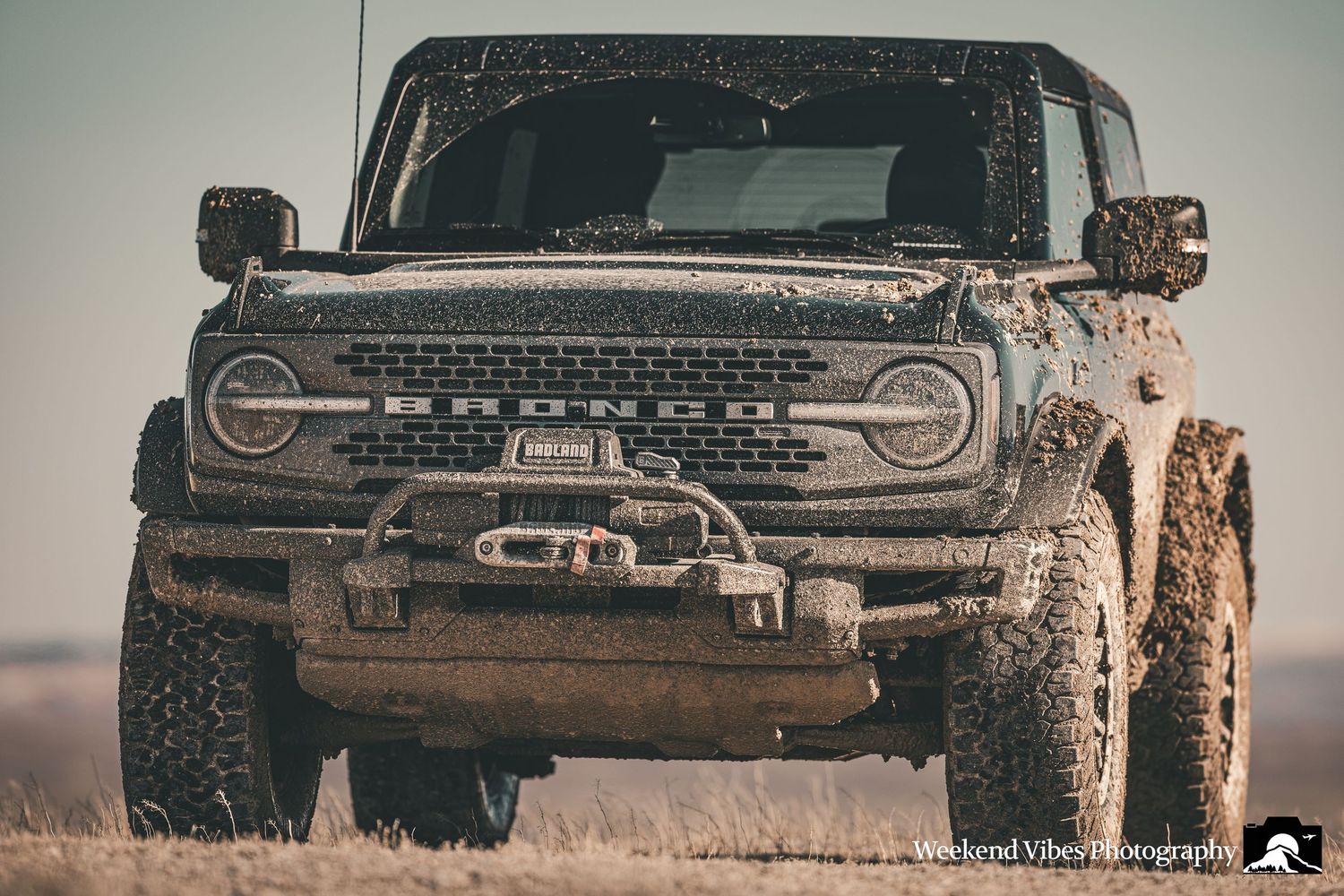
We recommend visiting in spring or fall when temperatures are milder, and the horses are active. Pack sunscreen, bug spray, and clothing for drastic temperature swings—summer days can exceed 100°F, while nights may dip into the 30s or 40s. Bring enough food and water for at least three days, even for a one-day visit, as there are no stores in the basin. A full gas tank is essential (fill up in Maybell if coming from the east), and a high-clearance vehicle or SUV with a spare tire, tire repair kit, and air pump is recommended. Choose tires with a higher ply rating, ideally with Kevlar for puncture resistance.
Rain can render roads impassable in minutes, turning clay into a skating rink. Even four-wheel-drive vehicles struggle, so monitor the weather and plan to exit before storms hit. For first-timers, stick to the main roads or “wild horse loops.” Online maps work well, and you can grab a physical map at the Maybell General Store (check hours).
Our advice? Prepare thoroughly, as the high desert is unforgiving, with every element competing for survival.
Camera Basics: Megapixels/Sensors
Megapixels represent the tiny “boxes” on a camera’s sensor that capture light’s color and intensity. Think of the sensor as a flat pad behind the lens, composed of these boxes, which replaced film in digital cameras. More megapixels don’t always mean better photos. A higher megapixel count allows for larger prints or cropping without losing detail. Folks often choose to take pictures with their phone and the quality of these images can be sufficient, depending on what you want to do with the final image. For example, a full frame, 50 megapixel camera will allow you to increase an image size for print, to many times its original size. A cell phone shot may have a 50 megapixel camera, but the sensor itself is tiny compared to a camera sensor. Cell phone images can only be expanded and printed with that in mind, as they will lose picture quality the larger they are. It is all in what you want to do with the final image.
Larger sensors (like those in full-frame cameras) often outperform smaller ones (like in smartphones) in color accuracy and low-light performance, even with the same megapixel count.
A 24-megapixel full-frame camera may produce richer colors than a 50-megapixel model because its larger pixels gather more light. However, higher megapixels shine when cropping tightly on a subject. It’s a trade-off: lower megapixels for better color, higher megapixels for cropping flexibility. Newer sensors improve light capture, but the balance remains.
Camera Brands
We use Canon, but brand matters less than ergonomics. Visit a camera store to test how a camera feels in your hands and whether the controls suit you. Each brand’s software processes sensor data differently, affecting .jpg output—some lean vibrant, others warmer (more reds/oranges) or cooler (more blues). Shooting in RAW format preserves all sensor data, giving you control in post-processing with software like Adobe Lightroom, which we find user-friendly and worth its modest subscription. RAW is like gathering ingredients for a cake; .jpg is the baked cake straight from the camera.
Most photographers want to keep full RAW data in order to edit to their liking.
The Exposure Triangle
Aperture
The size of the opening in your camera that controls the amount of light passing through to the sensor. The lower the aperture or f stop, the larger the hole. For example, f/2.8 allows for significantly more light through to the sensor than f/22.
Aperture can be compared to your pupil dilating or constricting.
Shutter Speed
This is the length of time the camera's shutter is open, allowing light to pass through to the sensor. The higher the shutter speed, the more the image is frozen in time. The lower the shutter speed, the more movement you may see in the image.
Shutter speed can be compared to how fast you blink your eyelids.
ISO
ISO stands for International Organization for Standardization (you'll never need to know that again) and is how sensitive the camera is to light. It determines how much light is needed to expose for the image. A higher number means a greater sensitivity to light, allowing the camera to function better in low light scenarios.
ISO can be compared to whether you are wearing (or need) sunglasses or not.
These three elements form the exposure triangle, working together to balance light. Adjusting one requires tweaking the others. For example, a low aperture (more light) may need a faster shutter speed or lower ISO to avoid overexposure. On bright days, start with ISO 100 and adjust aperture or shutter speed.
Cameras offer modes to simplify the exposure triangle:
Auto Mode: Adjusts all three for correct exposure, ideal for beginners.
Scene Modes: Prioritize settings (e.g., “Sports” for fast shutter speeds to capture action).
Aperture Priority (Av): You set the aperture; the camera adjusts shutter speed and ISO. Our go-to for controlling depth of field.
Shutter Priority (Tv): You set the shutter speed; the camera handles the rest.
For wild horse photography, we prefer aperture priority to control depth of field—blurring backgrounds for a single horse or sharpening the scene for a herd. Purists may advocate manual control, but action photography demands speed. Let the camera handle secondary settings so you can focus on the moment.
Lenses: Aperture and Focal Length
The lens is the cornerstone of quality photography, especially in Sand Wash Basin. Two key factors are aperture and focal length.
Aperture
Aperture, measured as f-stops (e.g., f/1.4 to f/22), controls the lens opening’s size. Lower numbers (e.g., f/1.4) allow more light, ideal for low-light conditions, and create a shallow depth of field, blurring backgrounds for a striking effect. Higher numbers (e.g., f/22) increase depth of field, keeping more of the scene in focus but requiring more light, which may necessitate slower shutter speeds or higher ISO.
Lenses with lower aperture capability (f/2.8) are typically more costly than a lens with a higher aperture capabilities (f/5.6). In the basin’s bright sunlight, a higher aperture (smaller opening) often works well, and these lenses are more affordable. To blur backgrounds without a low-aperture lens, position yourself so the horse is farther from the background, or shoot from a lower angle.
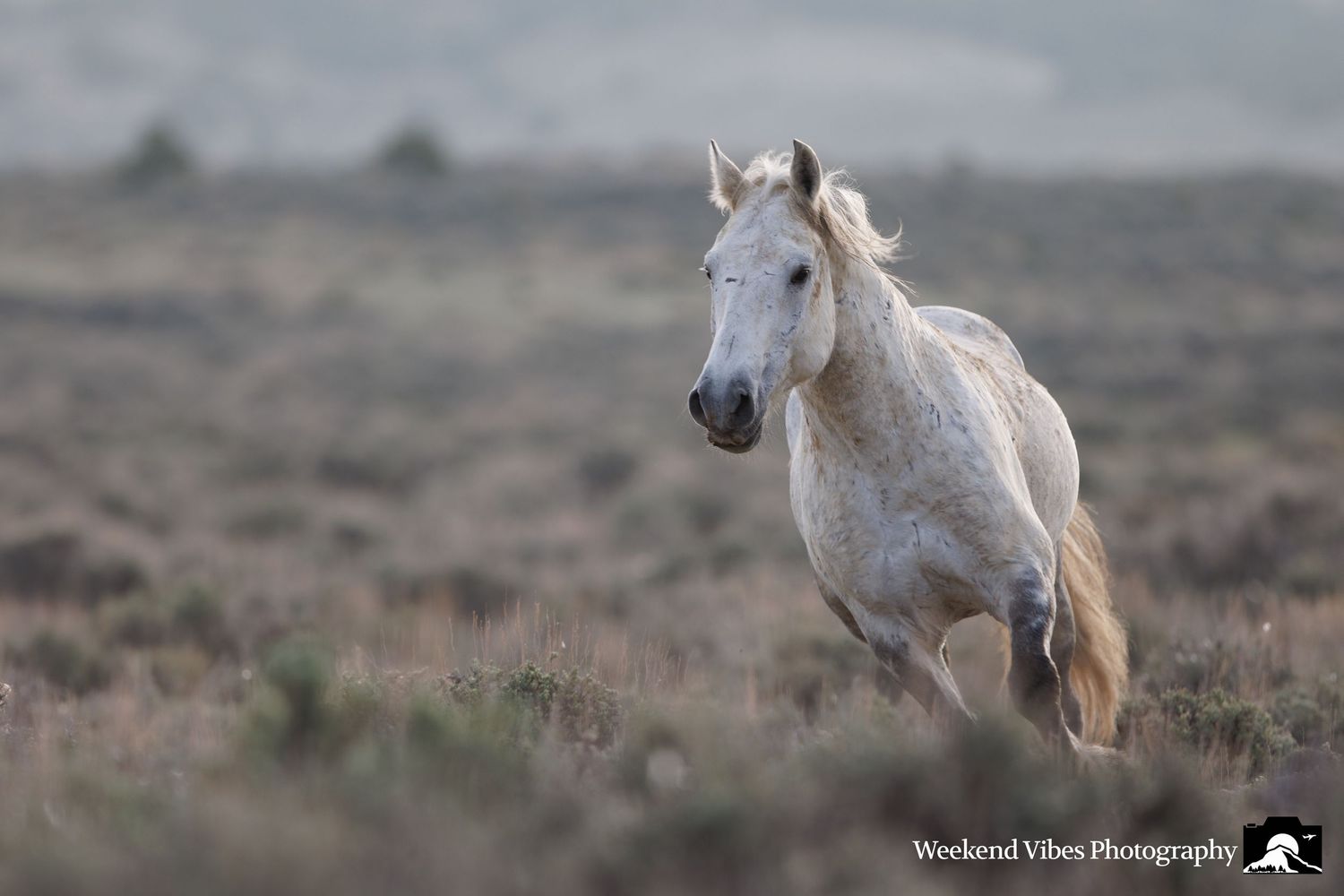
The settings for this photo are:
Focal Length-300mm
Shutter Speed-1/500 second
Aperture-f/3.2
ISO-100
This low aperture creates a blurred background effect that hints at what's there, but does not show great detail. This allows for the subject to be shown separate and apart from background, creating an almost 3d effect.
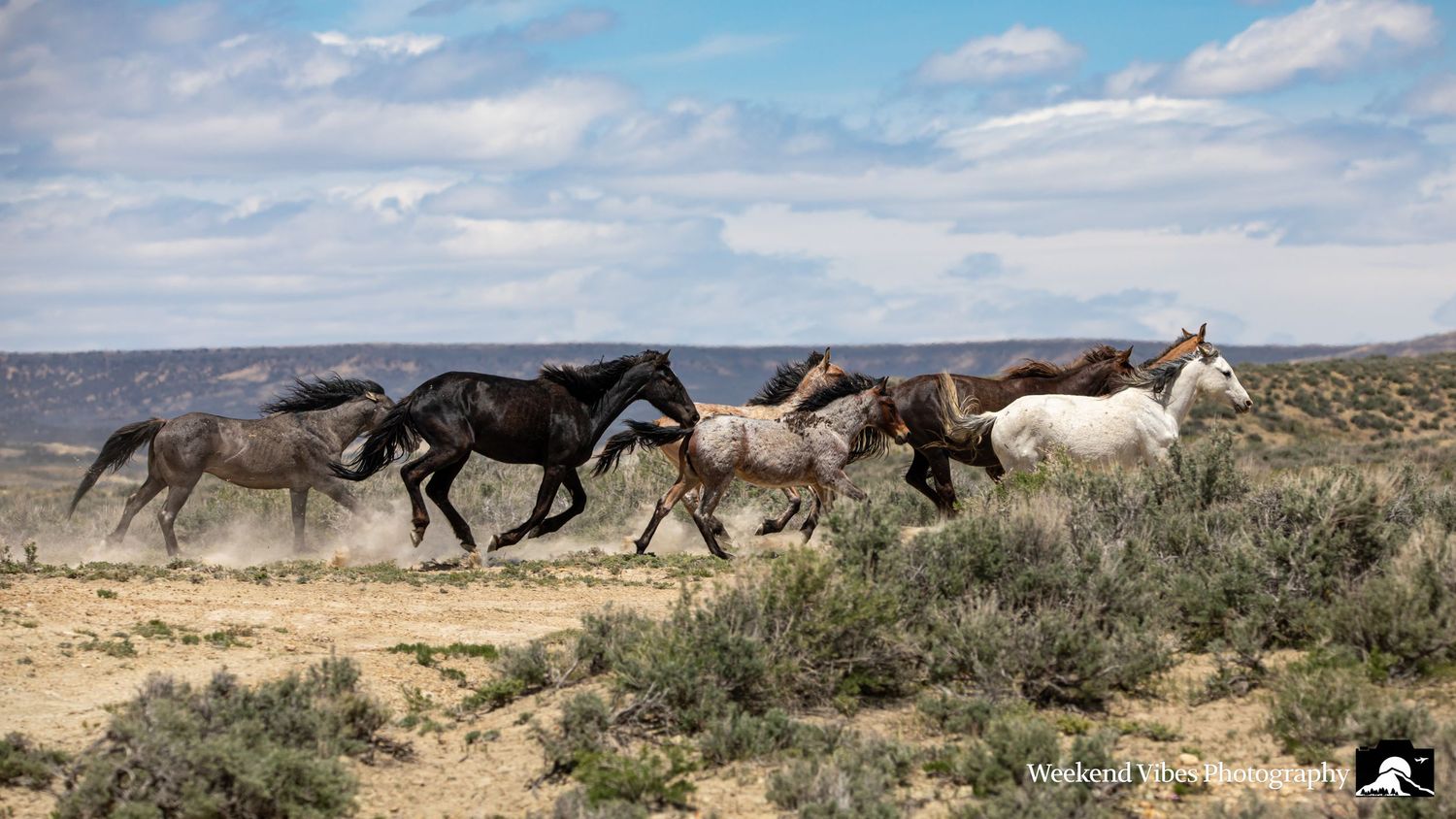
The settings for this photo are:
Focal Length-226mm
Shutter Speed-1/800 second
Aperture-f/6.3
ISO-100
The medium range aperture is sufficient enough to capture each horse in focus, even though they are not on a level field with one another. The background shows soft detail.
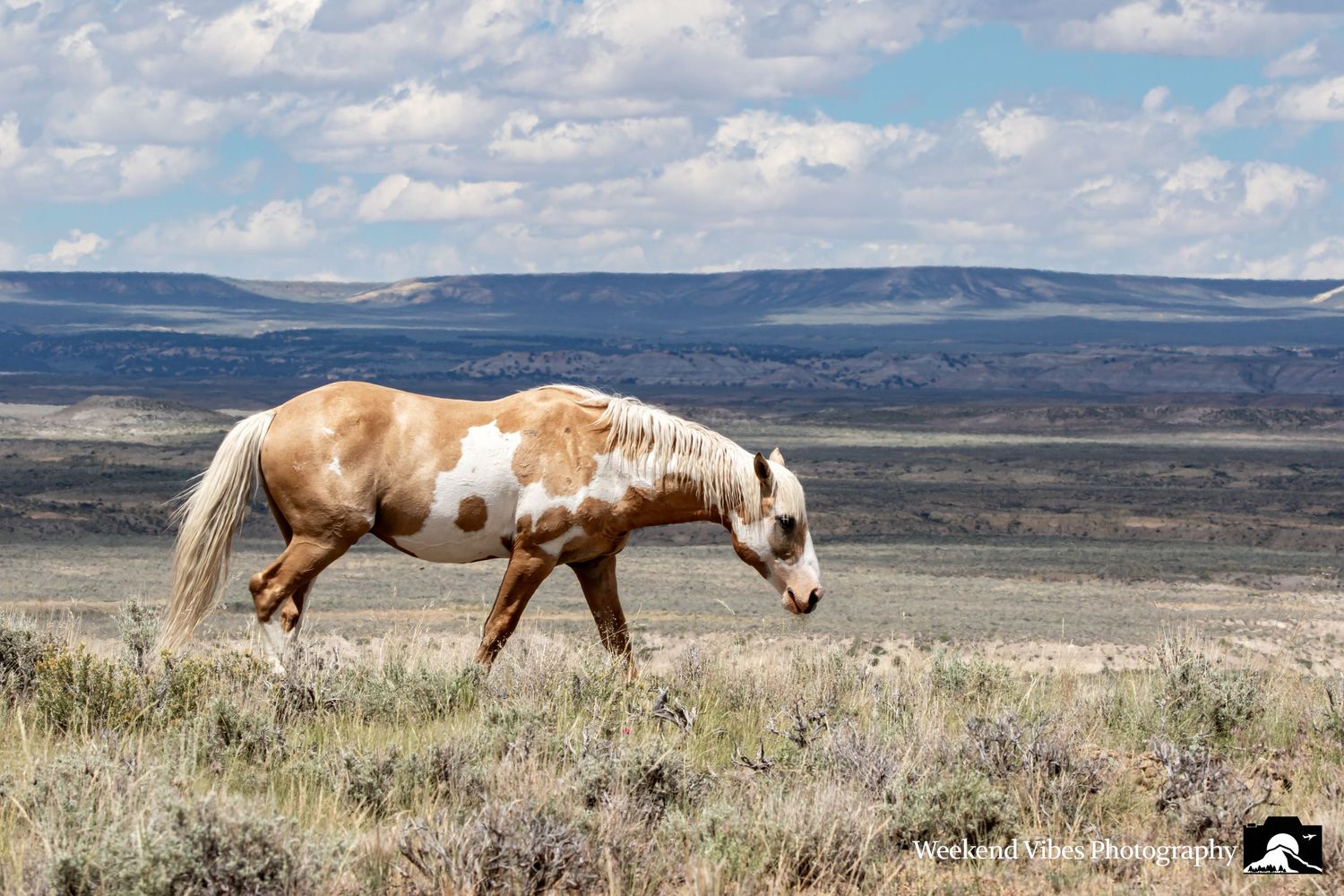
The settings for this photo are:
Focal Length-180mm
Shutter Speed-1/200 second
Aperture-f/14
ISO-100
The high aperture in this photo shows the foreground and background in detail. The sage in front and the clouds in back are clearly defined.
Focal Length
Focal length, measured in millimeters (mm), determines zoom. A 50mm lens mimics human vision, while higher numbers (e.g., 300mm) bring distant subjects closer. Common lenses for wild horse photography range from fixed 100mm to 600mm, with zoom lenses (e.g., 100-400mm) offering flexibility.
Longer focal lengths reduce light reaching the sensor and amplify camera shake, requiring faster shutter speeds, lower apertures, or stabilization tools like tripods. In the desert, heat haze—ripples from ground heat—can blur images at high zoom, especially midday. Early morning or evening shots minimize this issue.
Our preferred focal length is 300mm, offering about 6x magnification from what you would see with your eyes, without excessive shake or haze. Image-stabilized lenses help, but any focal length can yield great results with practice.
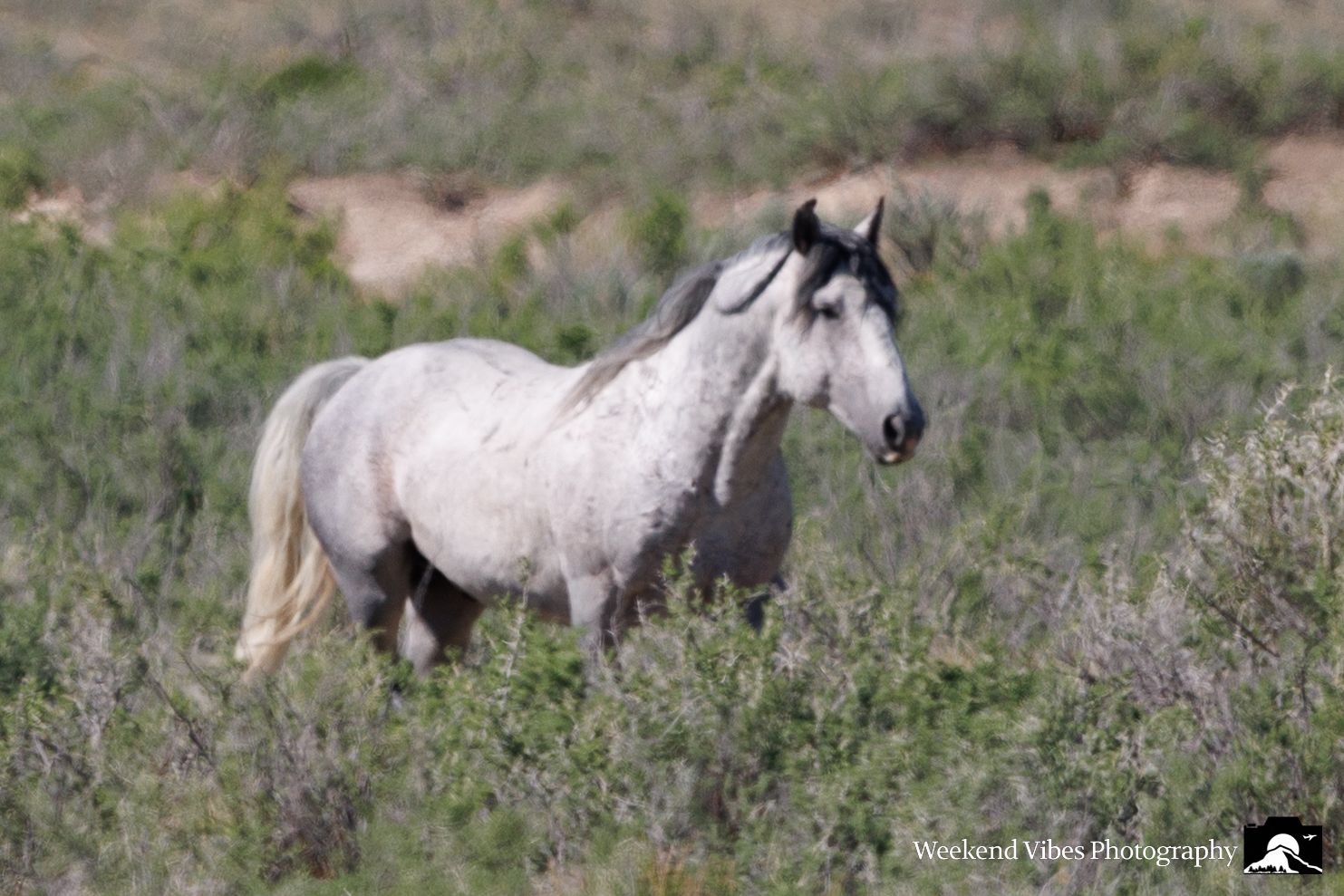
The photo is an example of intense heat haze creating a ripple effect in the image.
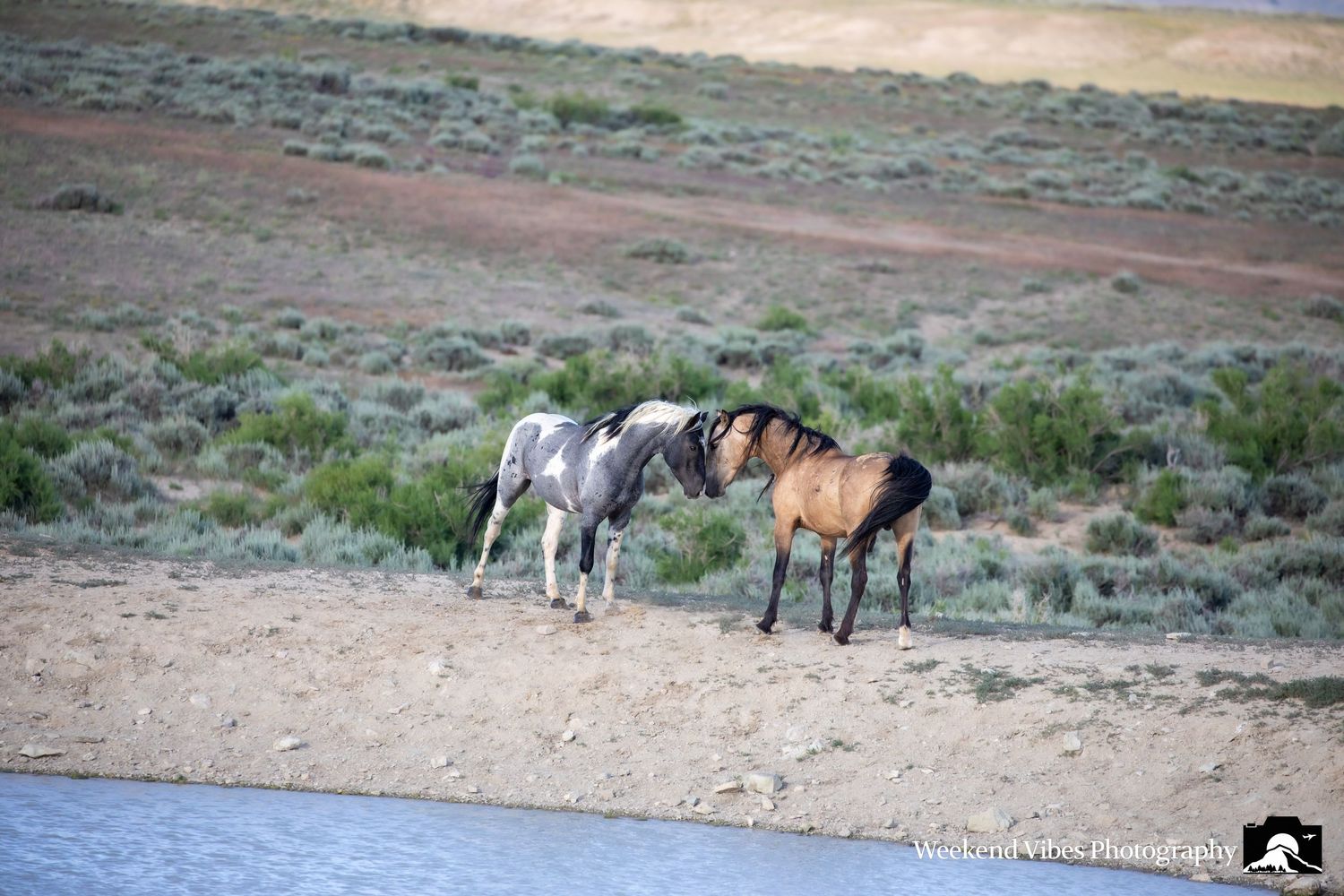
The settings for this photo are:
Focal Length-340mm (almost 7 times closer than what you can see with your eyes)
Shutter Speed-1/640 second
Aperture-f/5.6
ISO-400
They are quite a distance away from where were actually taking the picture.
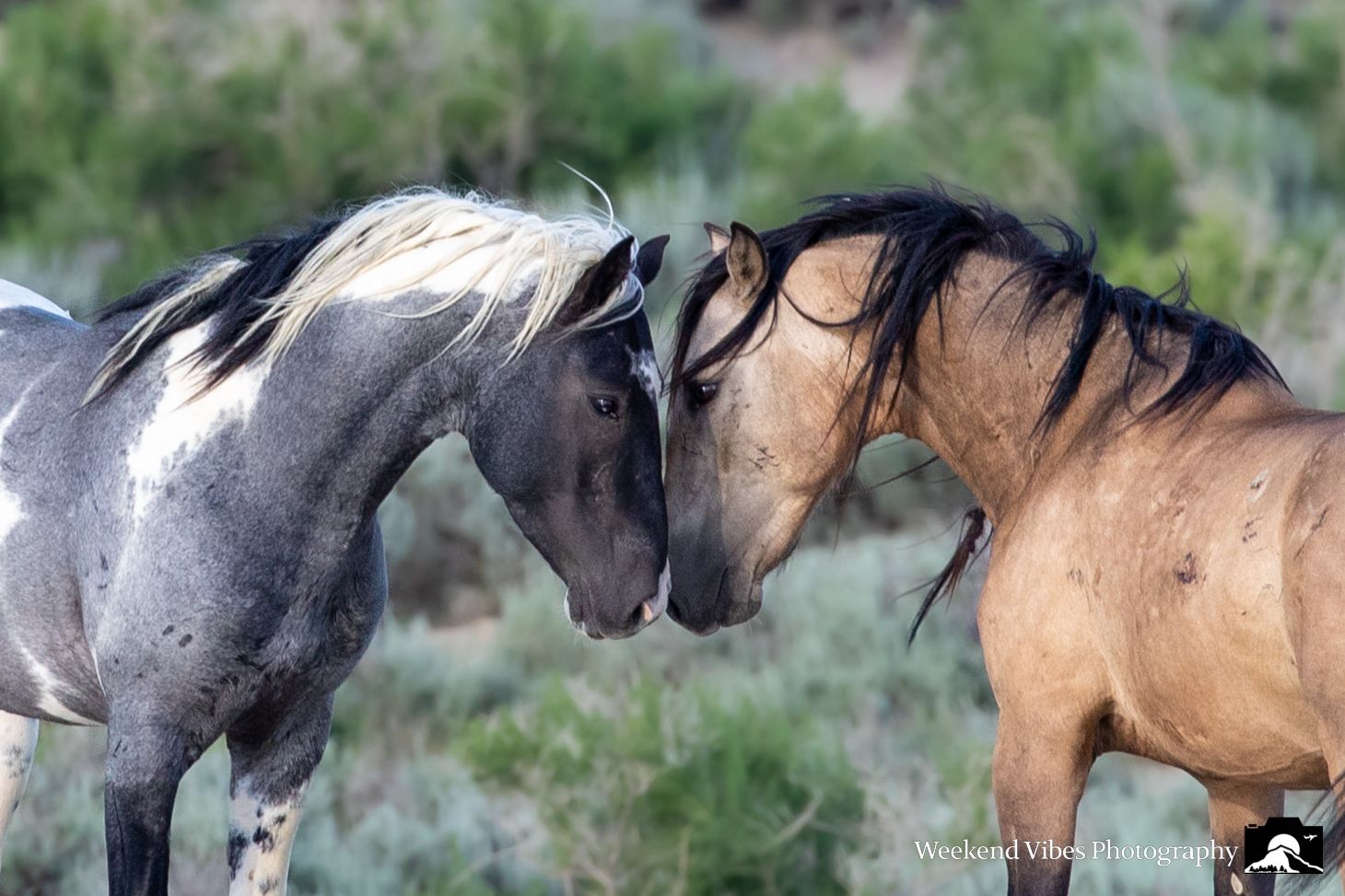
This is the final cropped image that was posted and sold several times on our website. This is cropped in roughly three times closer than the original image. Due to the lighting conditions of the day and the camera settings, enough detail was captured in the original image to allow for a significant crop, while still retaining detail.
ISO: Balancing Light and Grain
ISO adjusts the sensor’s sensitivity to light. Lower ISO (e.g., 100) captures more detail in bright conditions, while higher ISO (e.g., 800+) enables faster shooting in low light but introduces grain, especially in darker areas. Cameras vary in ISO performance, but grain is less noticeable in low-contrast scenes. Grain, or noise, are tiny dots that appear in the picture.
In the basin, morning and evening light often allows low ISO for crisp images. For backlit shots (e.g., sunsets), higher ISO can balance exposure, with editing software refining the result.
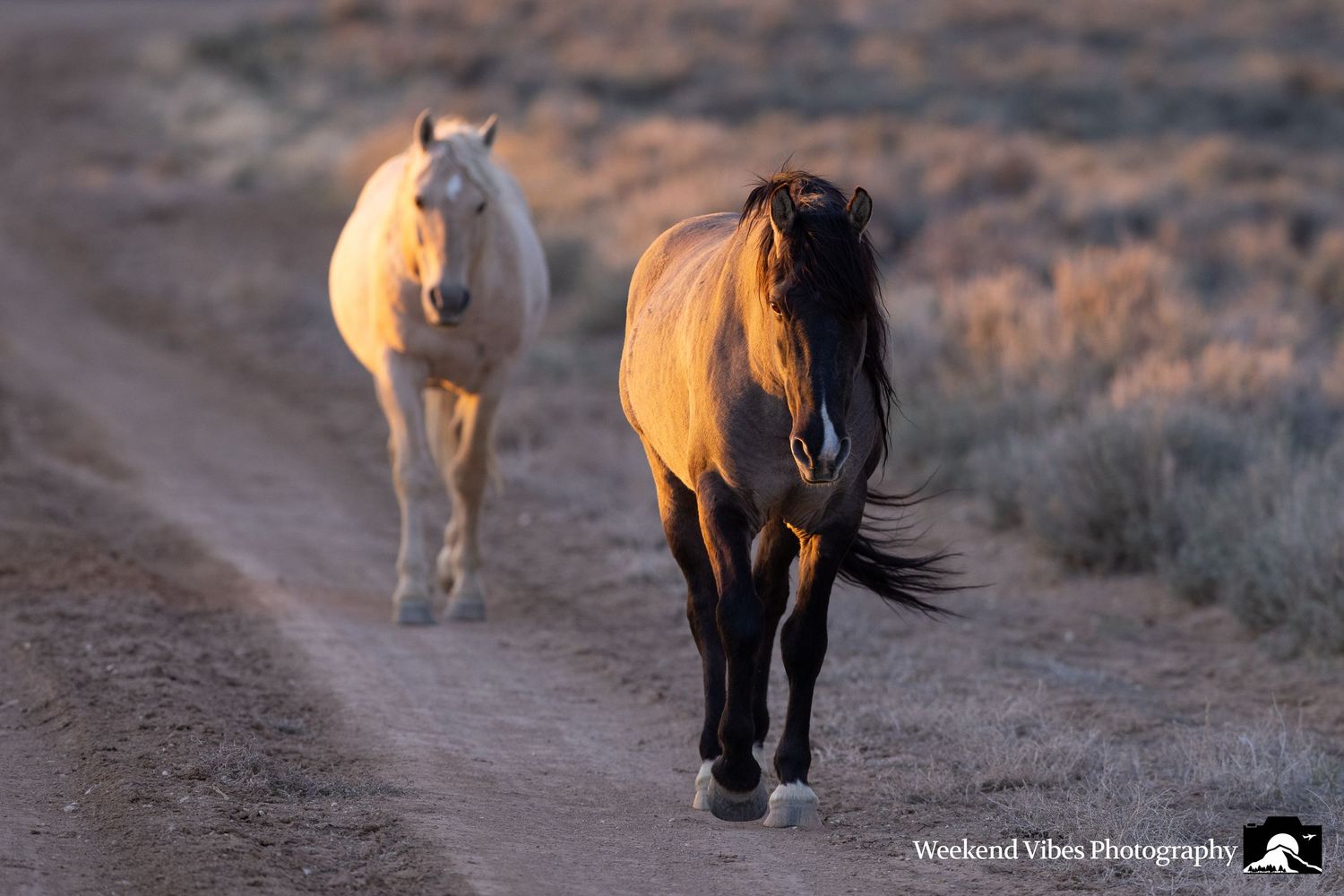
The settings for this photo are:
Focal Length-300mm
Shutter Speed-1/400 second
Aperture-f/3.5
ISO- 800
Some may consider ISO 800 as high and some would consider it low. Overall, whether it's high or low depends largely on your camera and lens, and how well it does in low light scenarios. This image shows very little grain (noise) overall.
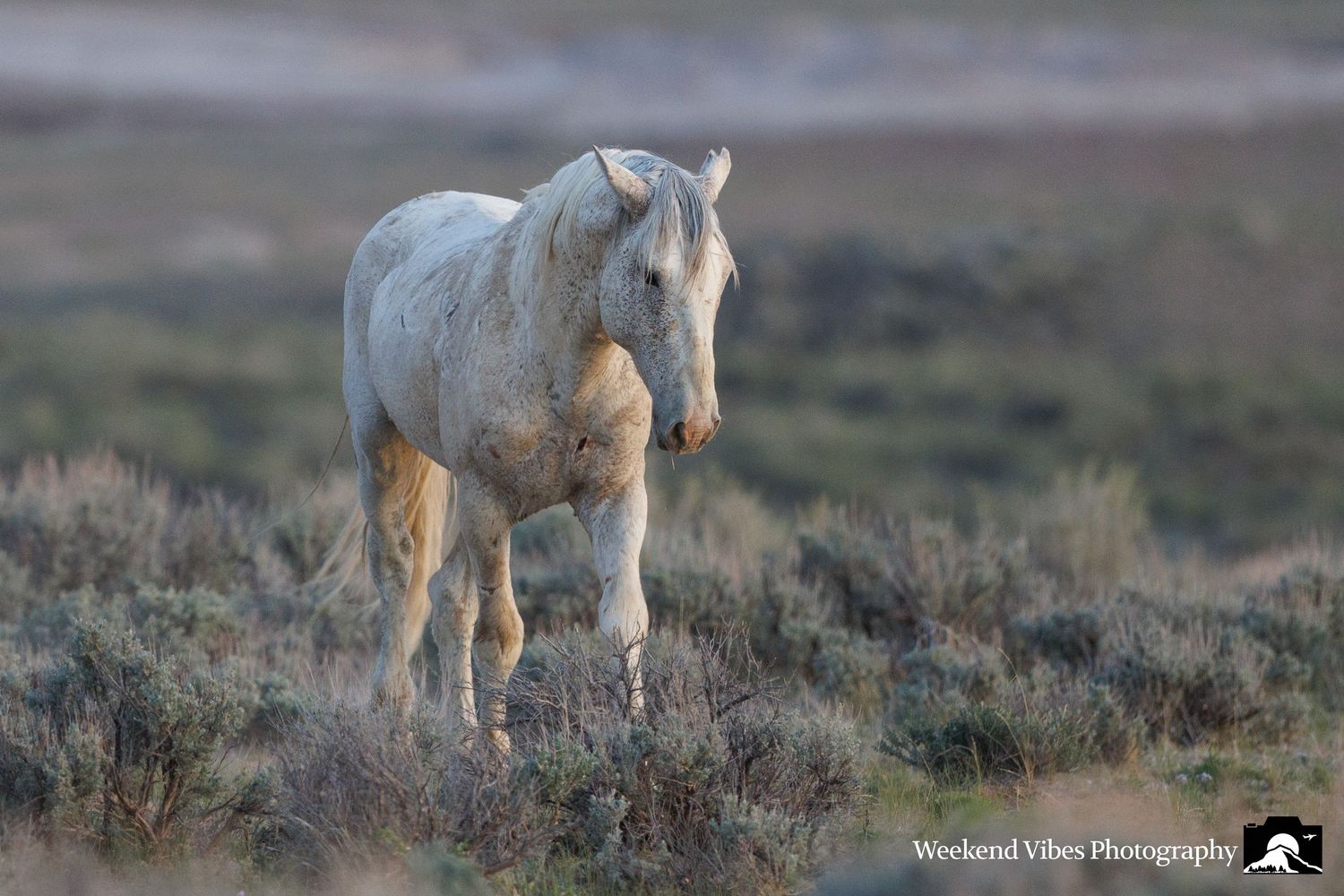
The settings for this photo are:
Focal Length-300mm
Shutter Speed-1/400 second
Aperture-f/2.8
ISO-1000
Although the ISO is higher in this picture, the grain is not too noticeable. The low f stop allows for more light to be introduced and the dynamic range is low, meaning the overall contrast of the image is low.
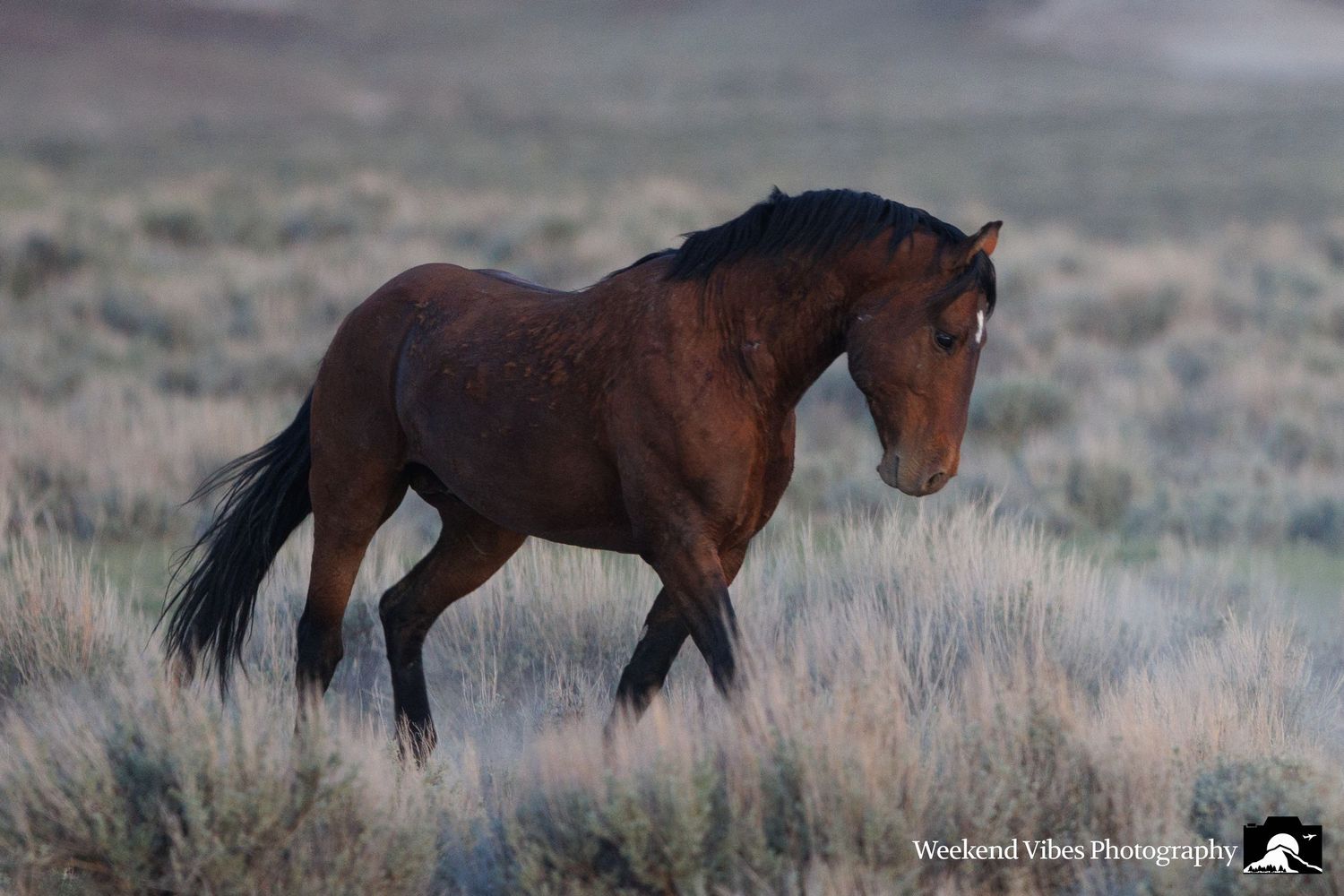
The settings for this photo are:
Focal Length-300mm
Shutter Speed-1/320 second
Aperture-f/2.8
ISO-1000
Although the lighting condition and settings are almost identical to the previous photo, the grain is more noticeable in this image. The grain shows more in a dark horse vs. a light horse, due to the dynamic range. Just like water spots on a black vehicle stand out more than on a white vehicle.
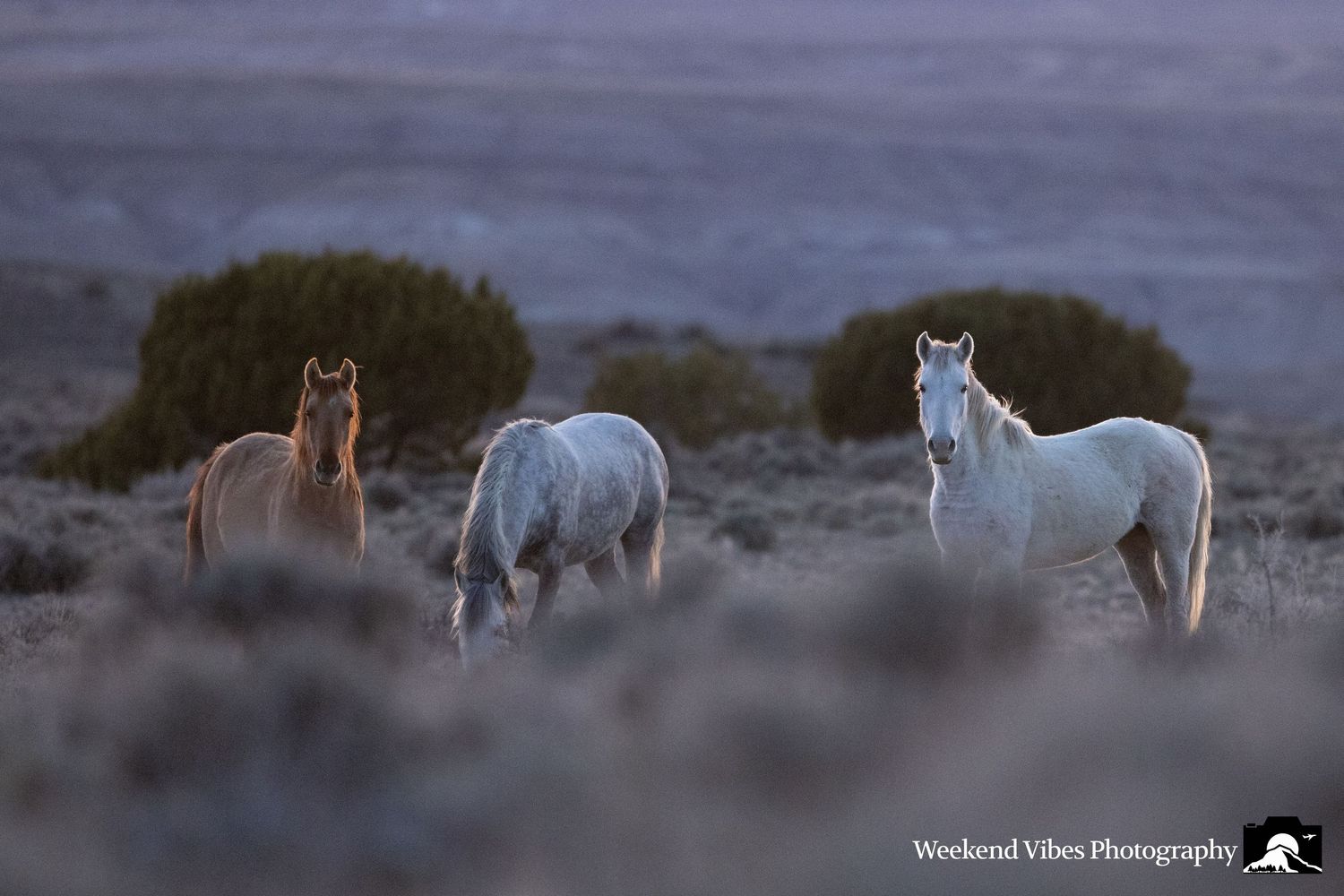
The settings for this photo are:
Focal Length-300mm
Shutter Speed-1/320 second
Aperture-f/2.8
ISO-6400
ISO this high in such a low light setting introduces significant grain into the image. While you are still able to see what this picture is of, a quick zoom in shows the grain, the result being loss of detail in the image. While post processing software allows for grain reduction or denoise, many times it smooths the image out to the point that it no longer looks natural.
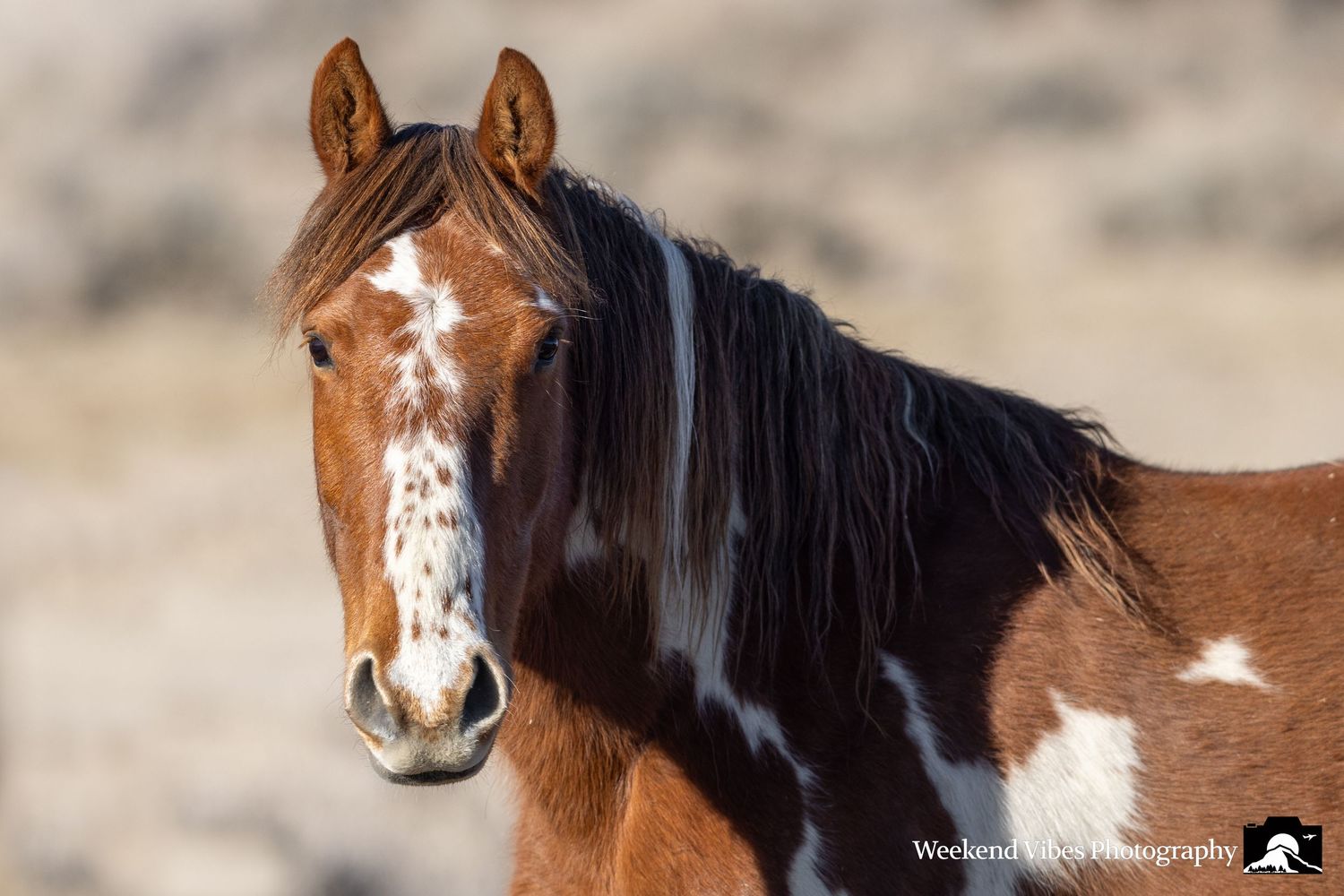
The settings for this photo are:
Focal Length-300mm
Shutter Speed-1/1250 second
Aperture-f/3.5
ISO-100
There is little to no grain in this photo. The bright lighting conditions and low aperture allow for a fast shutter speed, snapping every detail into place. The low ISO of 100 is perfect for this type of lighting condition.
Shutter Speed: Capturing Motion
Shutter speed, measured in fractions of a second (e.g., 1/1000), controls how long the sensor is exposed to light. Faster speeds (e.g., 1/2000) freeze motion, perfect for galloping horses, while slower speeds (e.g., 1/60) allow more light but risk blur from camera shake or subject movement. Speeds slower than your focal length (e.g., 1/300 for a 300mm lens) often require stabilization. Slow shutters can create artistic motion blur, like a horse running through sage.
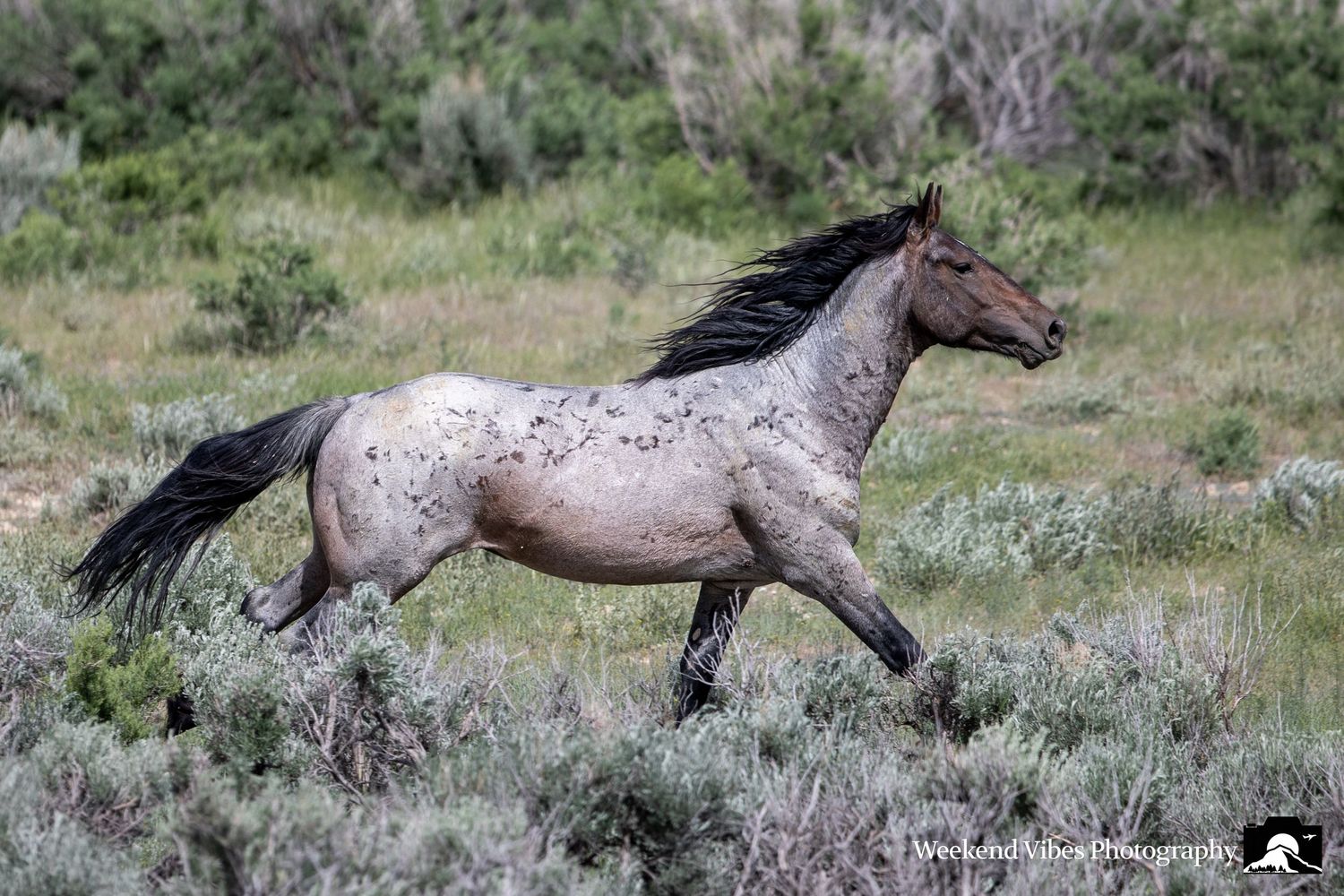
The settings for this photo are:
Focal Length-300mm
Shutter Speed-1/2000 second
Aperture-f/2.8
ISO-100
The fast shutter speed of 2000 of a second snaps the motion into place, with every detail clear and crisp.
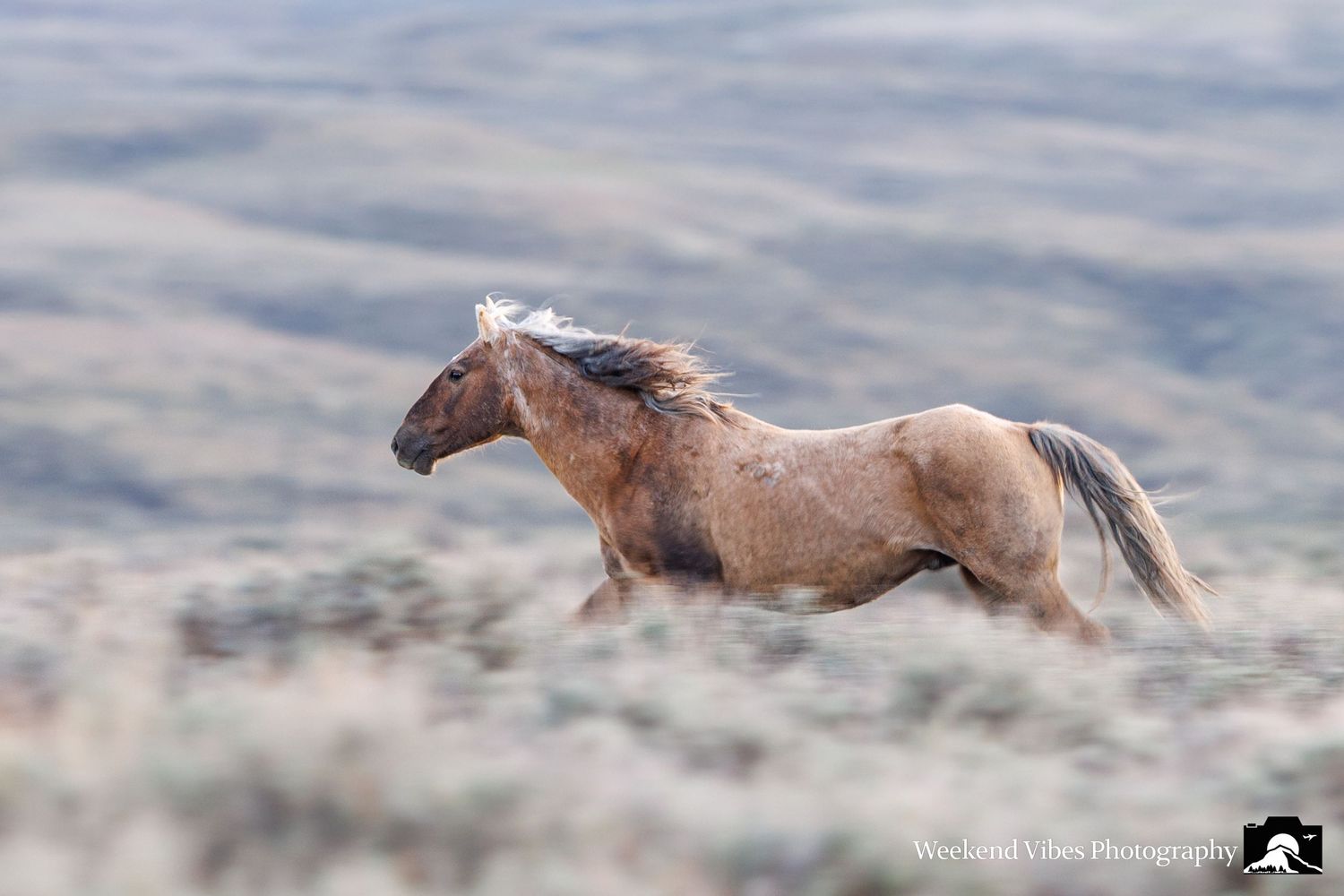
The settings for this photo are:
Focal Length-300mm
Shutter Speed-1/80 second
Aperture-f/3.5
ISO-125
The slow shutter speed of 80 of a second is not fast enough to freeze motion. Instead, it allows movement to be seen in the image.
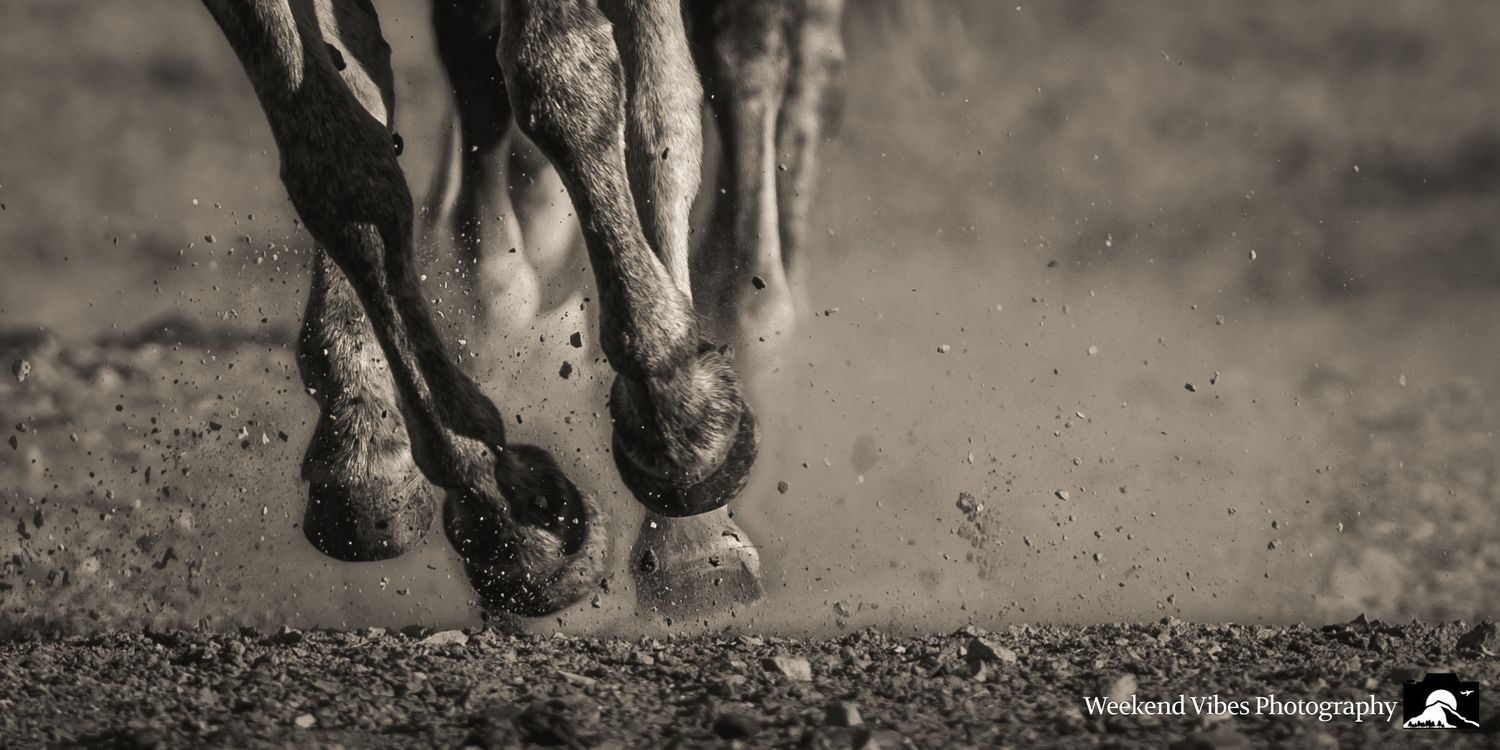
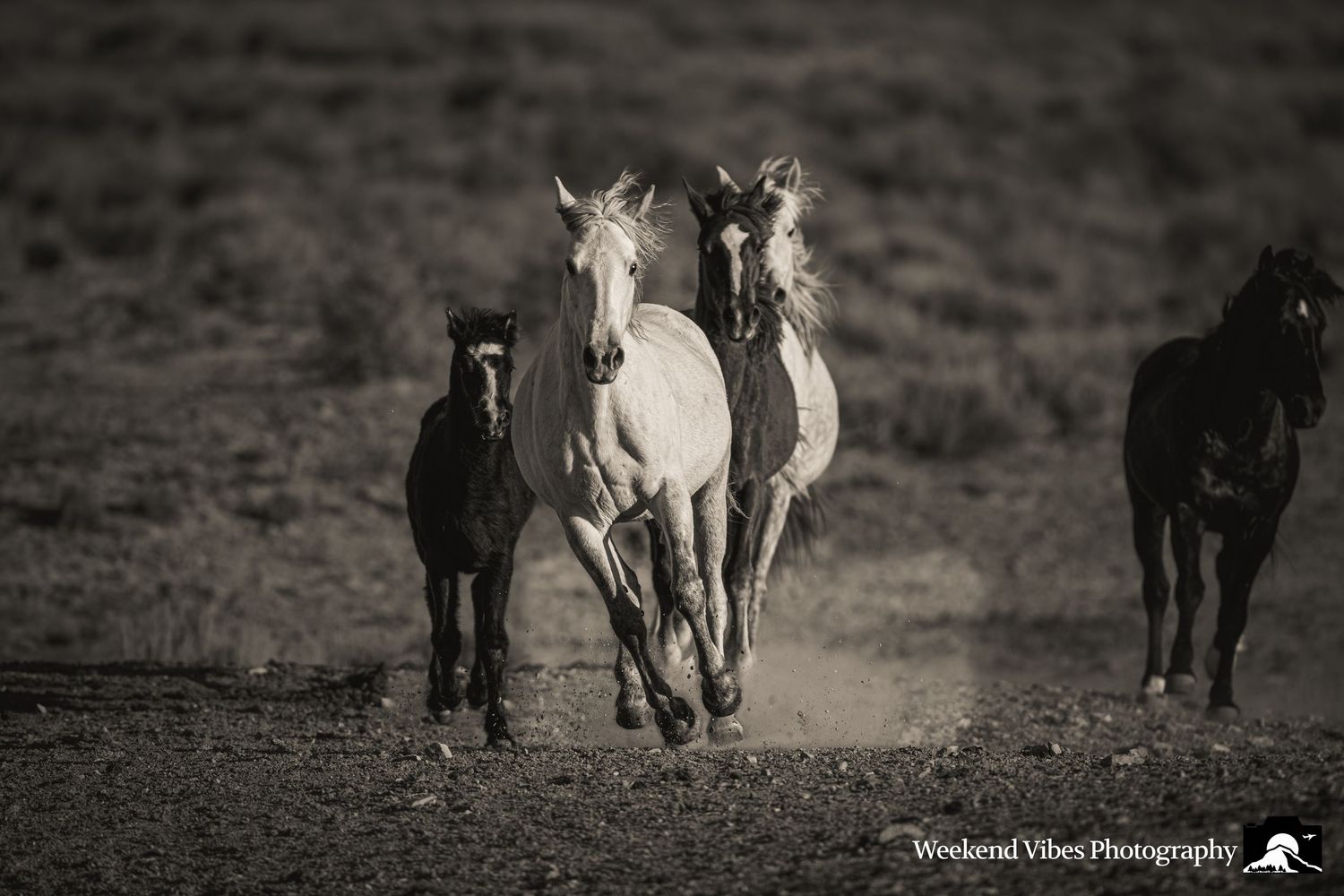
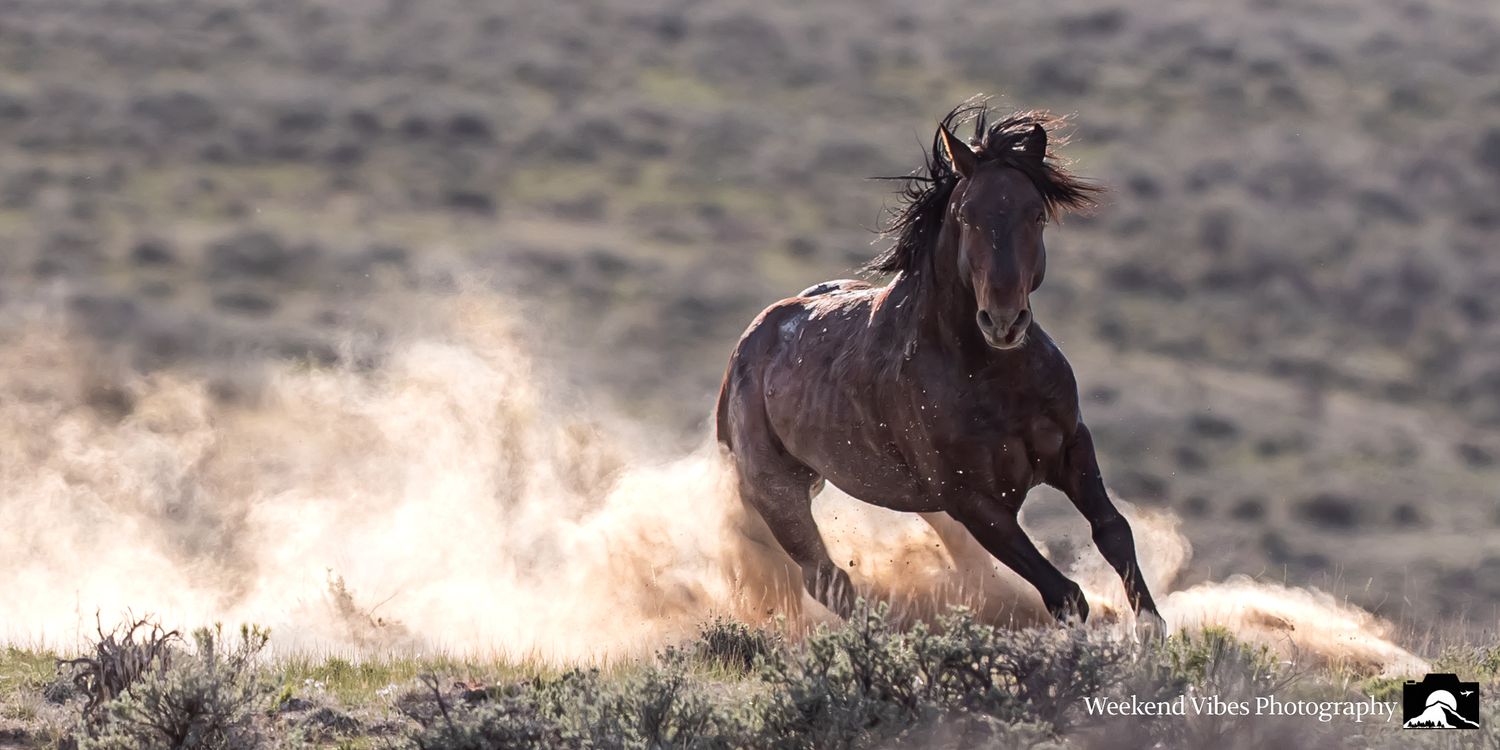
Cropping Images
Have fun and show your artistic side with cropping in on images. Find the picture you want within the picture you've taken!
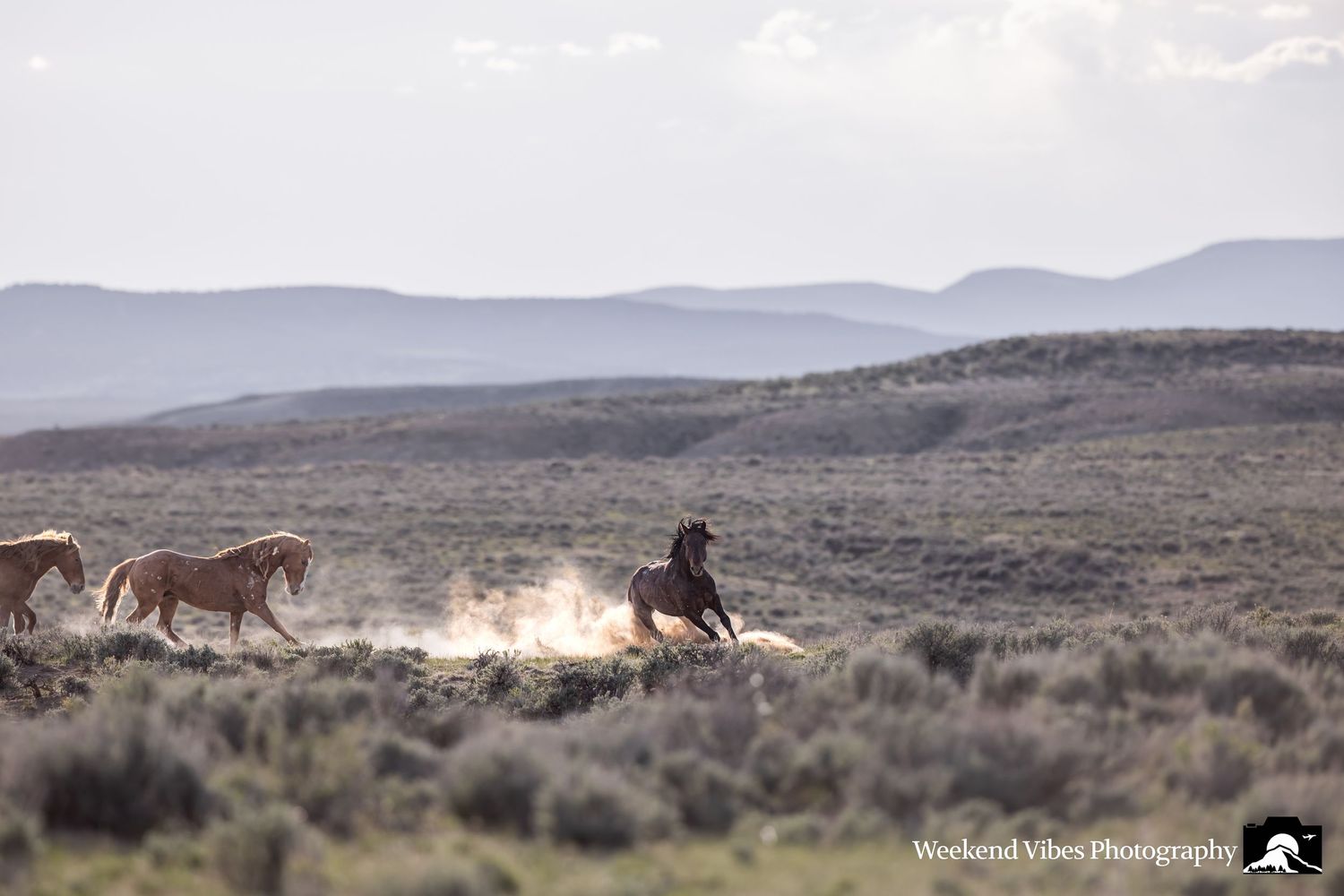
Hits and Misses
We are self taught photographers and still learning with a wide array of hits and misses! We are photographing wild horses that very rarely pose for us and oftentimes have sudden movements. It's easy to accidentally hit the spot where they just were and miss the shot!
Don't doubt yourself when you miss shots, every photographer has a series on their camera rolls that look like this!
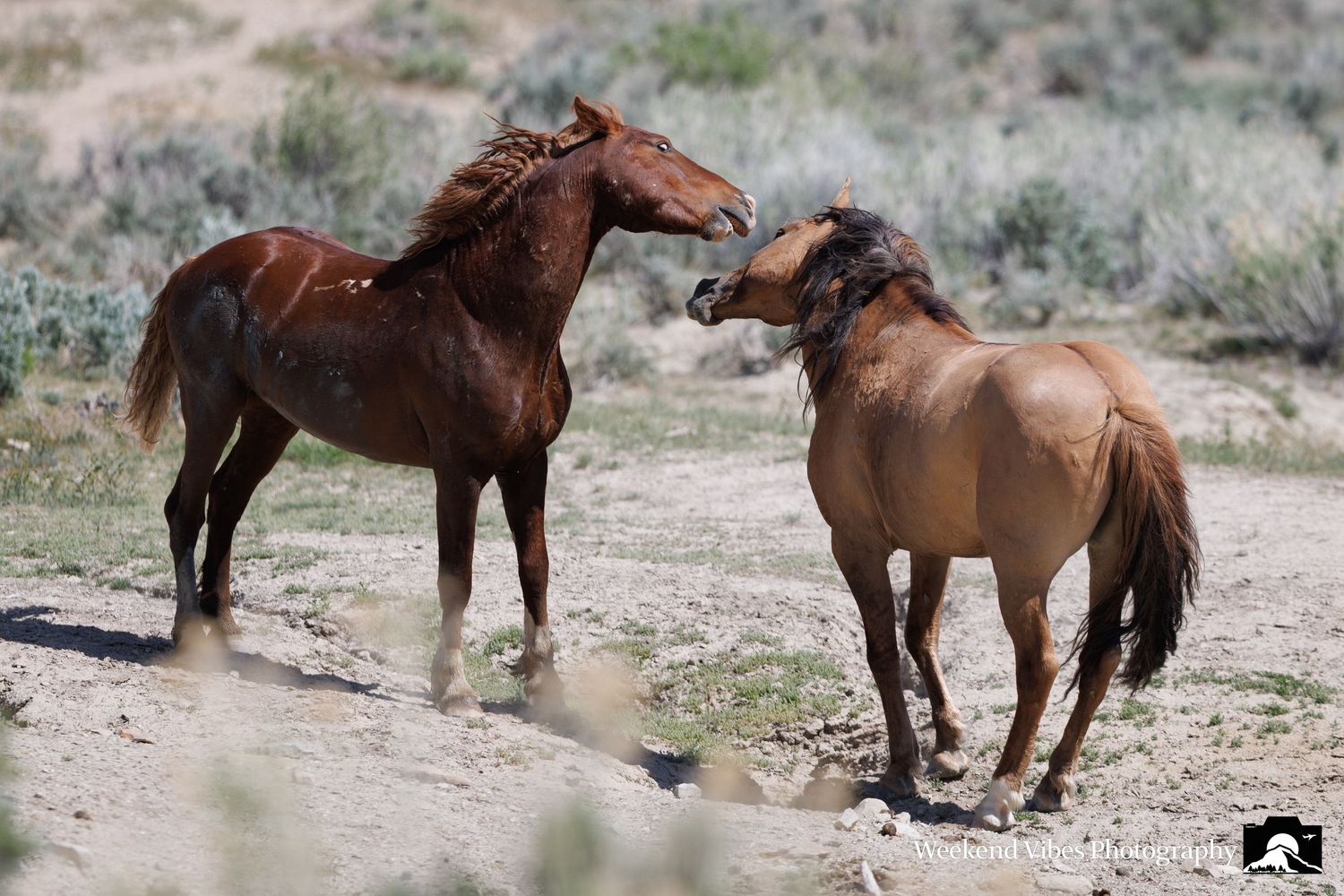
Nailed it!
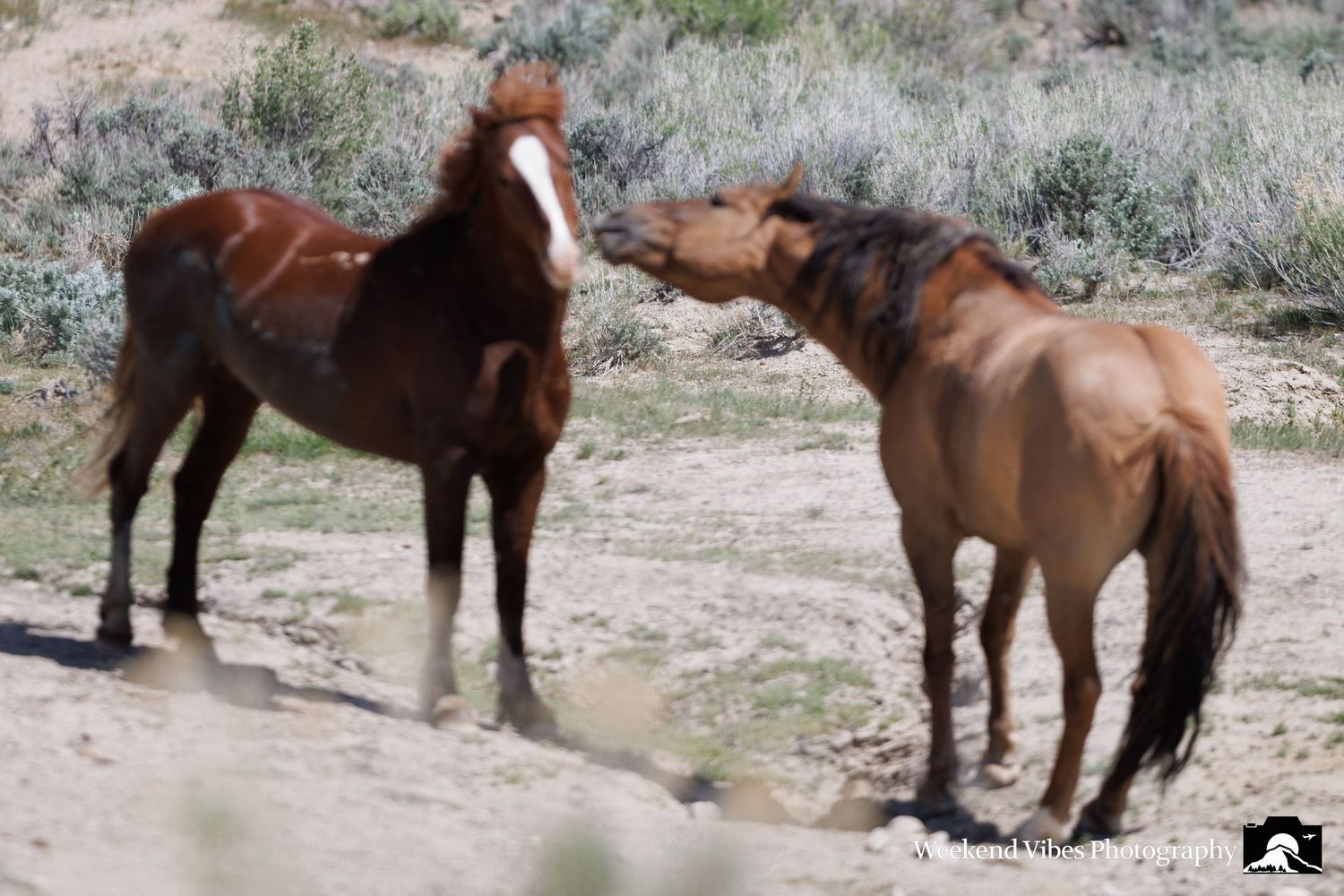
Wait, what?!
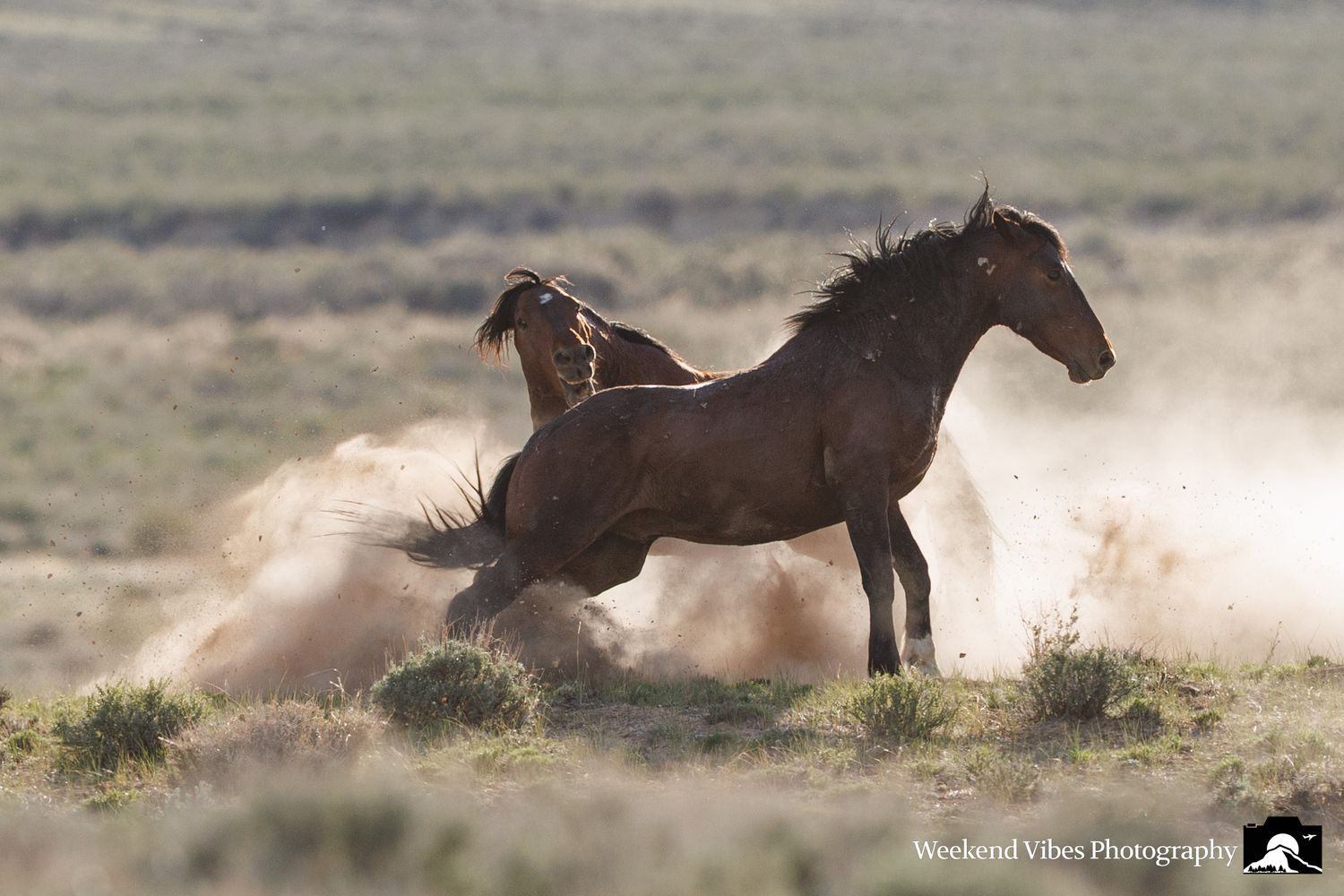
Crisp image!
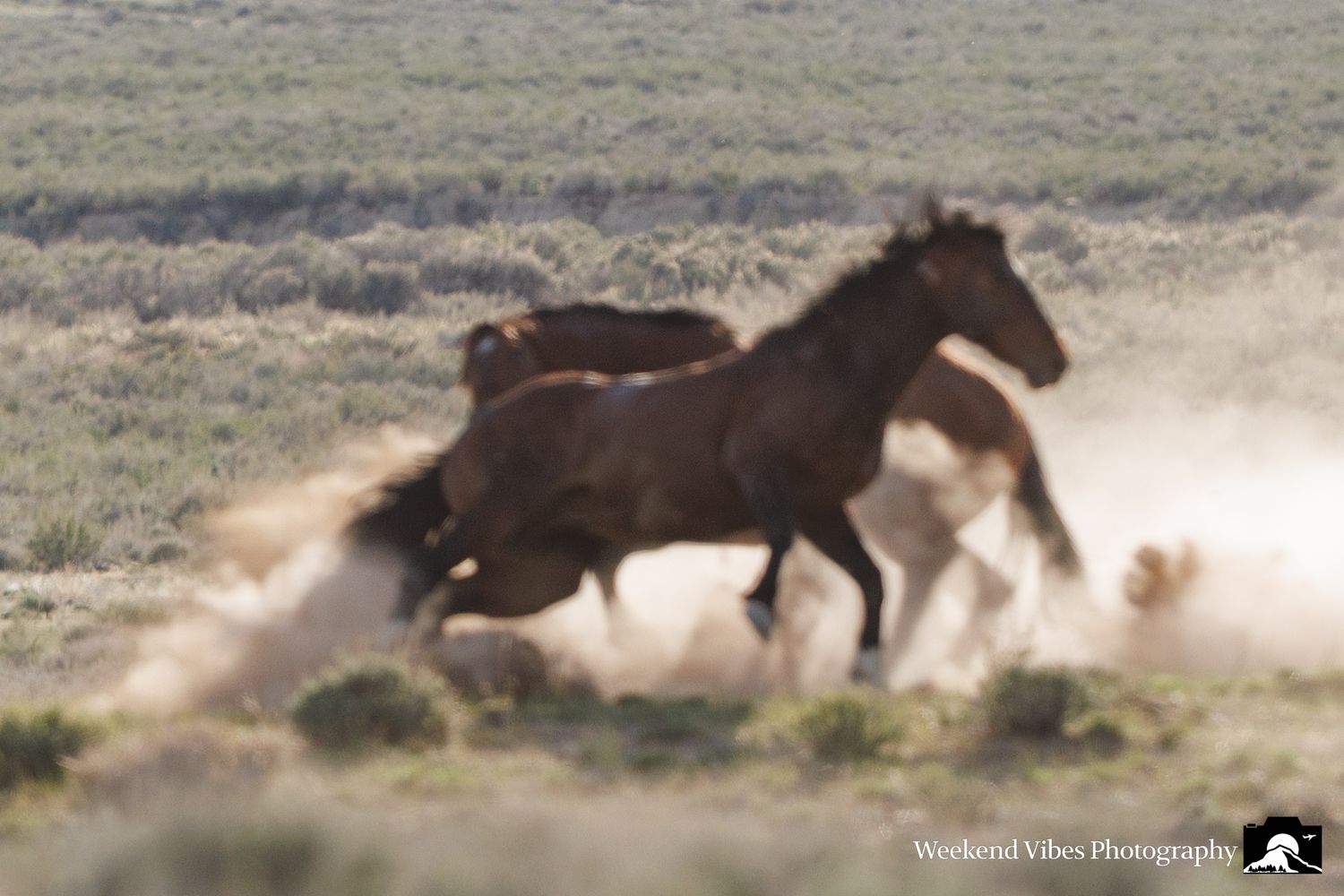
Absolute trash!
You don’t need the best gear to capture breathtaking wild horse photos in Sand Wash Basin. A smartphone, an entry-level DSLR, or a high-end camera can all work wonders. Experimentation is key, "mistakes" like a slow shutter speed can produce stunning motion blur or unexpected contrast. Embrace trial and error, take plenty of shots, and enjoy the process. The basin’s wild horses and vast landscapes are a photographer’s dream, so get out there and start shooting!