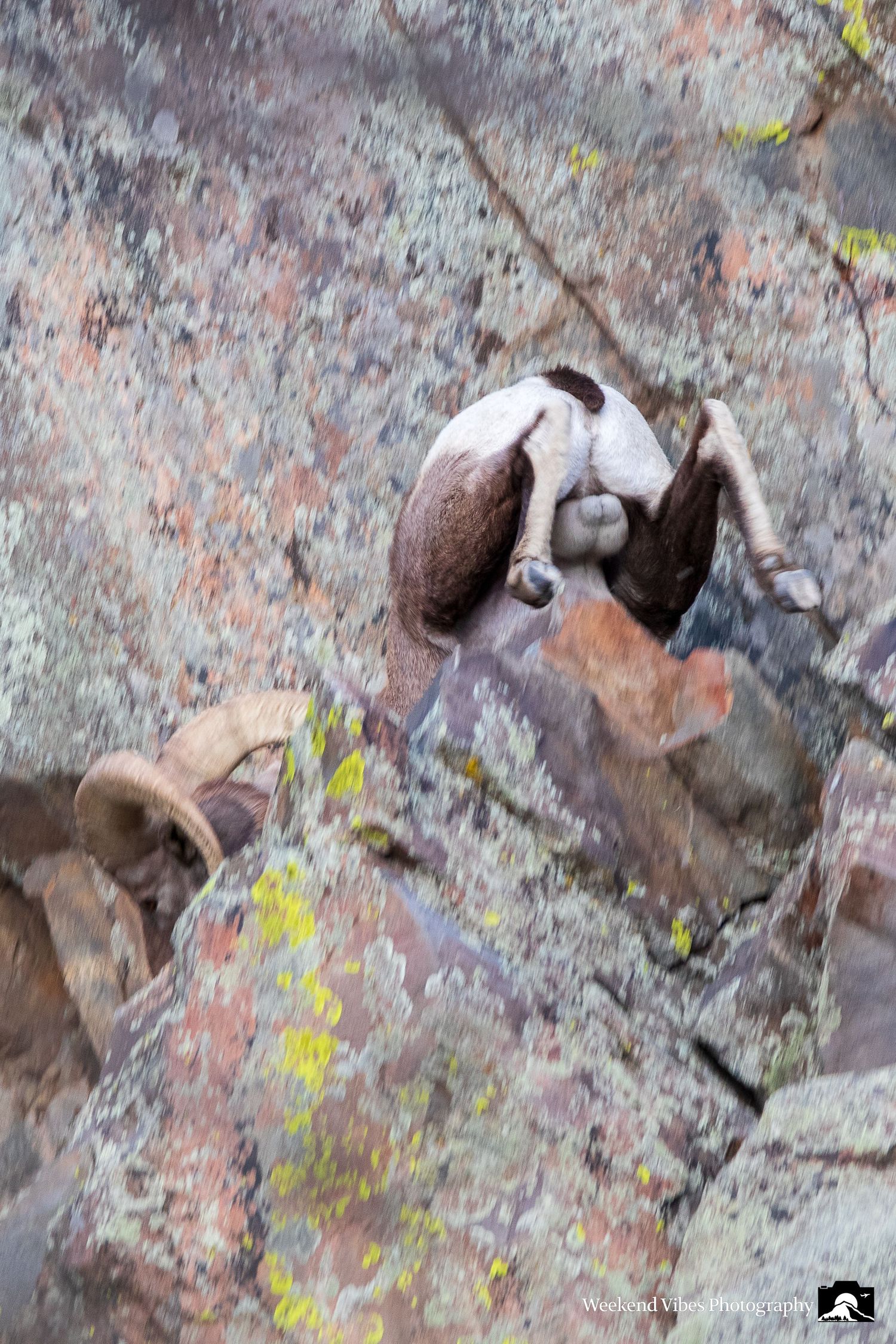
Colorado is home to some amazing wildlife! One of our favorite things to do is get out into our state and photograph the amazing animals that call Colorado home.
Colorado's state animal is the Bighorn Sheep. These guys only live in the mountain ranges from southern Canada down through Mexico. There are three subspecies of Bighorn: Sierra Nevada, Desert, and Rocky Mountain Bighorn Sheep.
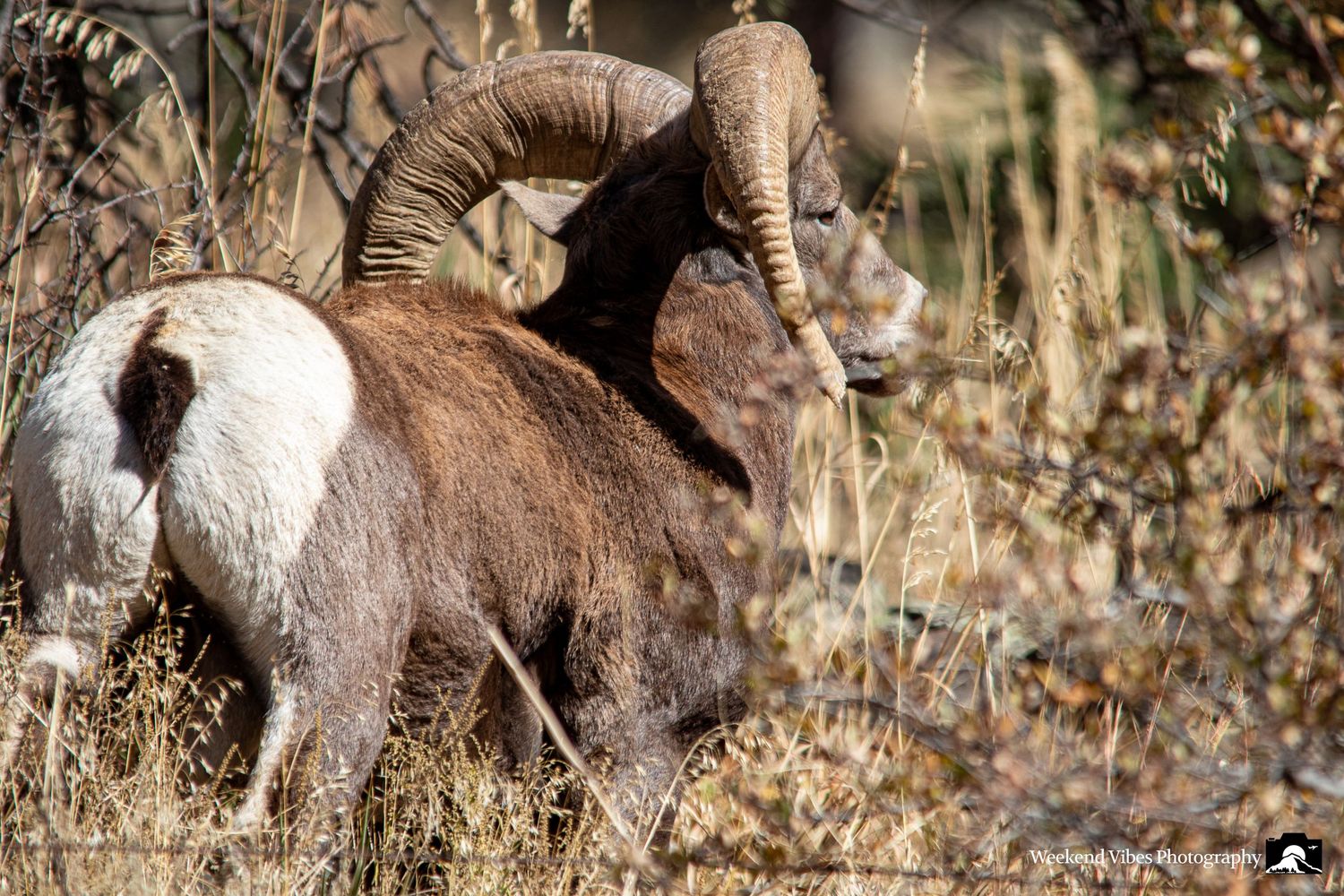
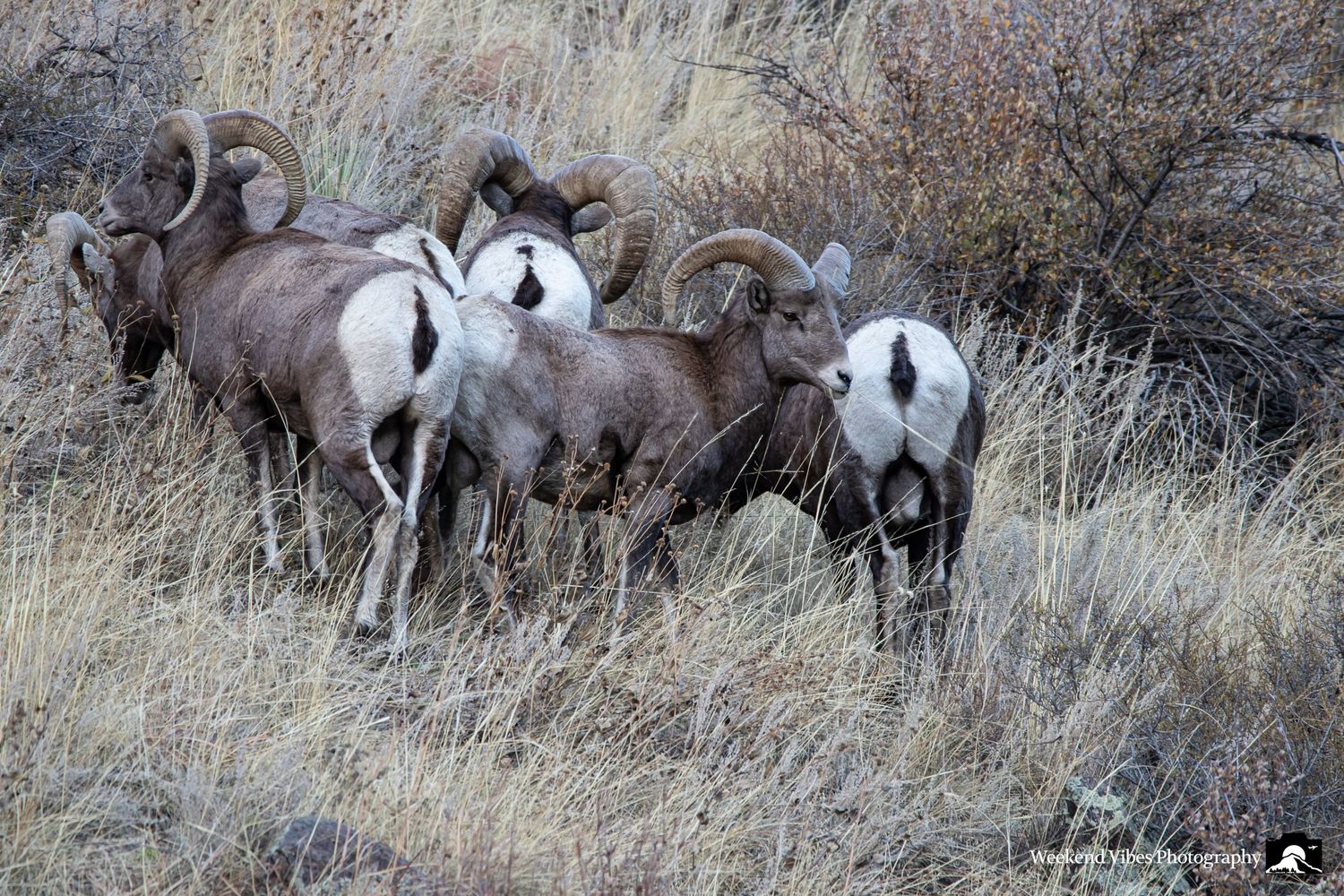
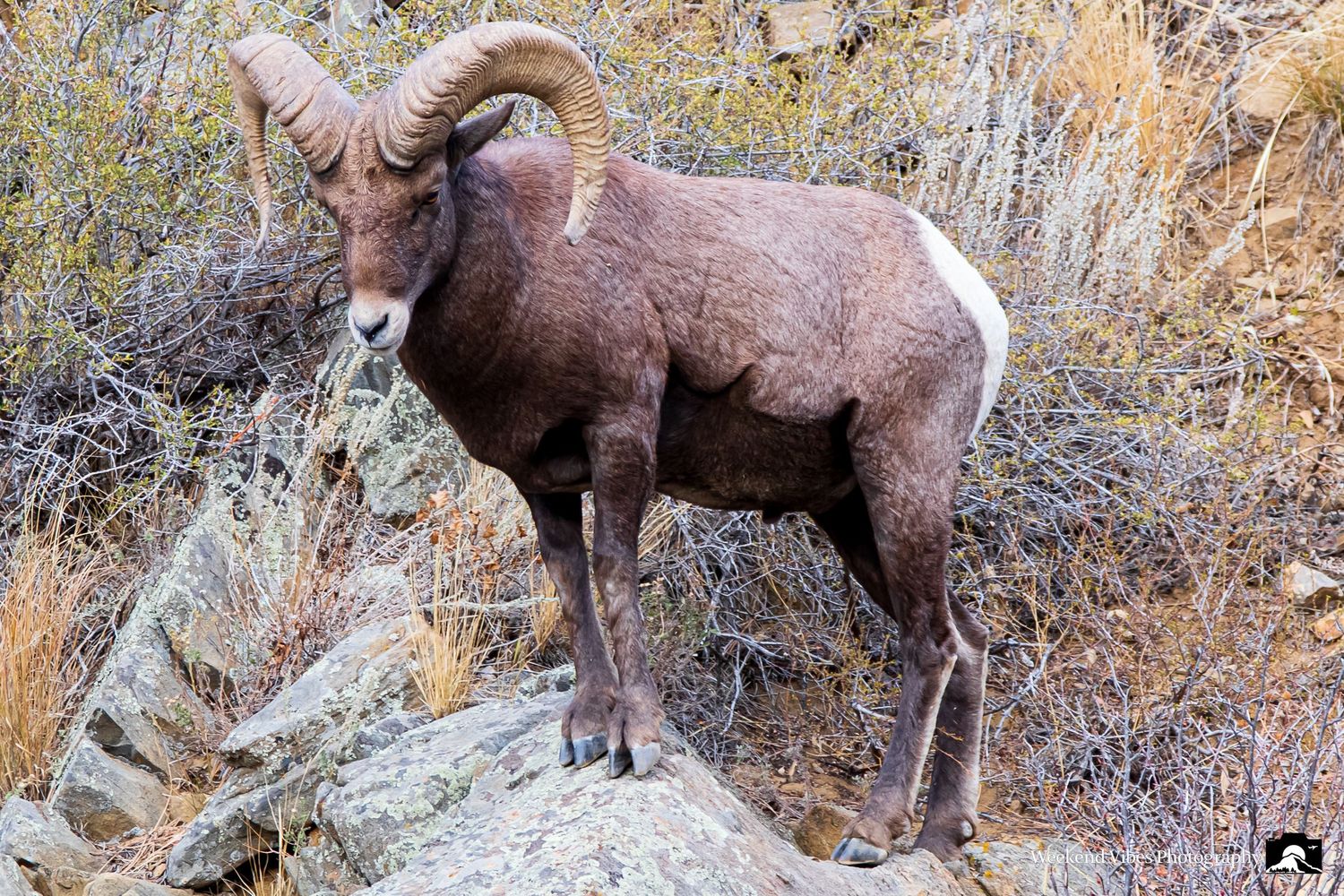
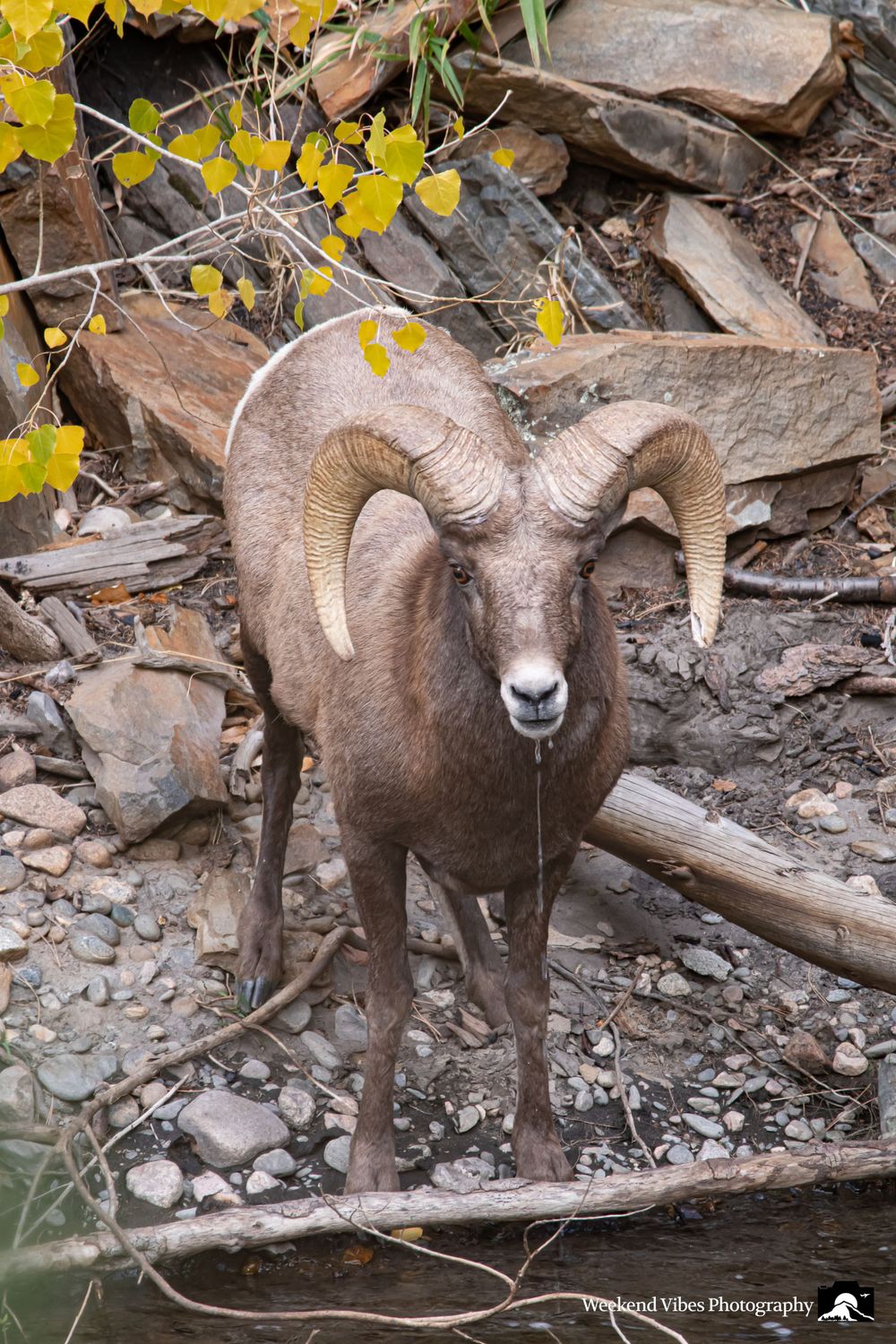
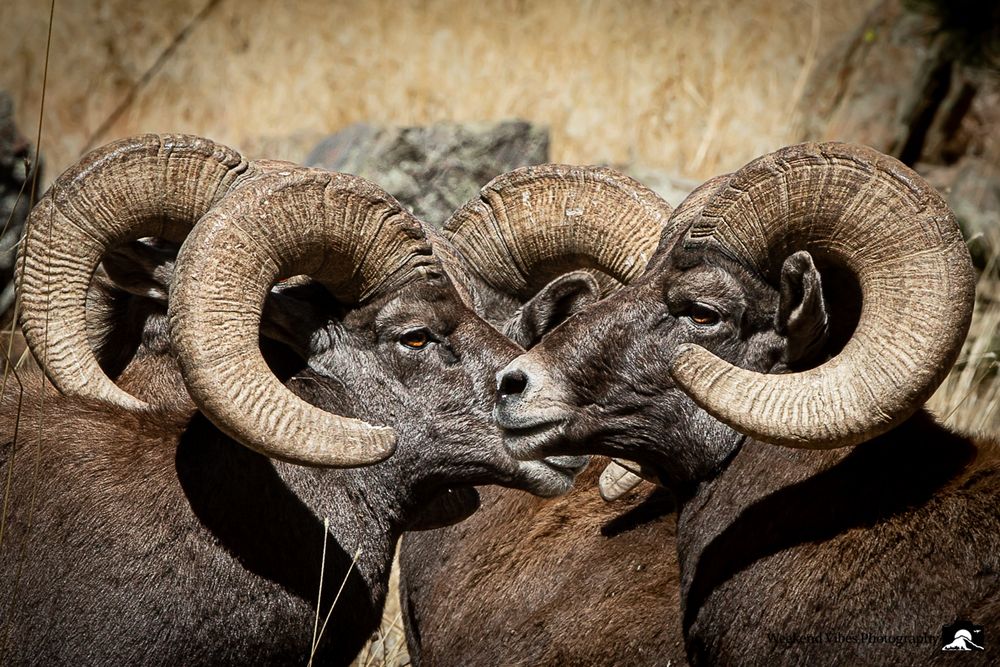
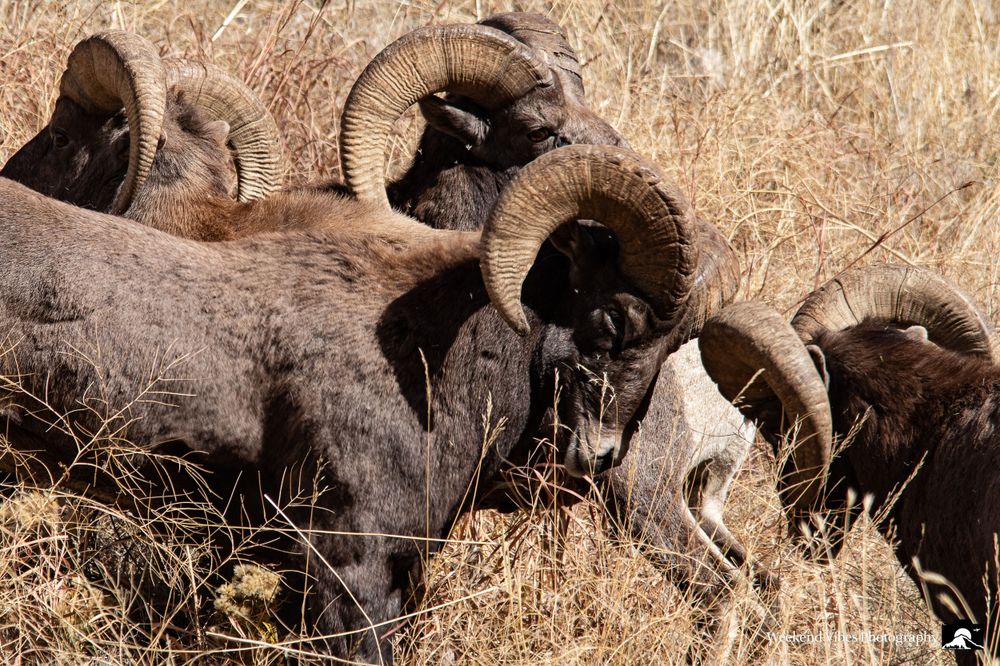
Bighorn sheep males are called rams and females are called ewes. You will usually see them in herds of anywhere from 5 to 15 and 20. Bighorn sheep can range in color from dark brown to a light brownish gray. All have those distinctive white butts!
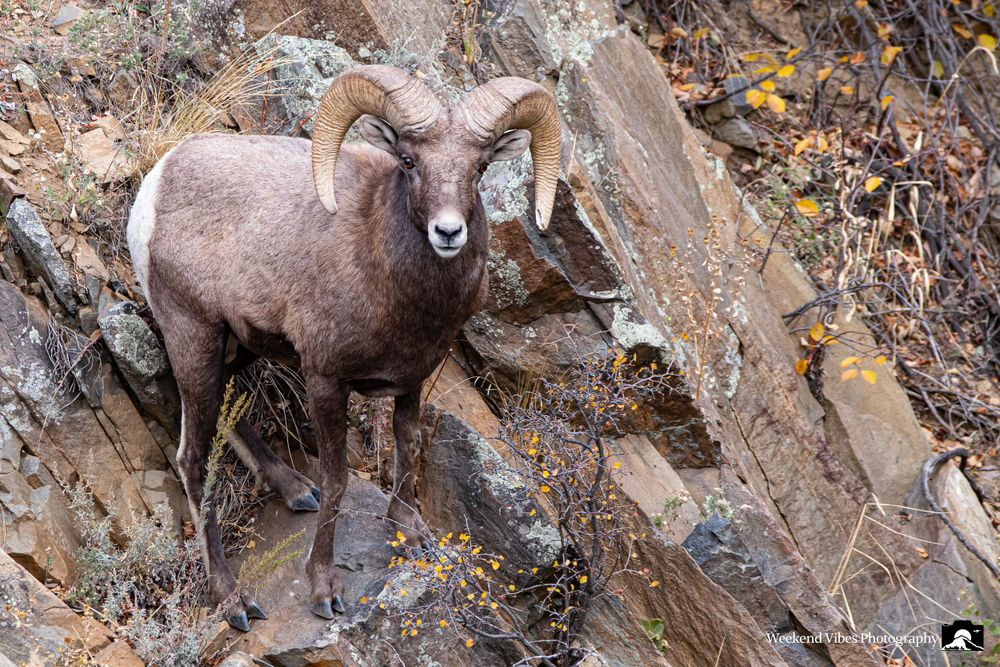
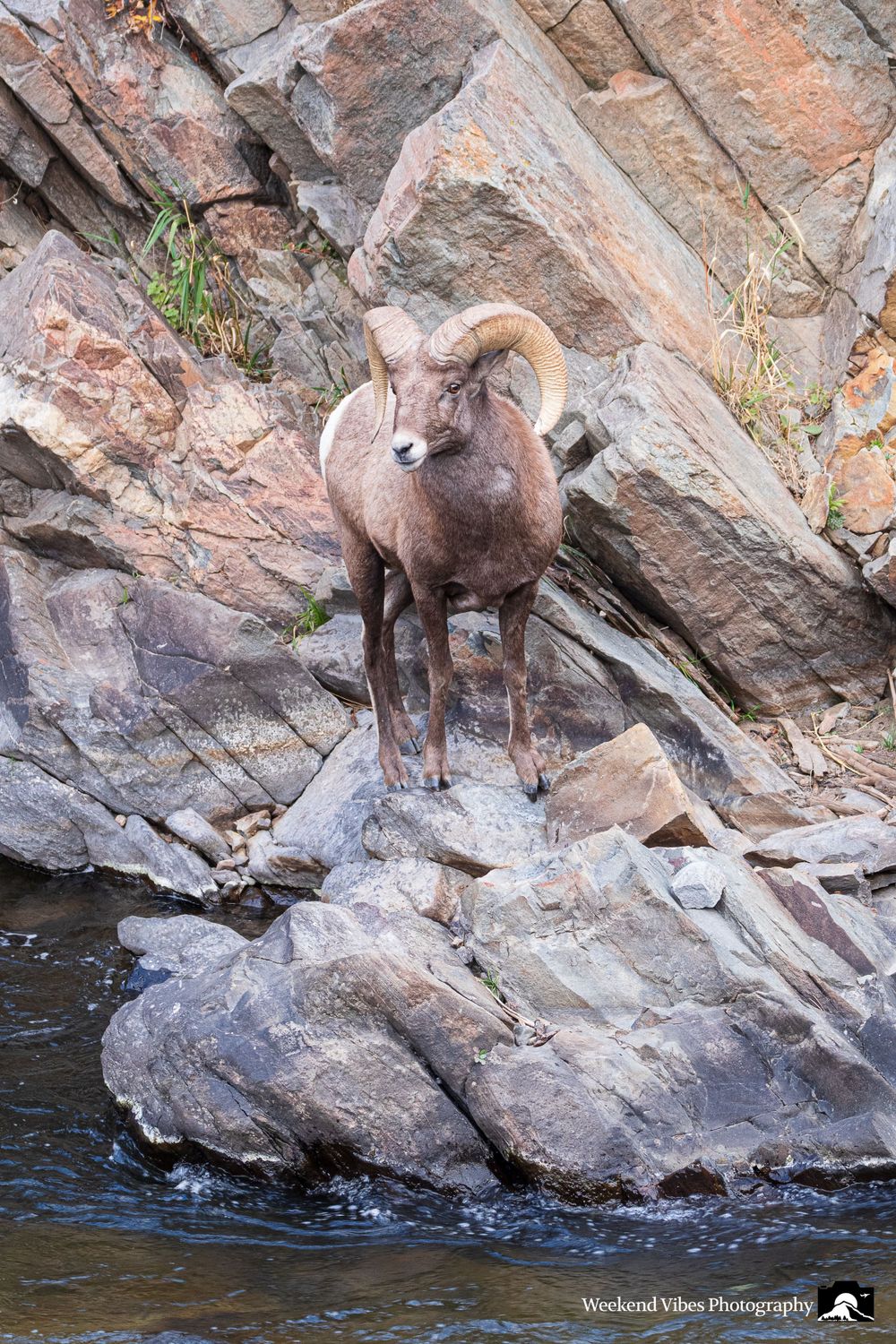
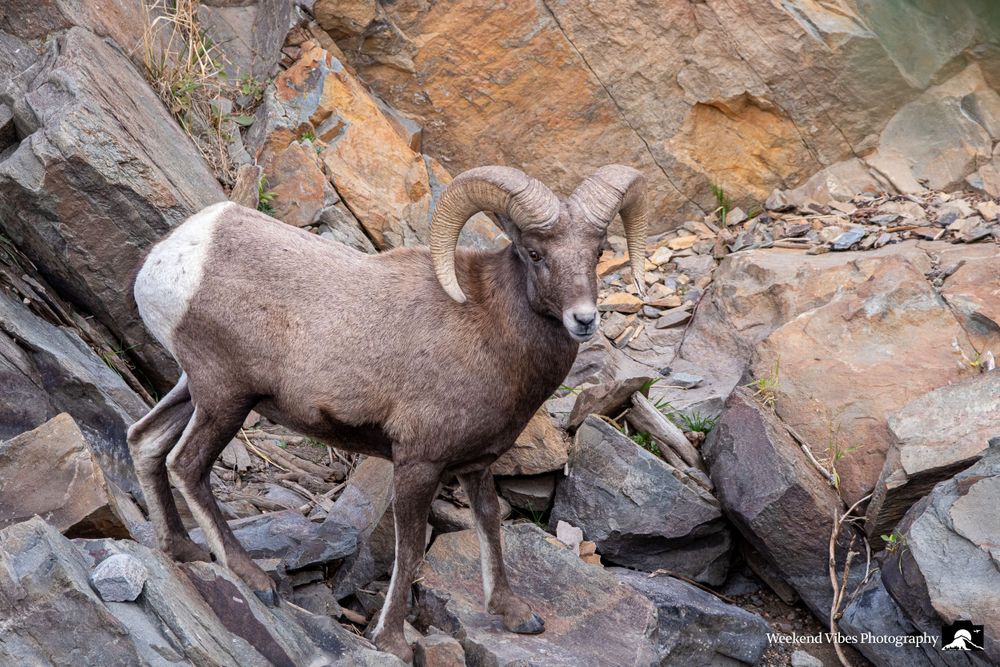
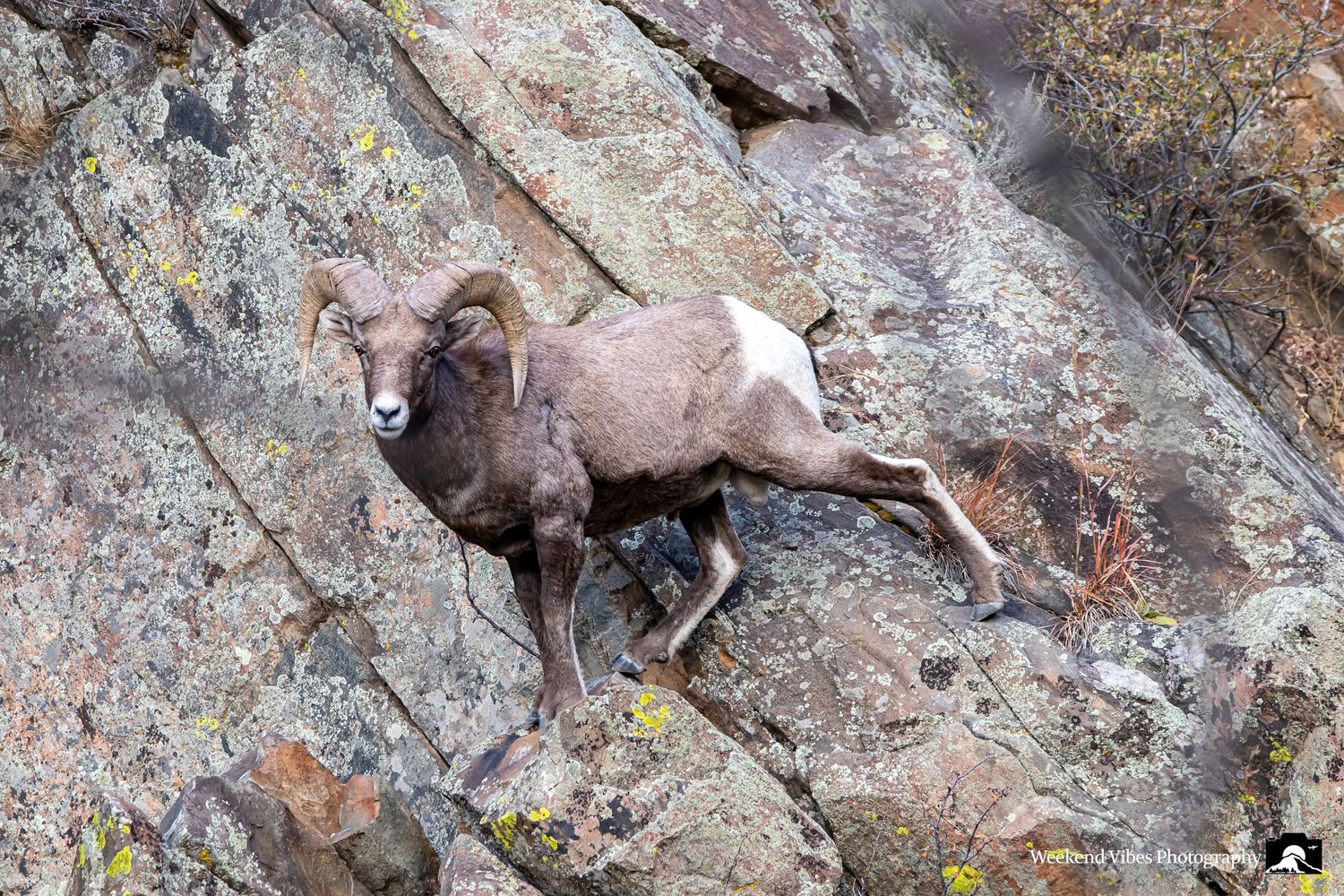
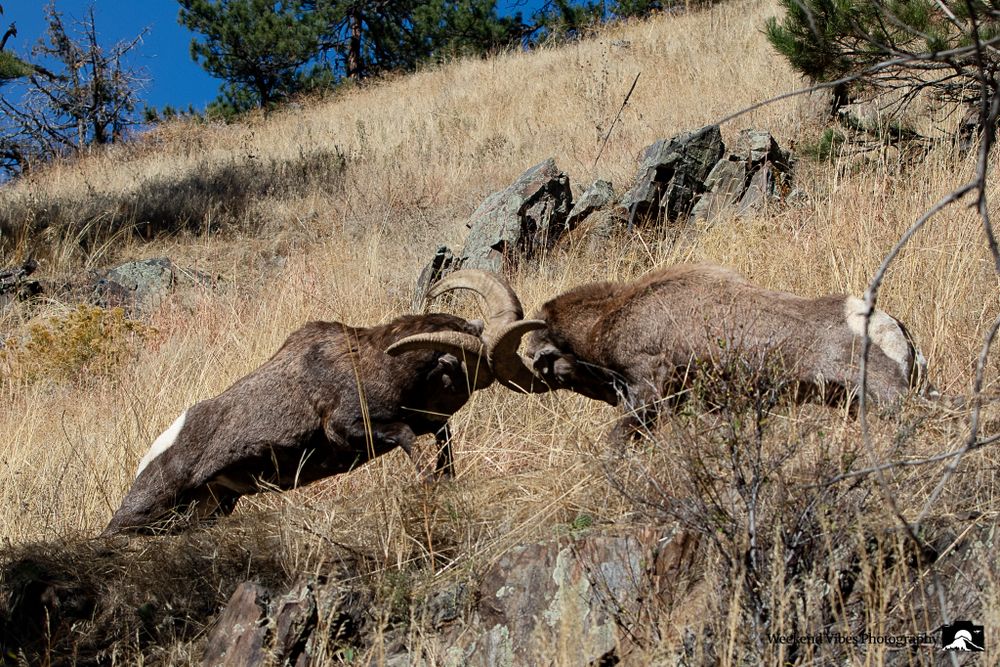
Something that is absolutely amazing to witness is the bighorn's ability to maneuver their terrain. Their hooves have a very hard outside that is perfect for digging into the ground or snow. The inside of their hooves is soft and spongy, allowing them to have excellent traction on the vertical rock faces they tend to favor. The rocky terrain and steep cliffs make it very difficult for predators to hunt these guys.
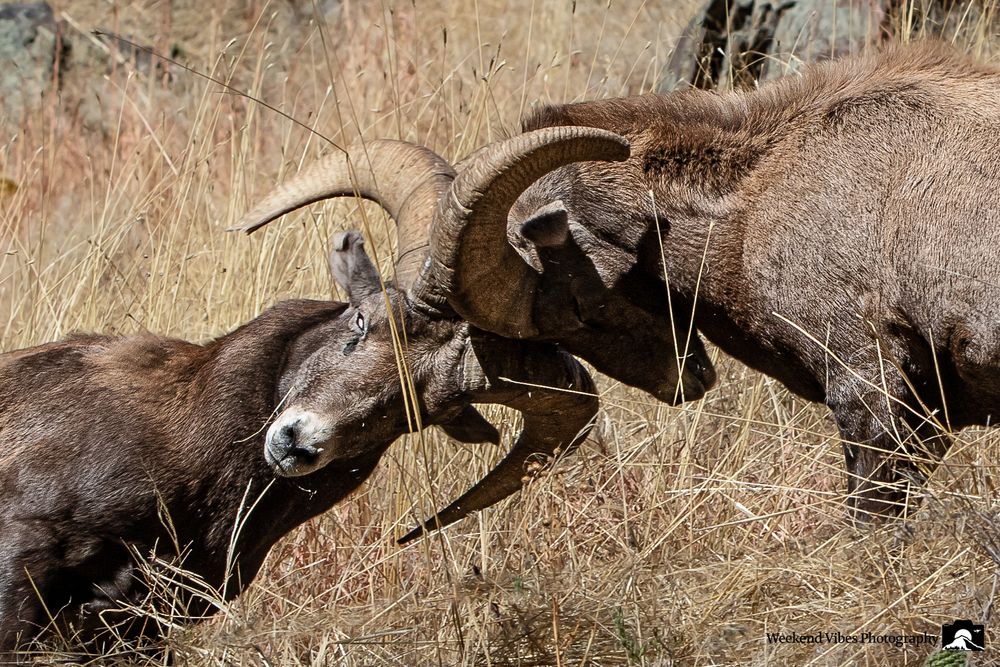
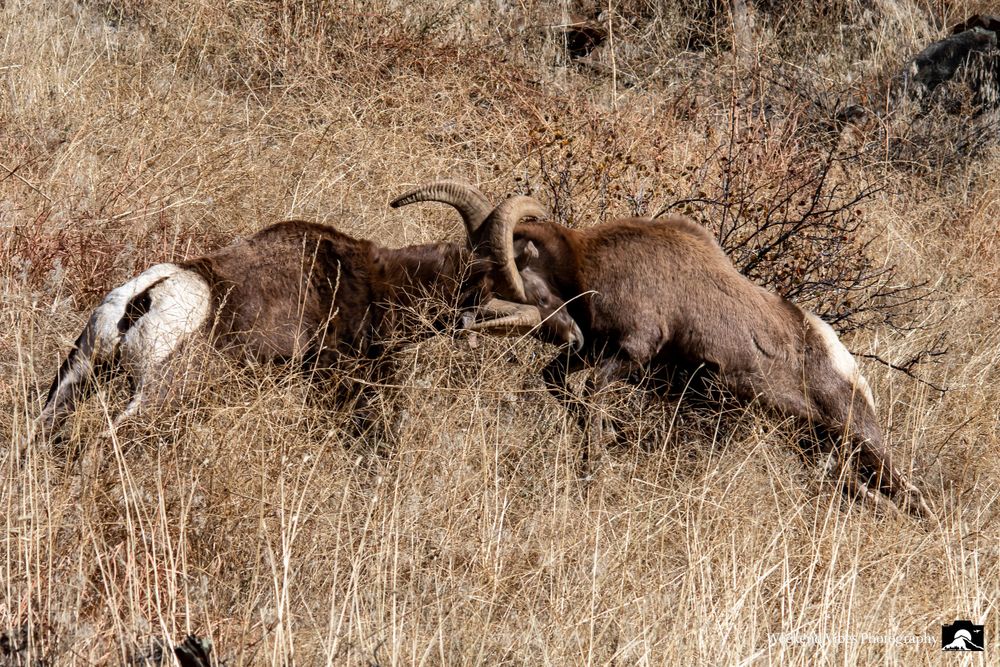
The male bighorn are called rams for a reason. During mating season, the rams can battle each other for as long as 24 hours straight. They face off and build speed before slamming into each other head first at speeds up to 40 mph and an estimated 900 pounds of force!
The sound of this impact can be heard cracking through the air for up to a mile away!
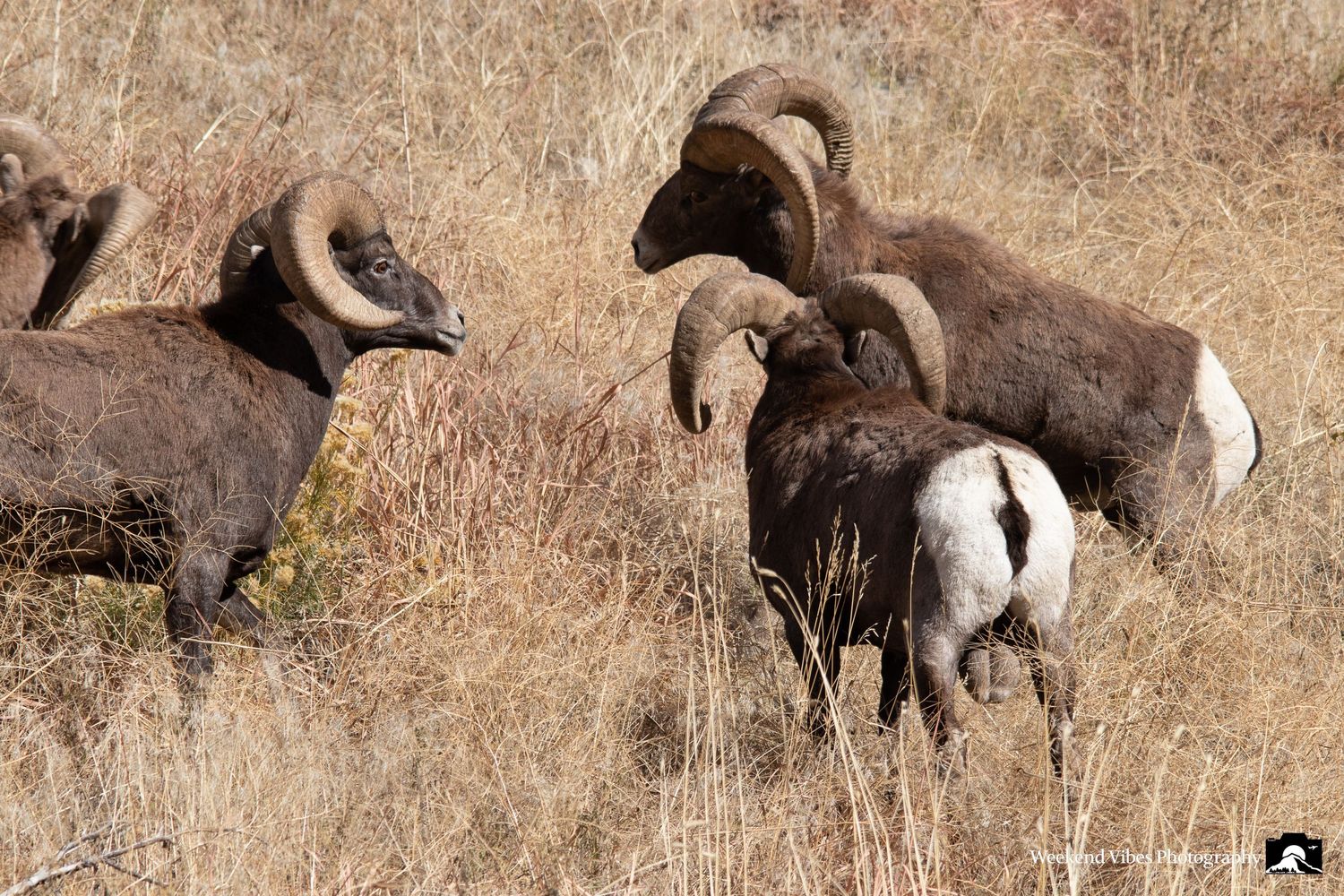
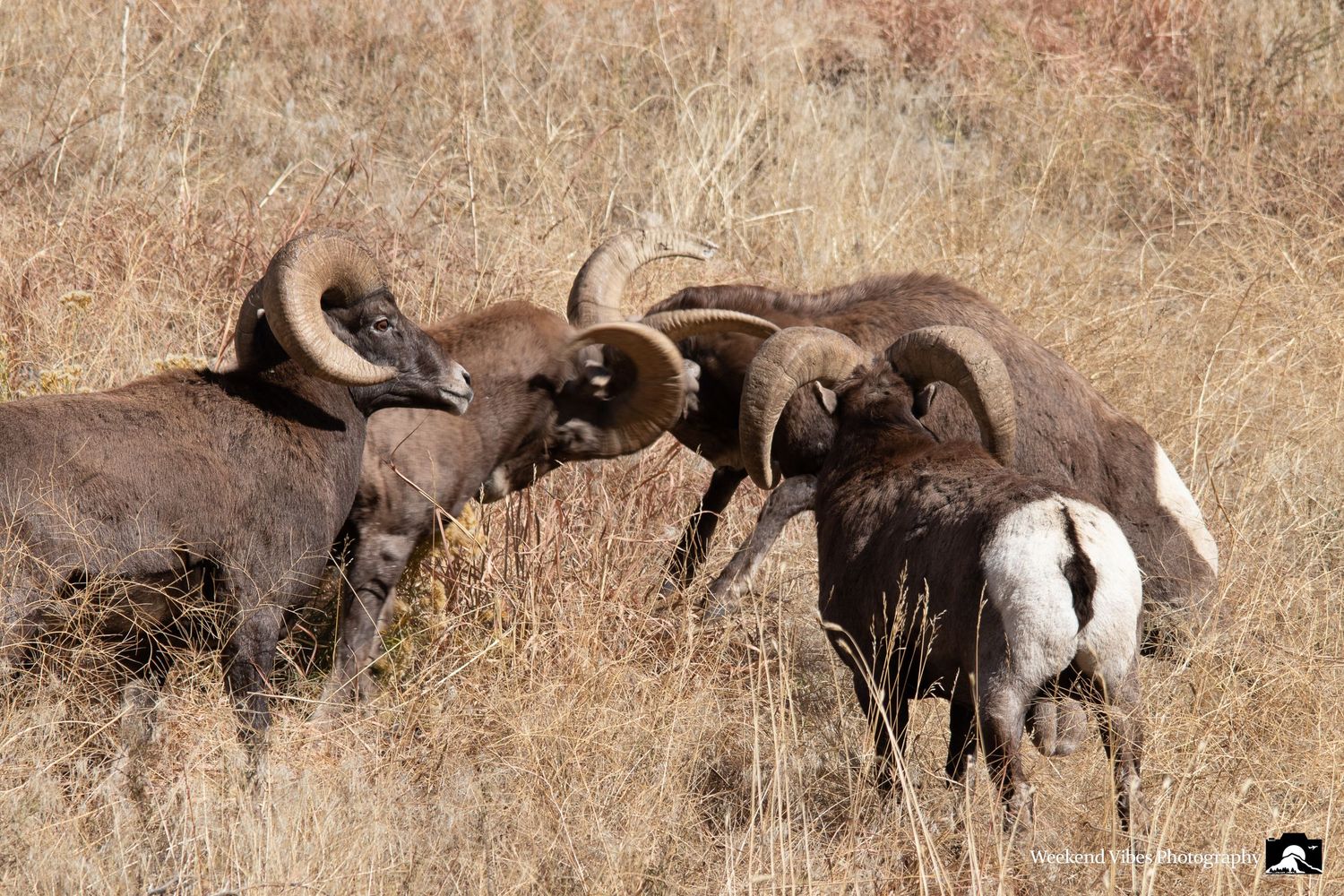
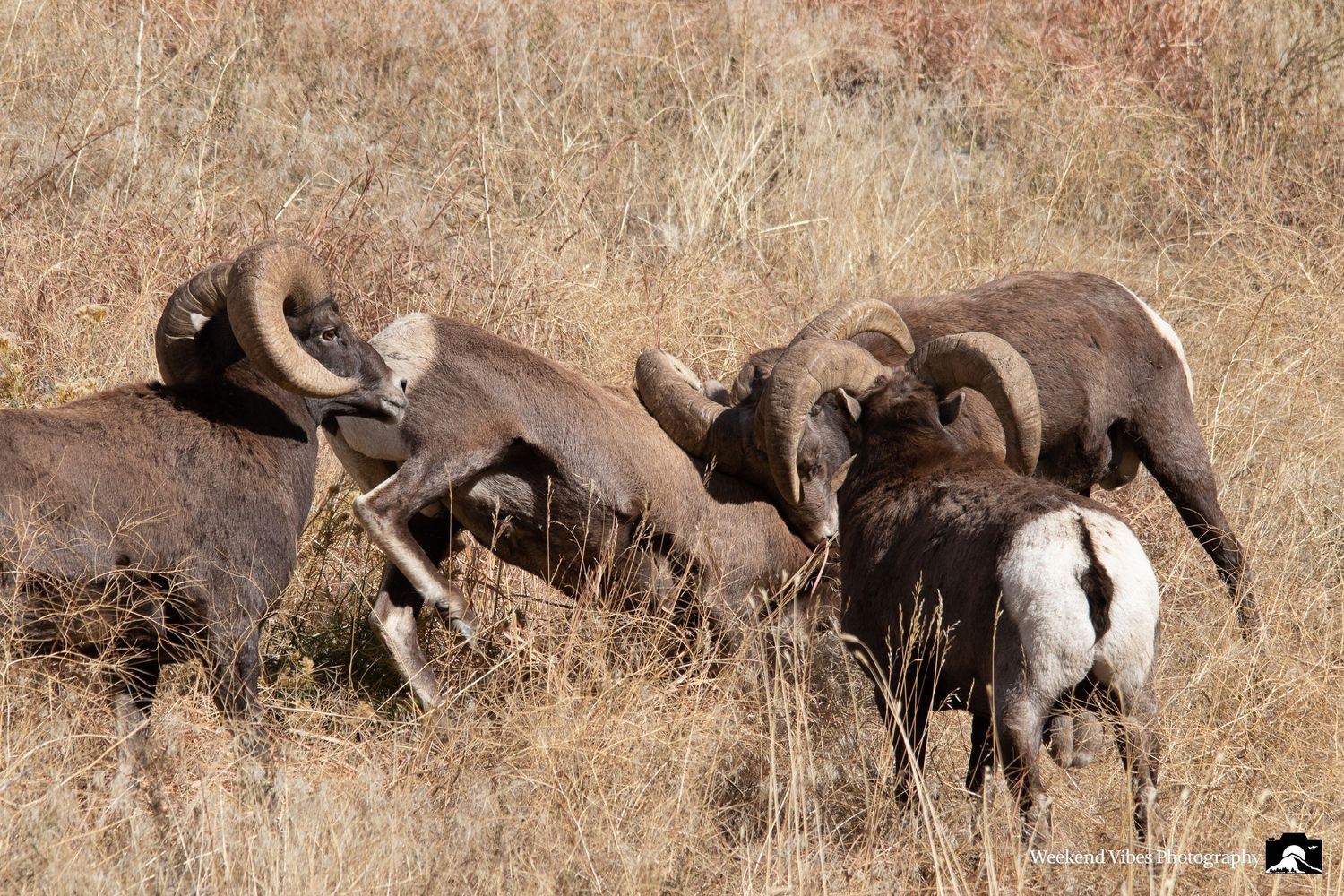
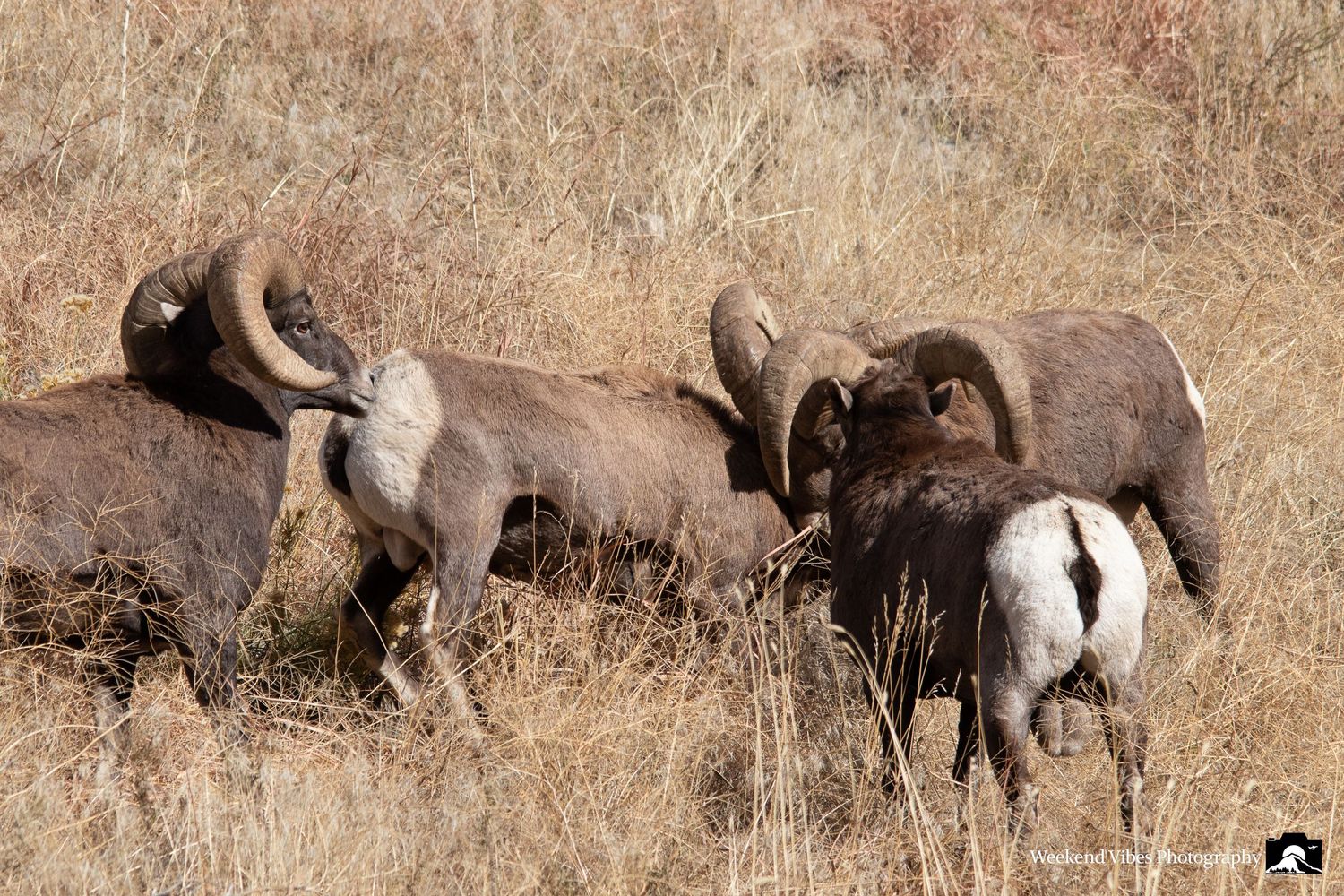
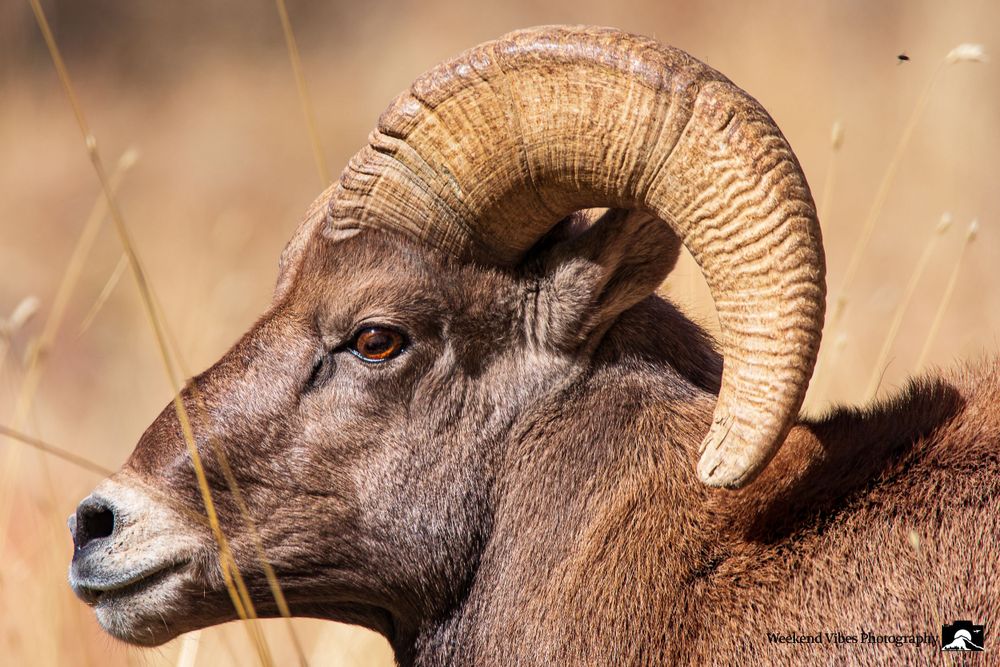
The bighorn absorb the impact of repeated ramming due to their skull and horn structure. Their horns differ from antlers, which are 100% bone. The horns are made up of a bone core surrounded by keratin. Unlike antlers, bighorns never shed their horns. You can determine which ram in a group is the oldest by the size, thickness, and curl of its horns. At the base of their horns is a thick portion of bone. Their skull has a honeycomb pattern that allows for absorption of impact.
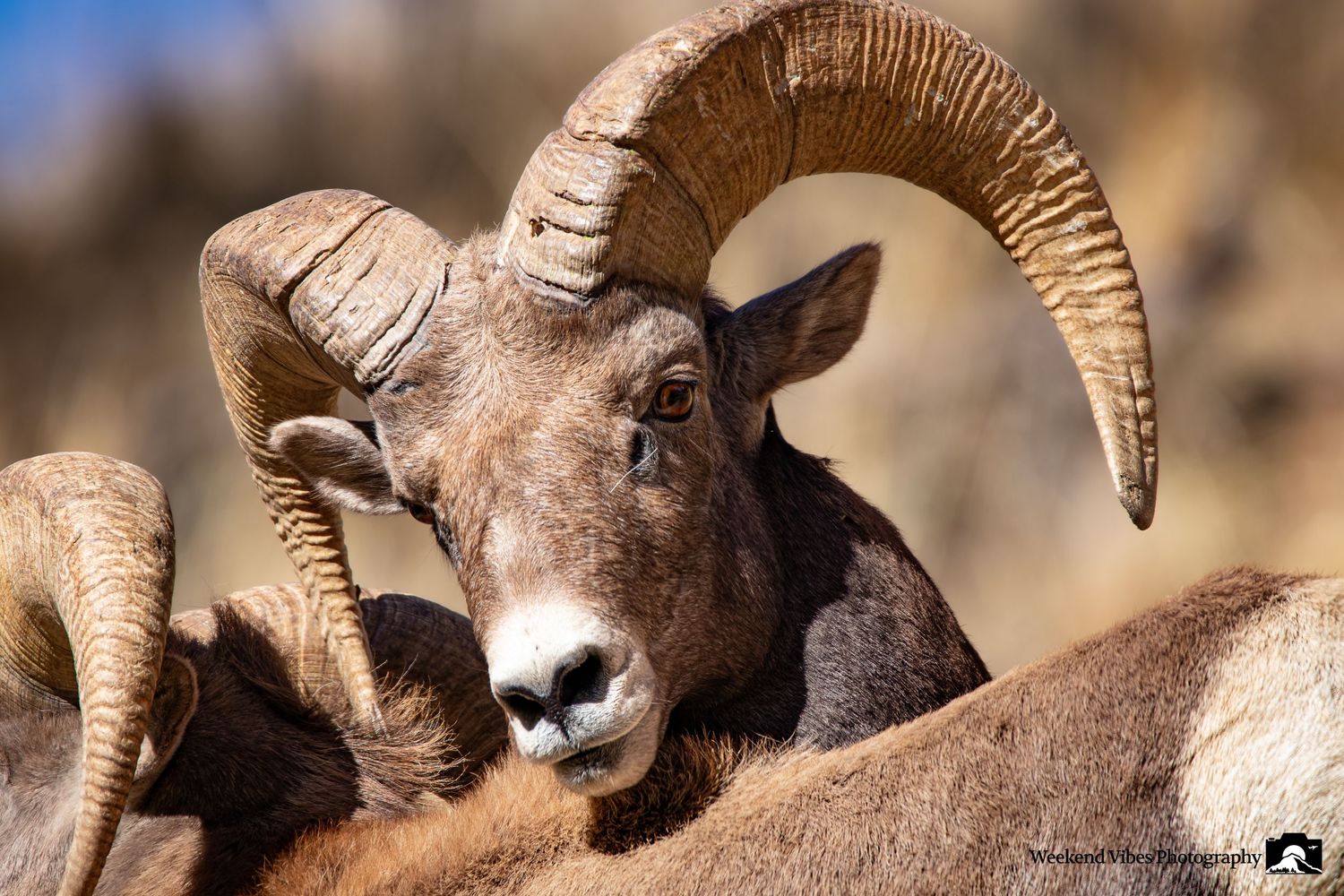
It isn't just the rams that engage in battle with each other. The ewes do as well! For example, one will approach another one that is laying down and repeatedly kick her until she gets up and engages in a little battle.
The rams battle over who gets the girl.
As far as I can tell, the ewes battle over who gets the coziest spot to lay down...priorities.
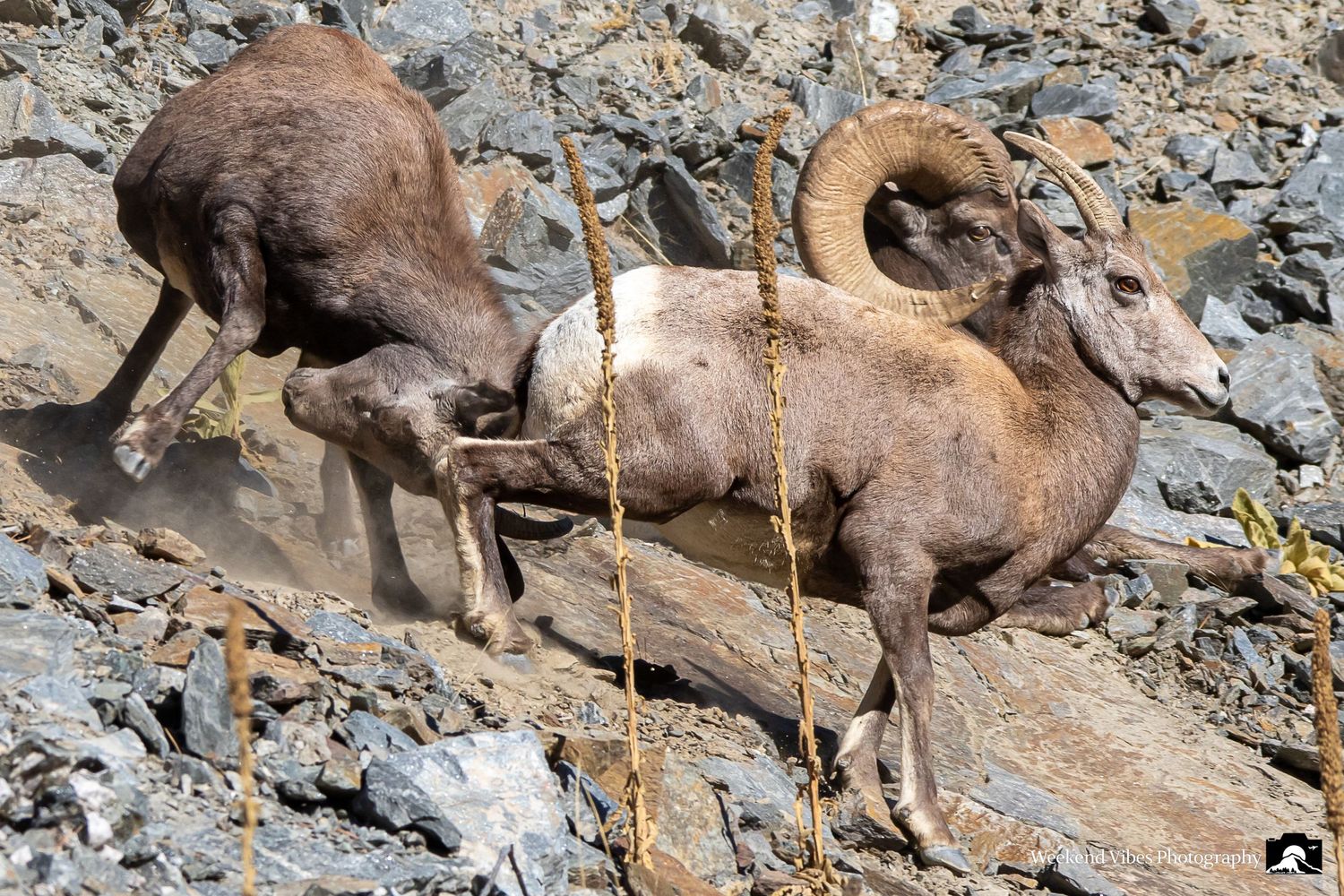
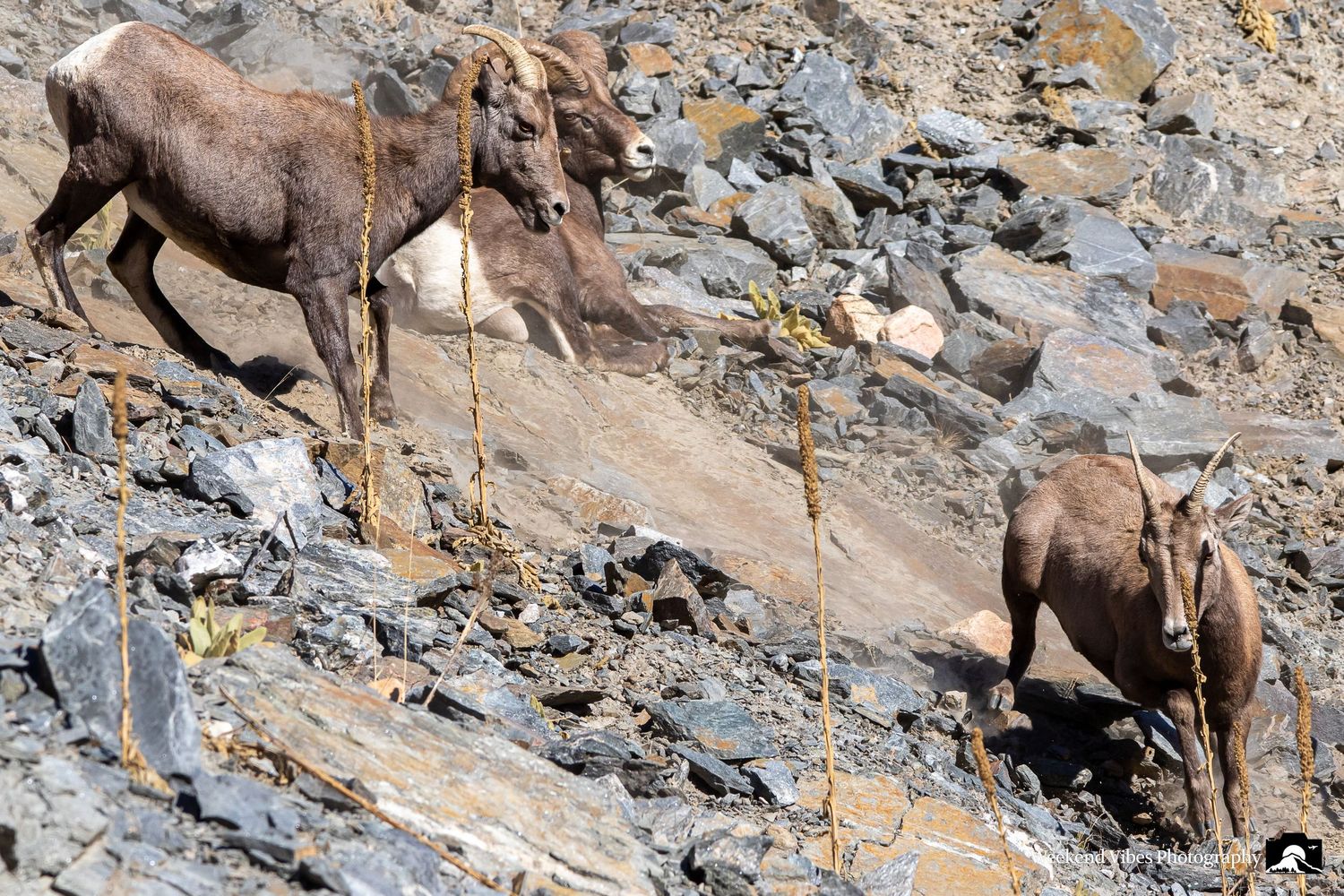
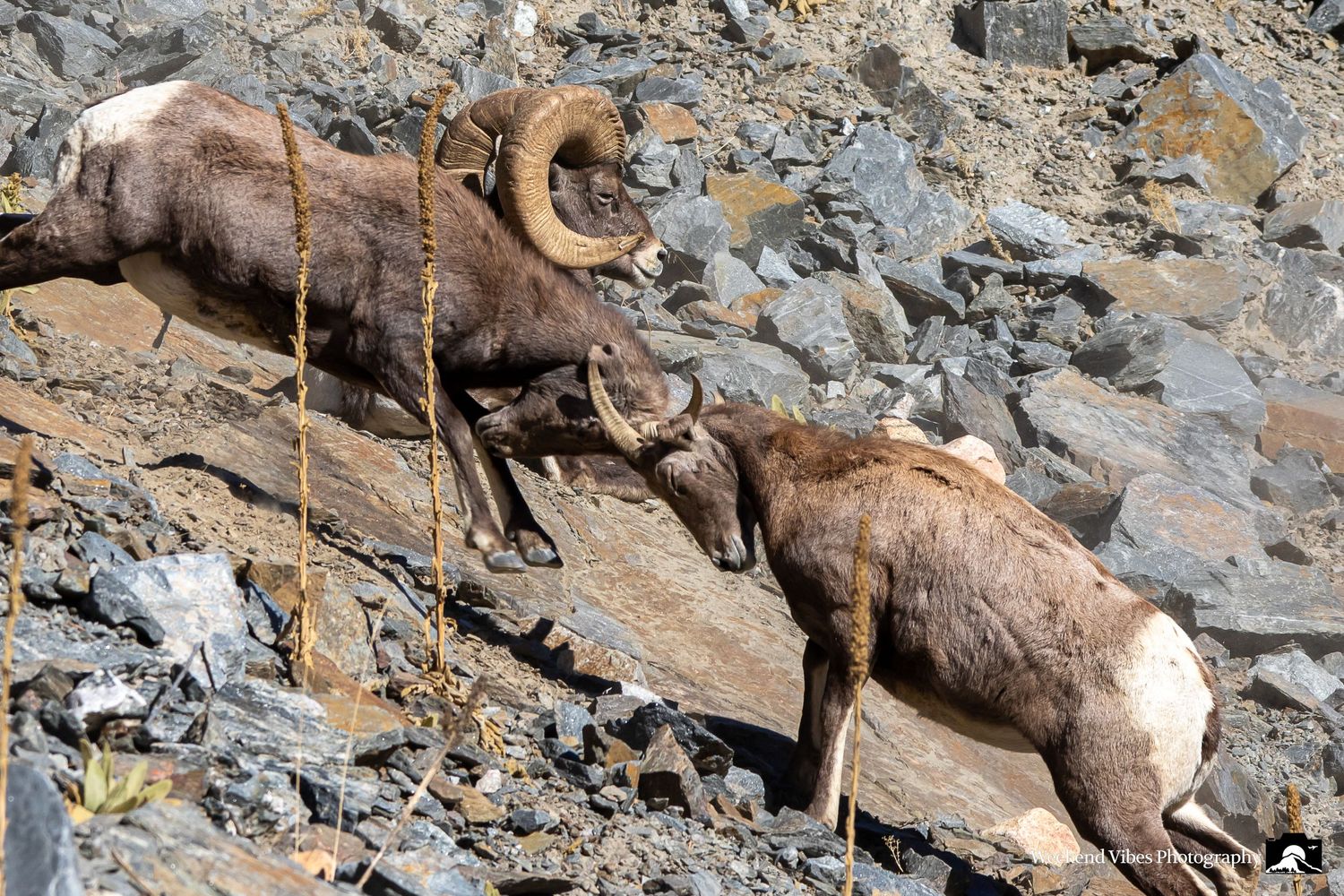
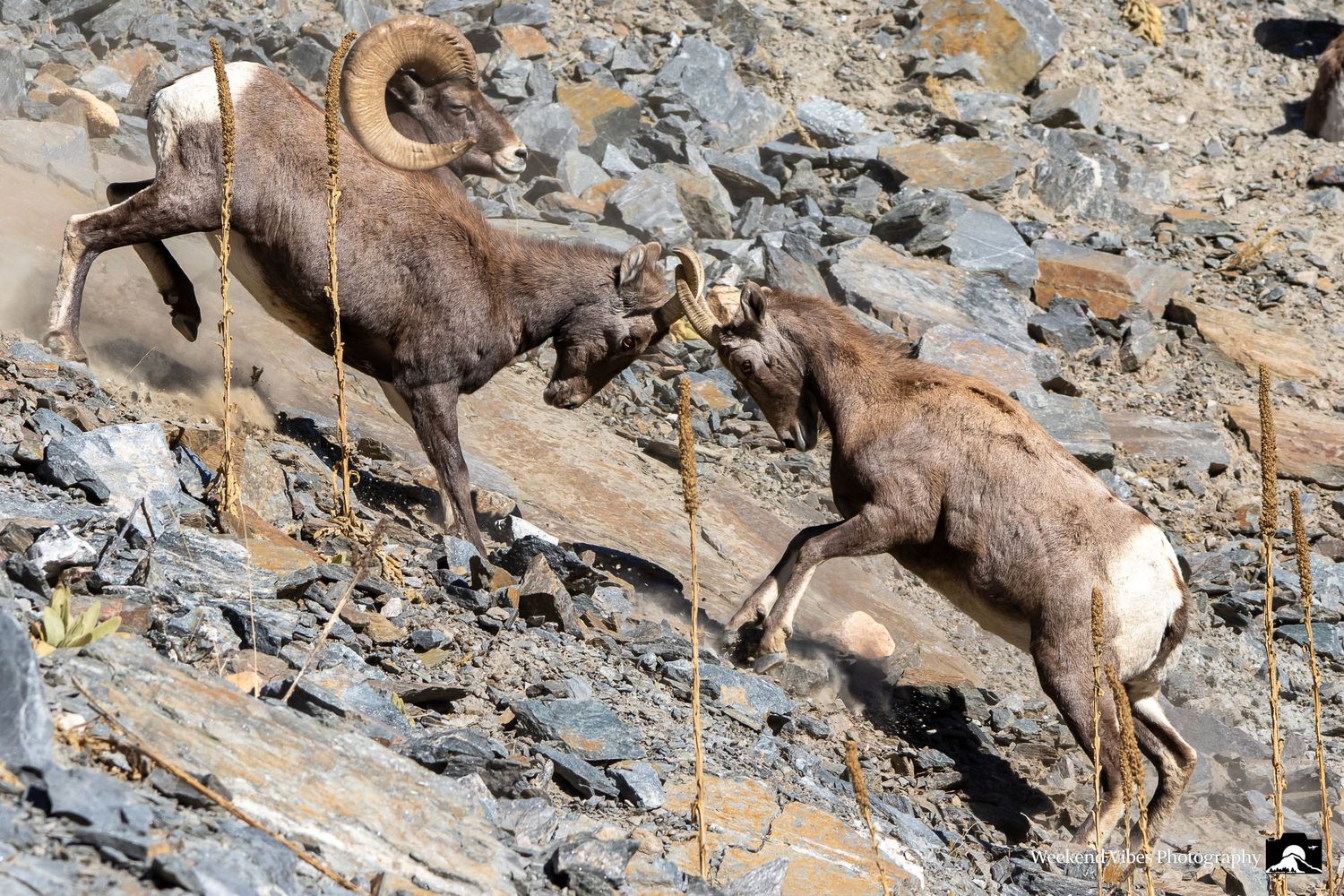
How cute are these ewes?!
The rams think they are too.
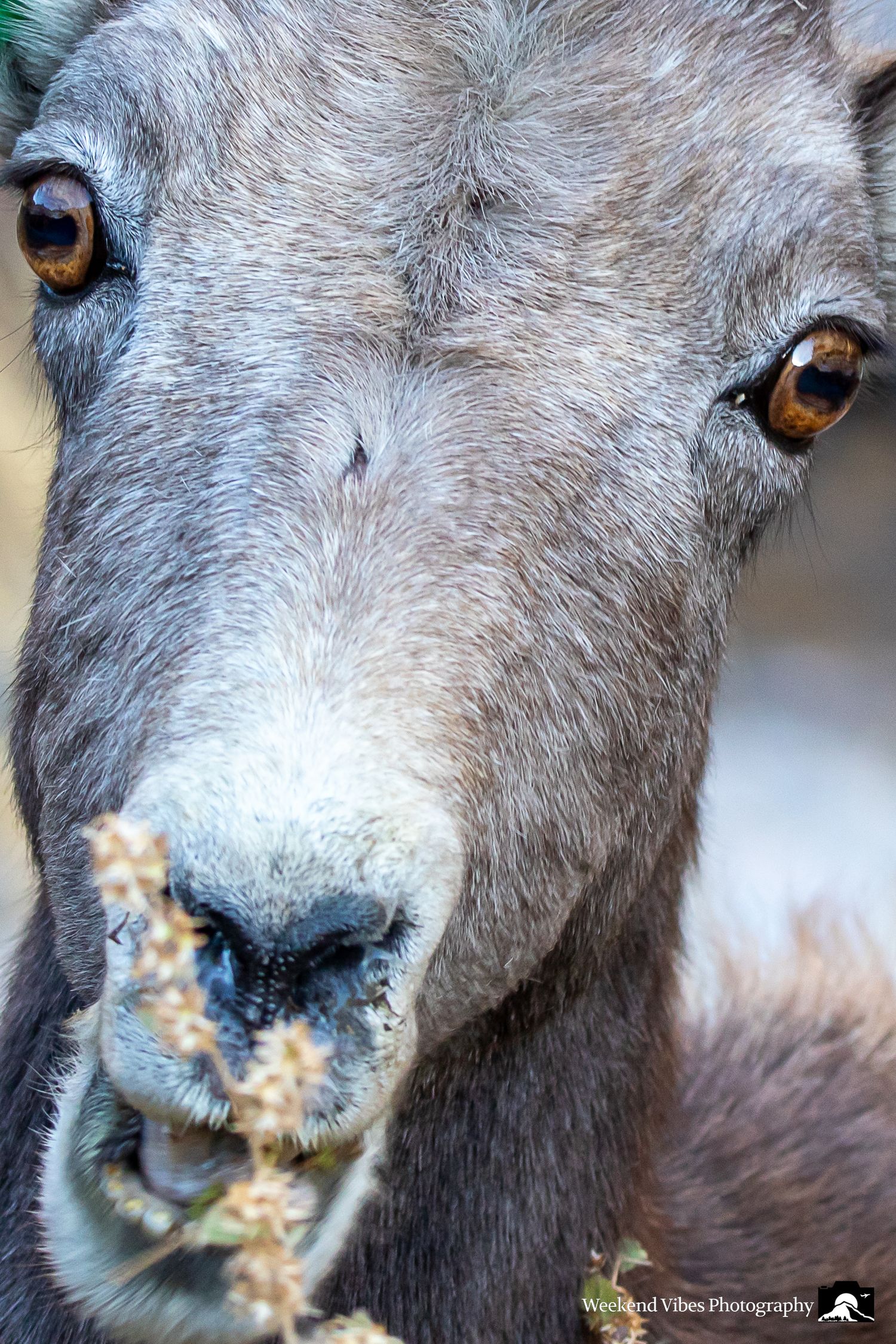
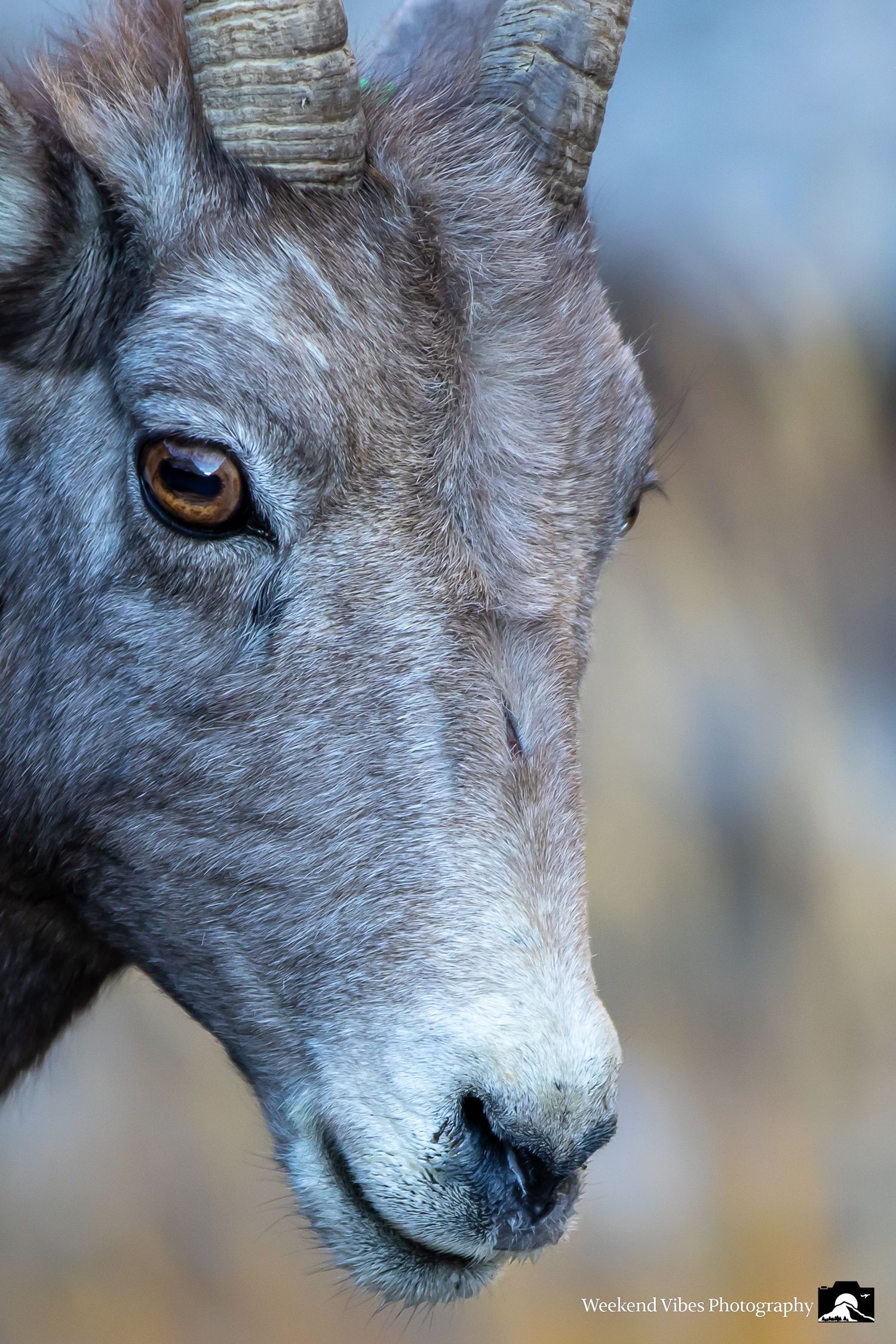
Ewes typically give birth to a single lamb and favor areas that are difficult for predators to traverse. Lambs are born with horn buds, as both male and female bighorn grow horns. Lambs are able to walk and climb within a day or two of birth.
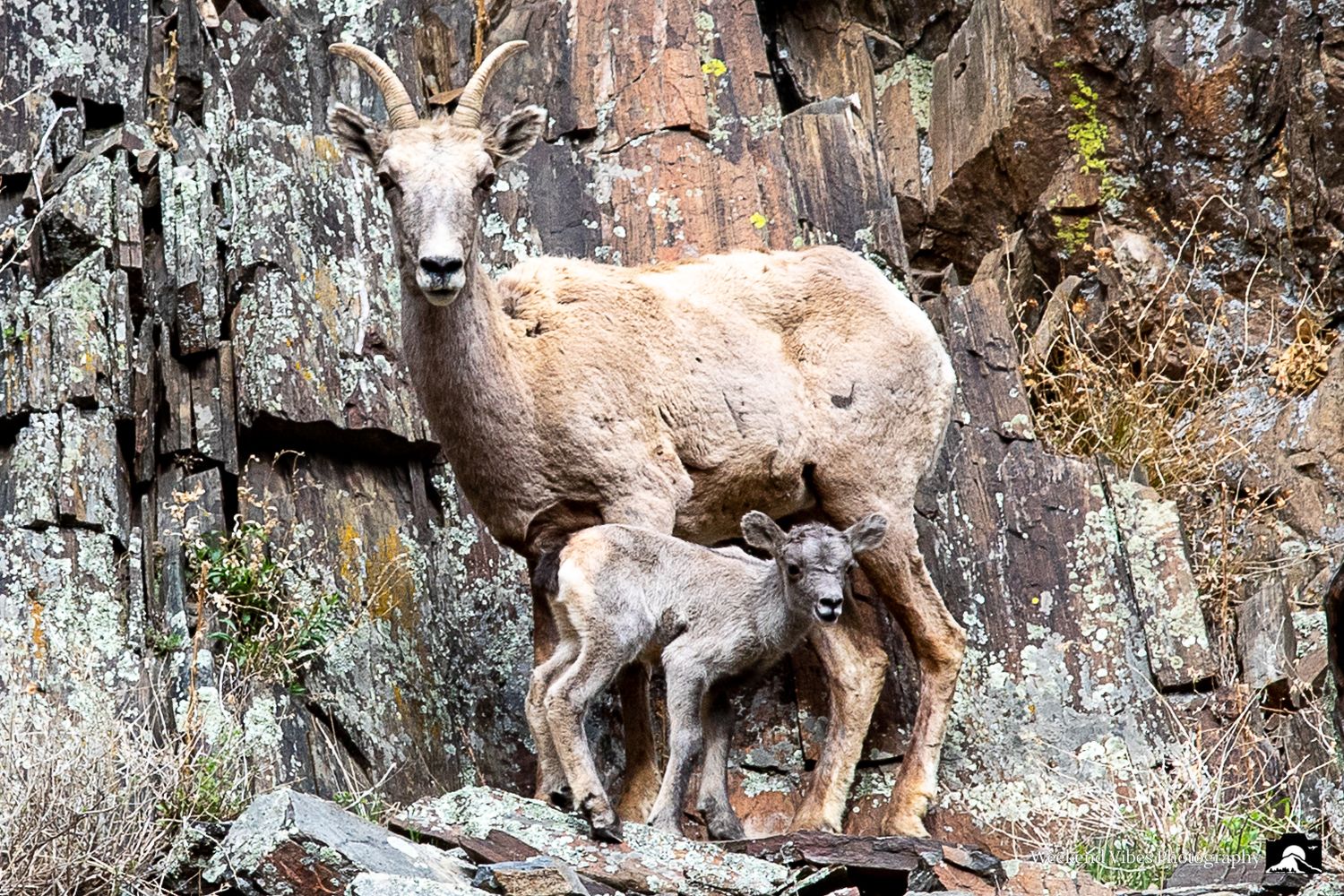
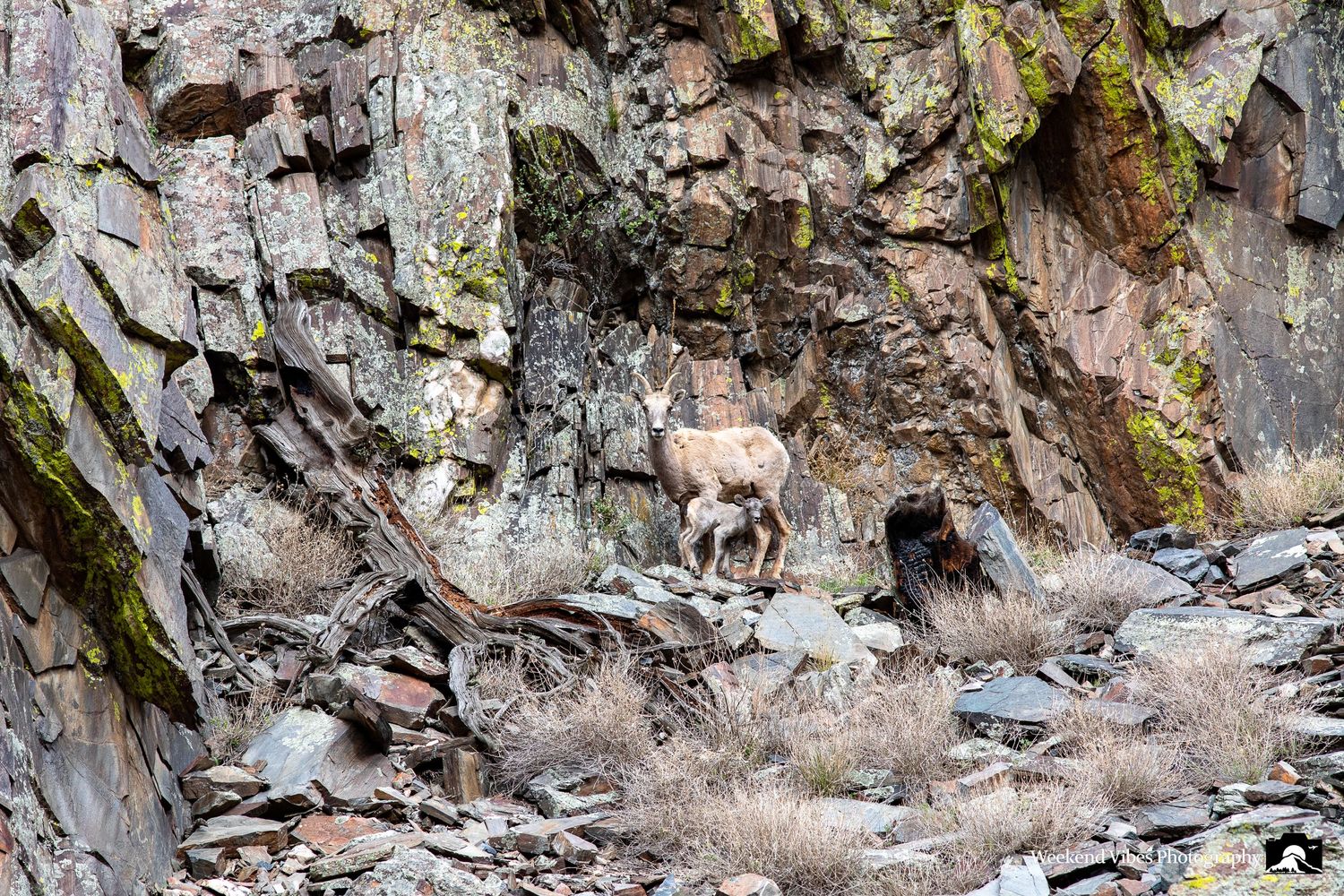
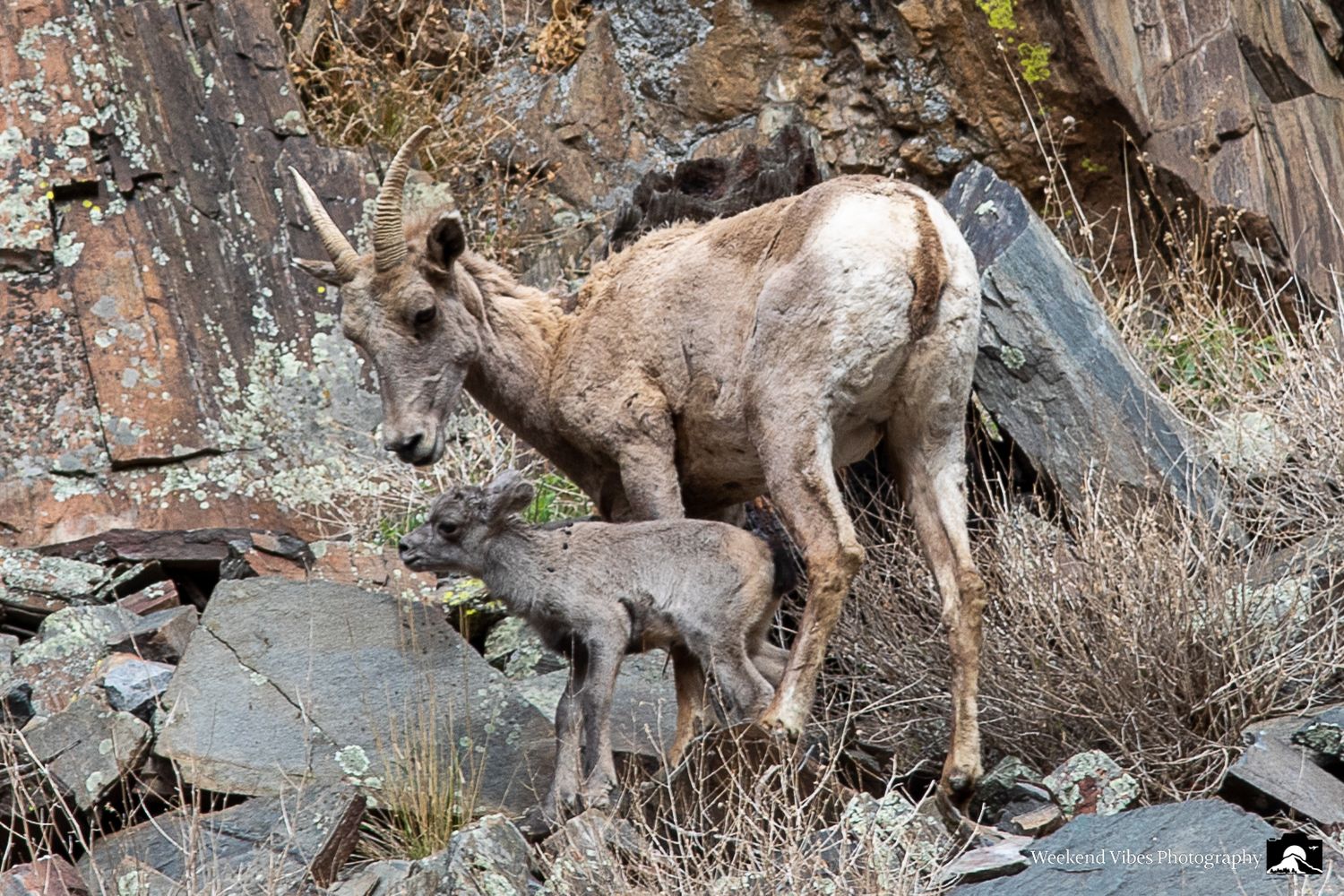
Ewes and lambs live in herds on their own, really only interacting with rams during the mating season. Male lambs stay with the herd until they are between 2-4 years of age, at which point they will leave and find a herd of rams to join.
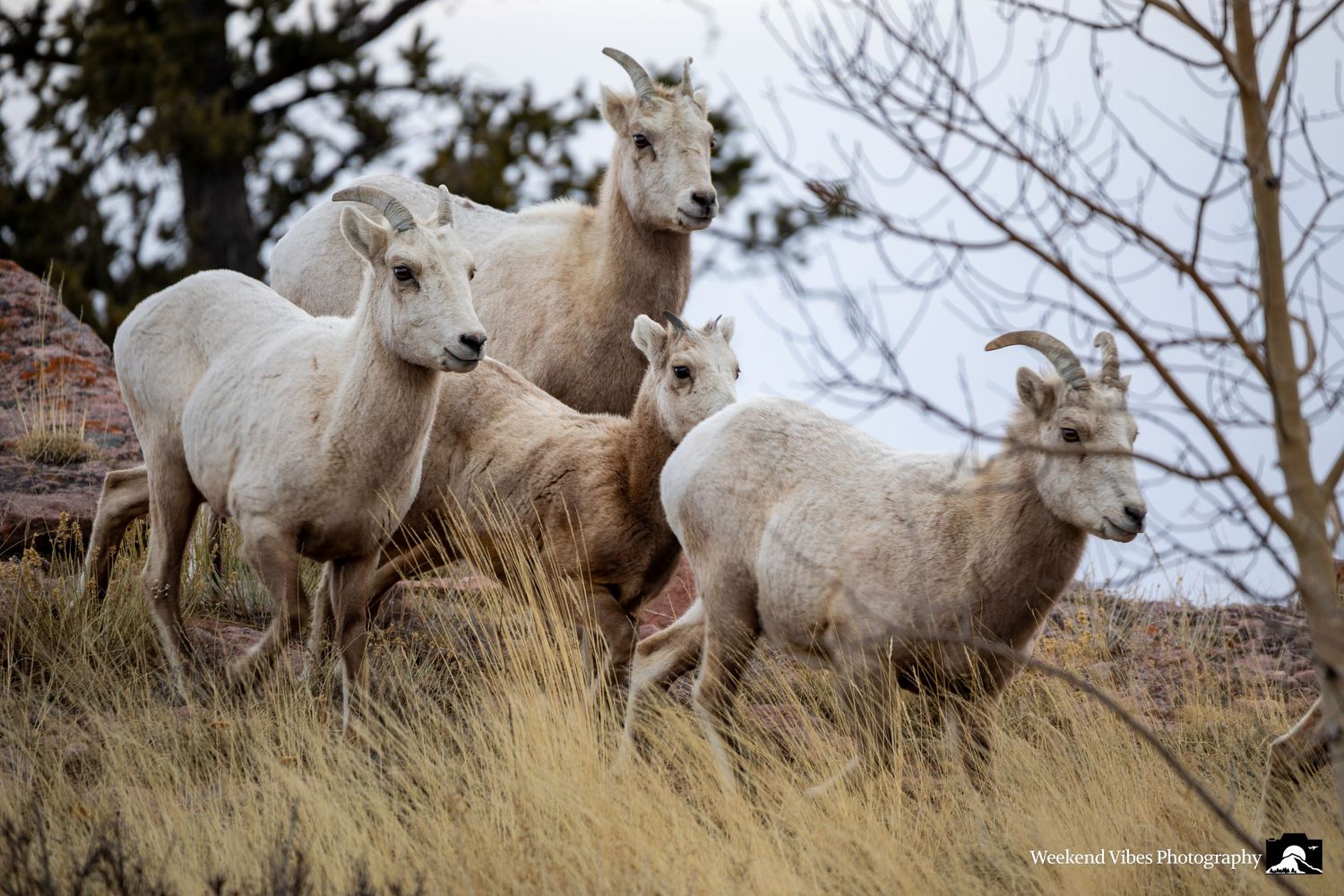
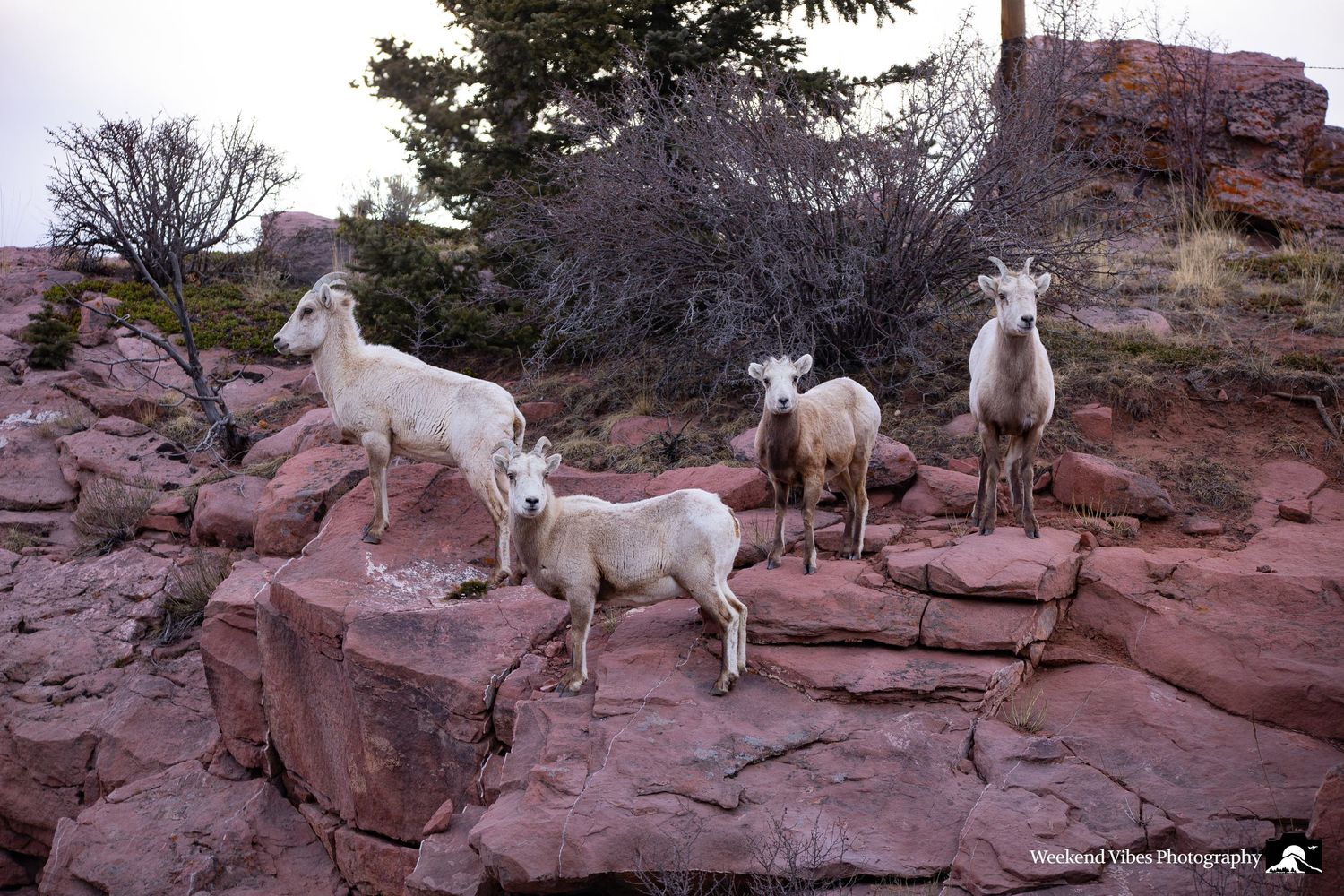
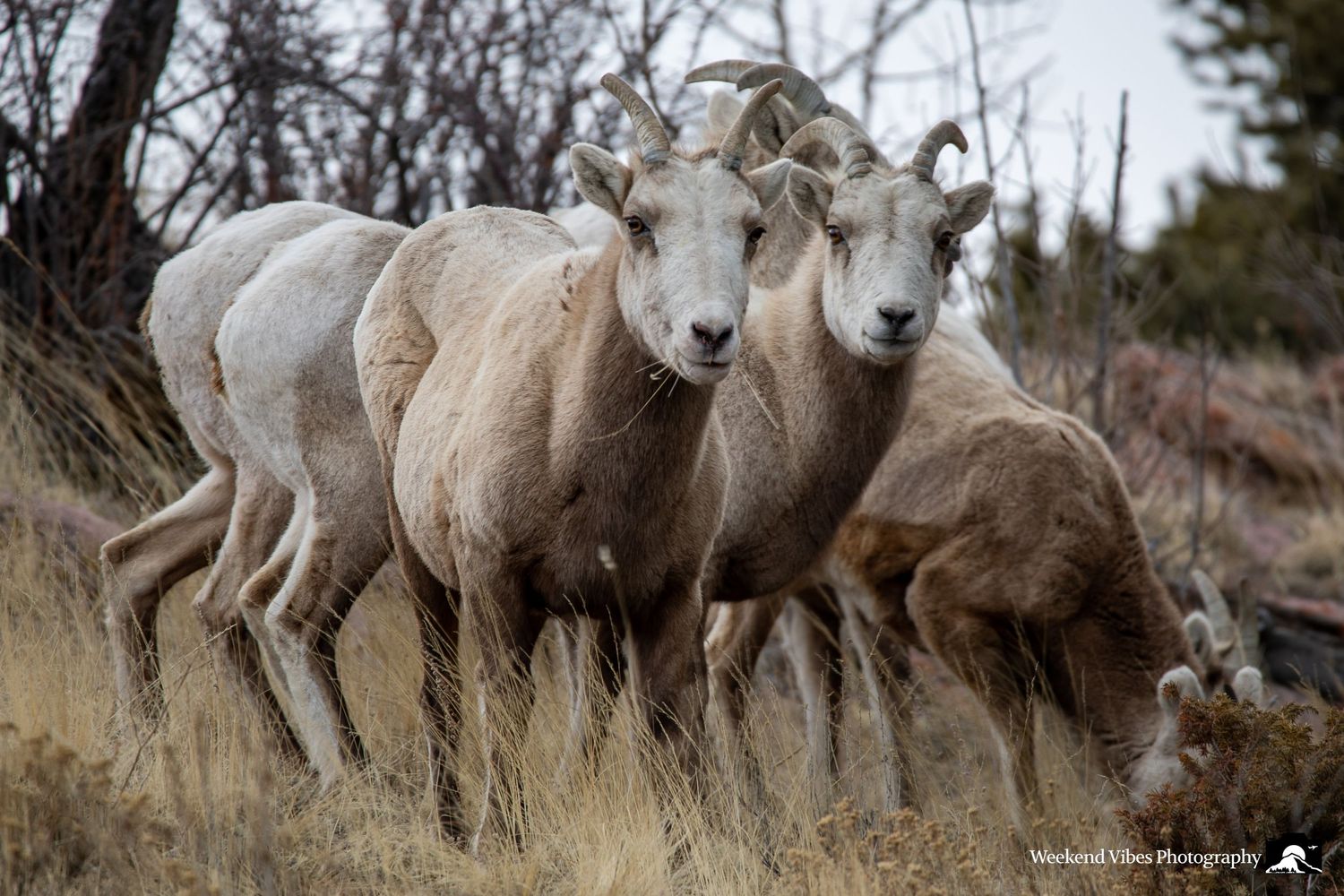
Mating season usually begins late October and can go through early January in Colorado. It's a time when the rams pursue the ewes amid constant battles with each other. Drivers need to be careful during this time as the bighorn are laser focused on each other with no regard for anything else. After the rut (mating season) is over, the rams will herd up on their own and catch the ladies next year!
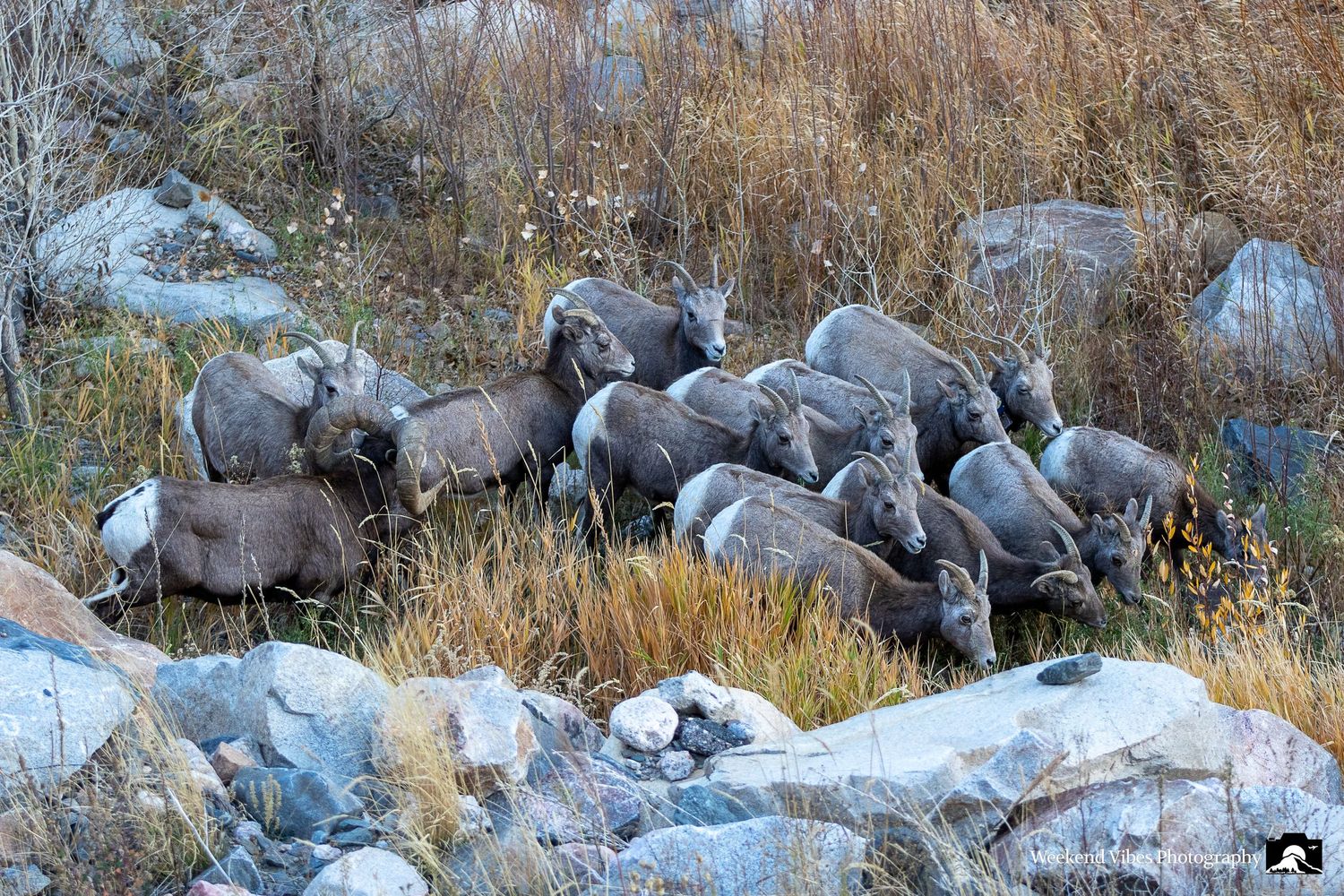
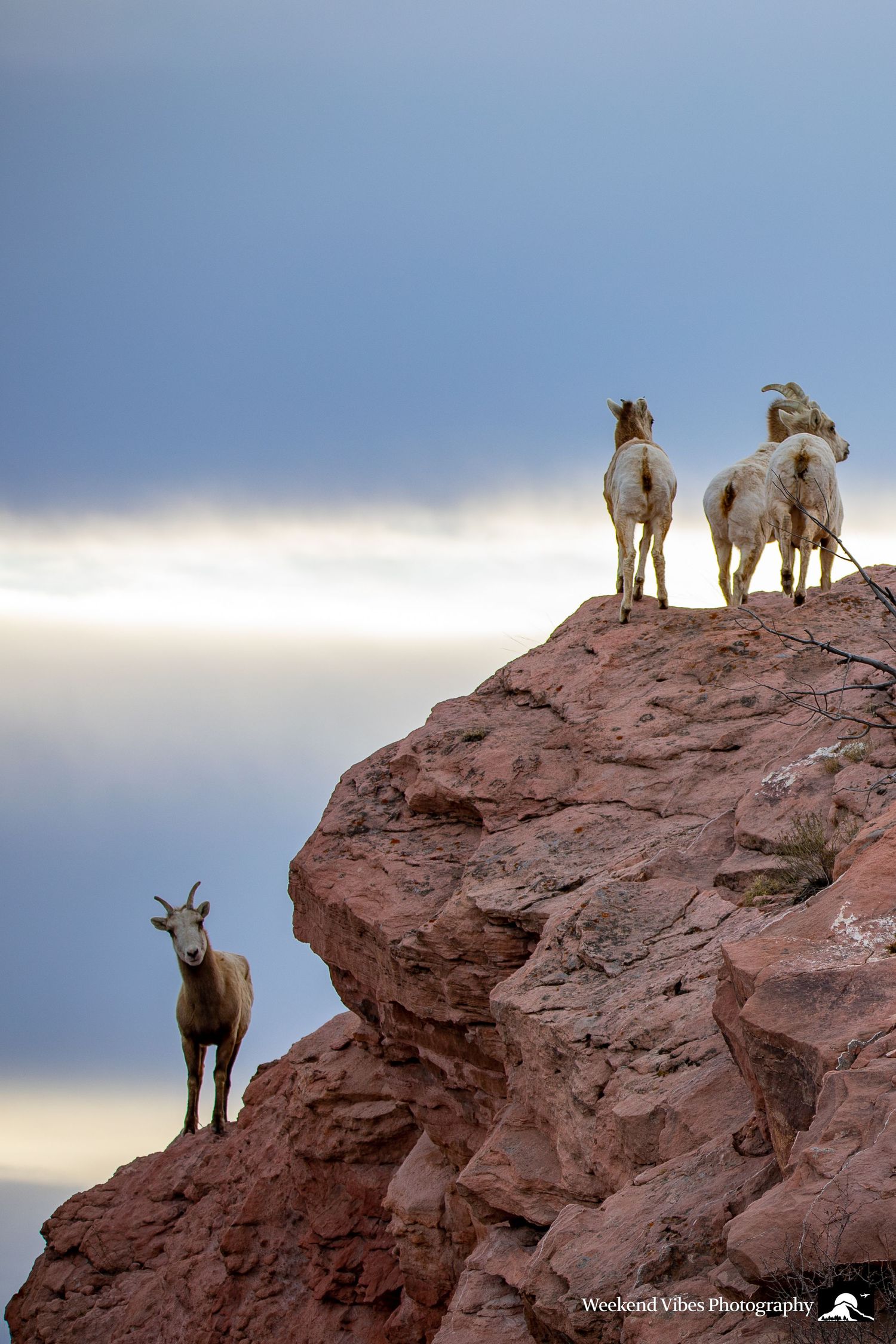
Bighorn Sheep are a Colorado state treasure.
They are fascinating to watch as they move with ease around steep rock cliffs and tricky terrain. The sound of their ramming is truly awesome and I hope you're able to witness it at some point if you haven't yet! If you have, you know exactly what I mean!
Keep your eyes open for these guys when driving through steep, rocky, mountain terrain. You'll most likely catch a glimpse of that white butt first!
Thanks for reading and checking out our blog, I'll leave you with our finest photo yet!